
Atoll profile
BaaBaa Atoll.
A UNESCO Biosphere Reserve where the world's largest reef manta aggregations gather each monsoon season at Hanifaru Bay.
- Islands75
- Inhabited13
- Resort islands16
- From MLE110-130 km
- TransferSeaplane30-40 min
At a glance
Hanifaru Bay — the largest known seasonal manta ray aggregation on Earth, and a whale-shark feeding site..
Best for
Getting here
Character
Ideal stay
Protected status
For non-divers
Pairs well with
Raa AtollDestination brief
A guide to Baa Atoll.
Baa Atoll sits in the western Maldives around 120 kilometres north of Male, a triple-lobed formation of three natural atolls (Southern Maalhosmadulu, Fasdutheree and Goifulhafehendhu) spanning 1,127 square kilometres of lagoon and 105 coral reefs. In June 2011, UNESCO inscribed the atoll as the country's only Biosphere Reserve, recognising a cluster of nine core conservation zones that includes Hanifaru Bay, Olhugiri (one of only two great frigatebird nesting sites in the Maldives) and Angafaru. Between May and November, the southwest monsoon drives nutrient-rich water across the outer reefs and, on spring tides, funnels zooplankton into Hanifaru Bay, triggering mass feeding aggregations of reef manta rays that have been recorded on more than 65 occasions at 100-plus individuals, with five documented events exceeding 200 animals in a single day. Beyond the mantas, the atoll's thilas (submerged pinnacles) Dhonfanu and Nelivaru transform into cleaning stations through the same season, drawing divers to a predictable calendar of encounters no other atoll can match.
Culturally, the inhabited island of Thulhaadhoo remains the only place in the Maldives where liyelaa jehun, the traditional art of lathe-turned lacquerwork, is still practised by craft families. The resort landscape reads like a luxury directory: Soneva Fushi, Four Seasons Landaa Giraavaru, Anantara Kihavah, Milaidhoo, The Nautilus and Vakkaru operate alongside Amilla, Dusit Thani and The Westin Miriandhoo, most accessed by a 30-minute seaplane from Velana International or a 20-minute domestic hop to Dharavandhoo Airport. Baa suits travellers who want a specific wildlife calendar, a conservation-minded stay, and a choice of some of the country's most design-forward resorts without sacrificing proximity to the airport.
Hanifaru Bay holds the record for the largest documented reef manta ray feeding aggregation in the world. Researchers with the Manta Trust have logged more than 65 events of 100-plus mantas and five events of over 200 animals feeding in a bay smaller than a football pitch, made possible by a back-eddy current that concentrates zooplankton during southwest-monsoon spring tides.
Field notes
What's here.
Dive sites06
- 01
Hanifaru Bay
snorkel-only MPA
- 02
Dhonfanu Thila
- 03
Nelivaru Haa
- 04
Dharavandhoo Thila
- 05
Maaddoo Corner
- 06
Dhigali Haa
Horubadhoo Thila
Marine life05
- 01
Reef manta feeding aggregations at Hanifaru Bay
Jun-Nov
- 02
Whale sharks at Hanifaru on spring tides
peak Jul-Oct
- 03
Seasonal manta cleaning stations on Dhonfanu and Nelivaru thilas
- 04
Hawksbill and green turtle nesting on protected islets
- 05
Great frigatebirds perching at Olhugiri
When to go
Marine-life calendar.
Best visibility
Dec–Apr
Reef manta
Jun–Nov · Hanifaru Bay, peak Aug–Oct, snorkel-only
Whale shark
Jun–Nov · Hanifaru feeding, snorkel-only
May-November (manta and whale shark feeding season), December-April (calm seas, best visibility) Hanifaru Bay is a strictly regulated Marine Protected Area: snorkelling only (no scuba since 2012), a rolling cap of around 80-100 visitors and a maximum of five non-ranger vessels in the bay at any time. The feeding phenomenon peaks on the new and full moons of the southwest monsoon (May-Nov), with August and September historically producing the densest aggregations.
Typical windows — encounters vary year to year; not guaranteed.
Dive sites
Where to dive in Baa Atoll.
Thila · beginner
Dharavandhoo Thila
An overhang-and-sea-fan oval thila with a shallow top good for longer, easier dives and seasonal mantas.
Thila · advanced
Dhigali Haa
A protected signature Baa thila — dramatic overhangs and big fish schools.
Thila · advanced
Dhonfanu Thila
A deep swim-through (27 m to 18 m) plus a manta cleaning point — a more advanced Baa dive.
Snorkel · beginner
Hanifaru Bay
One of the world's largest manta feeding aggregations — a surface cyclone-feeding spectacle. Snorkel-only.
Thila · intermediate
Nelivaru Haa
Star-shaped canyons and overhangs that fill with shimmering glassfish, plus seasonal mantas.
Curious what you'll meet underwater? Browse the Maldives marine-life guide.
Accommodation Collection
17 Resorts in Baa Atoll.
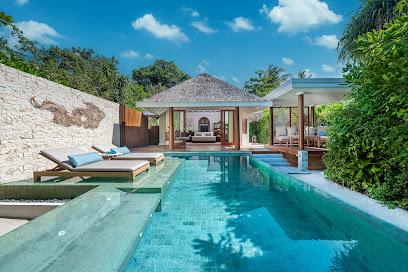

Anantara Kihavah Maldives Villas
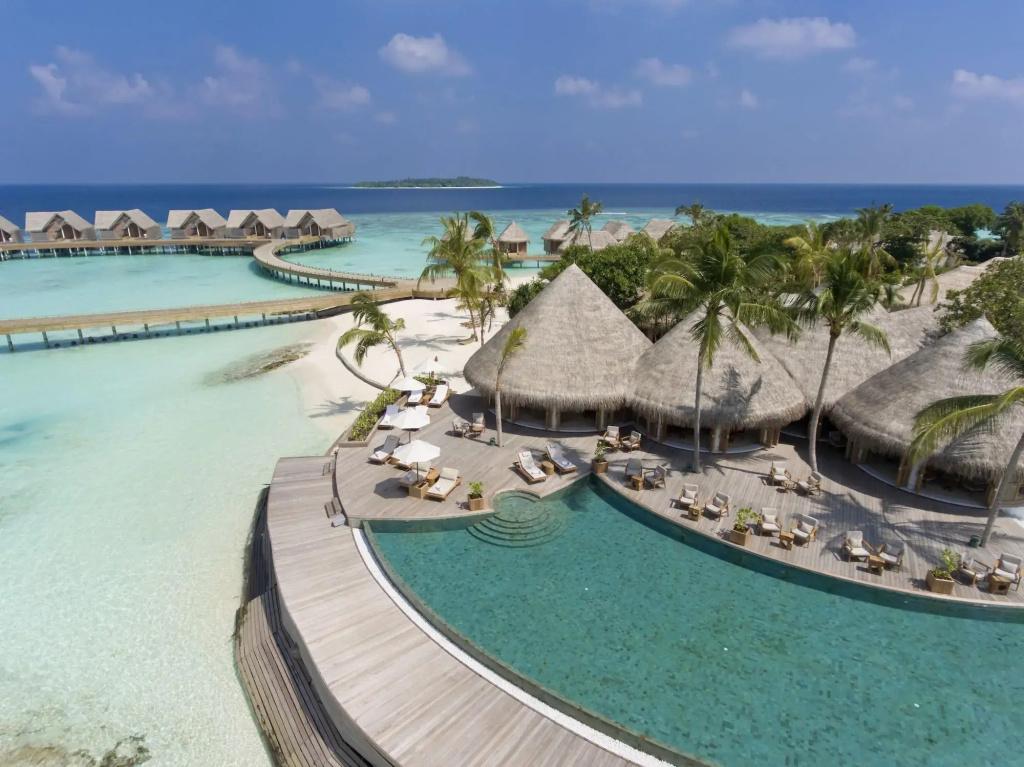

Milaidhoo Maldives
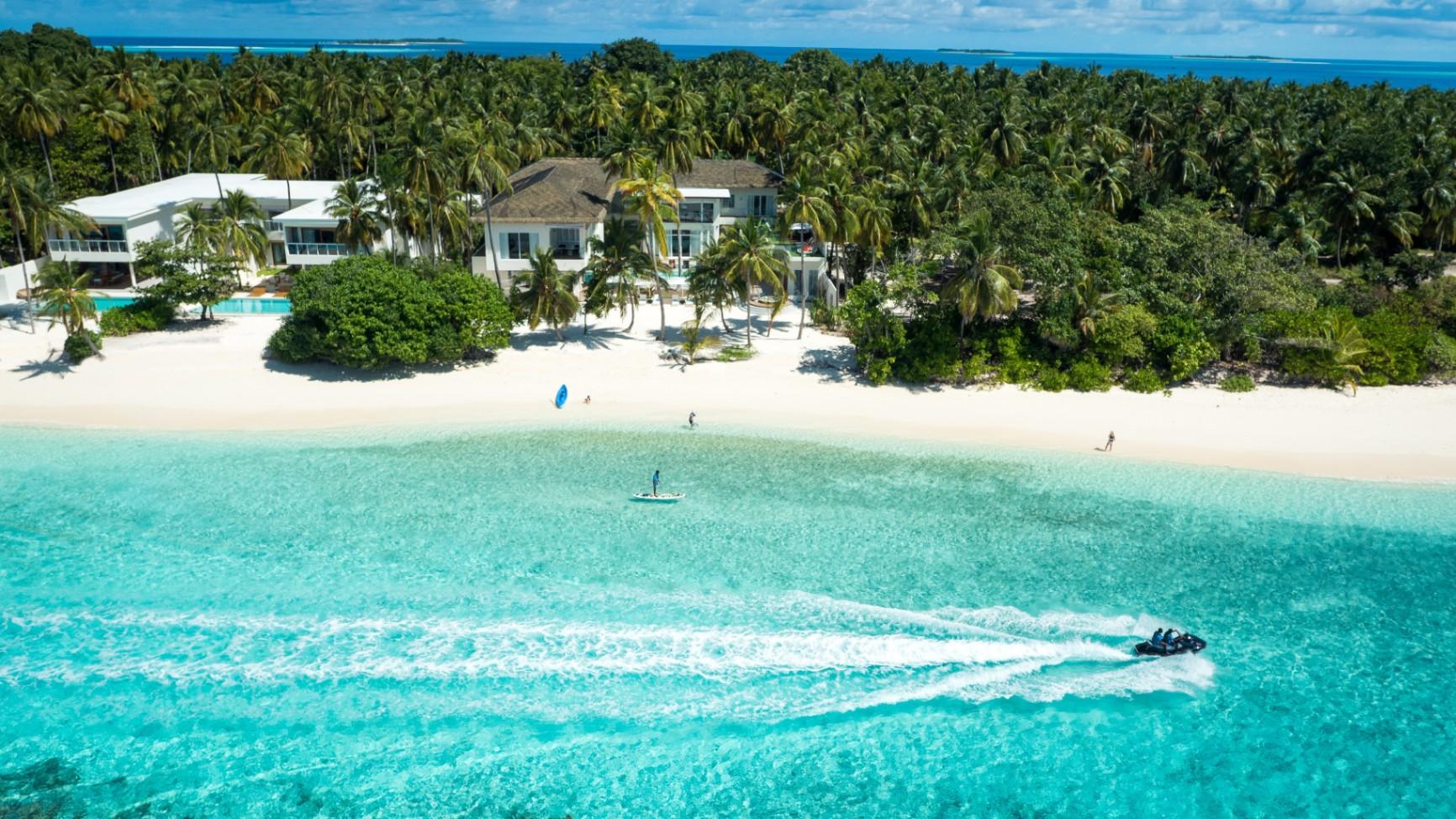

Amilla Maldives
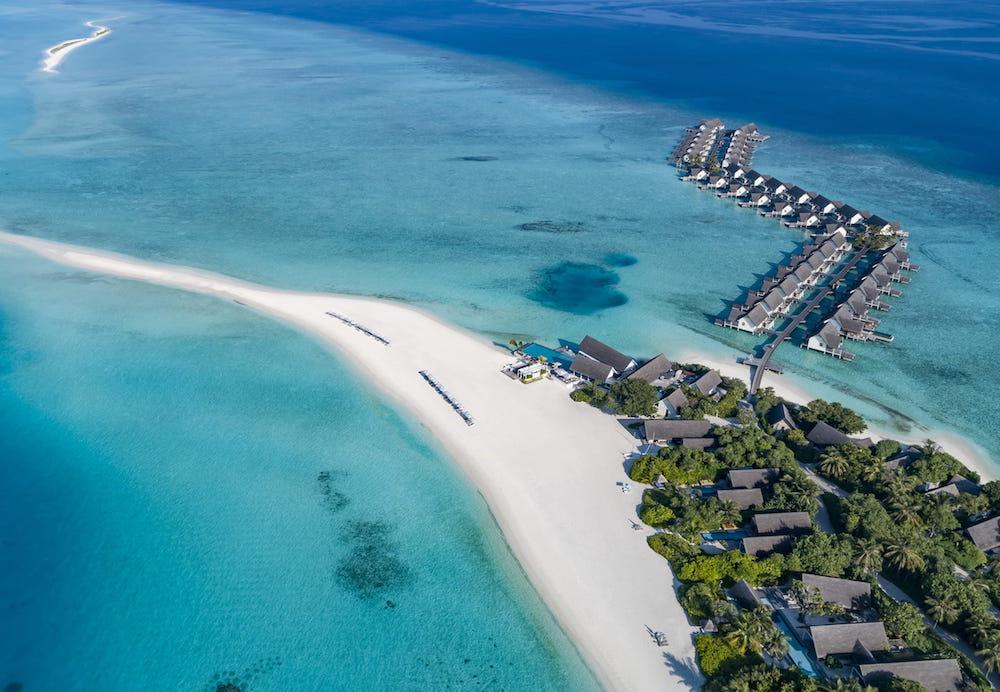

Four Seasons Resort Maldives at Landaa Giraavaru
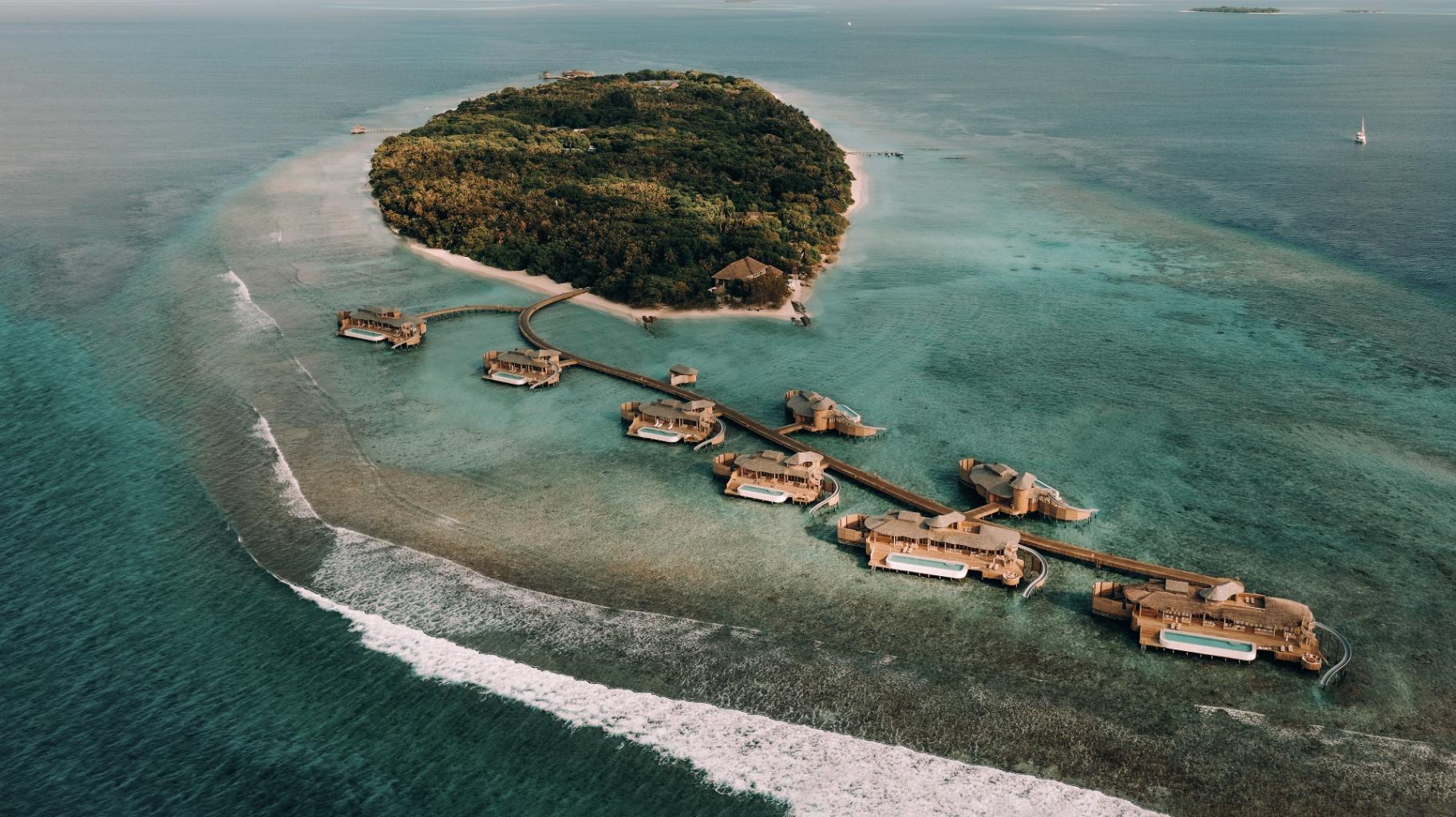

Soneva Fushi
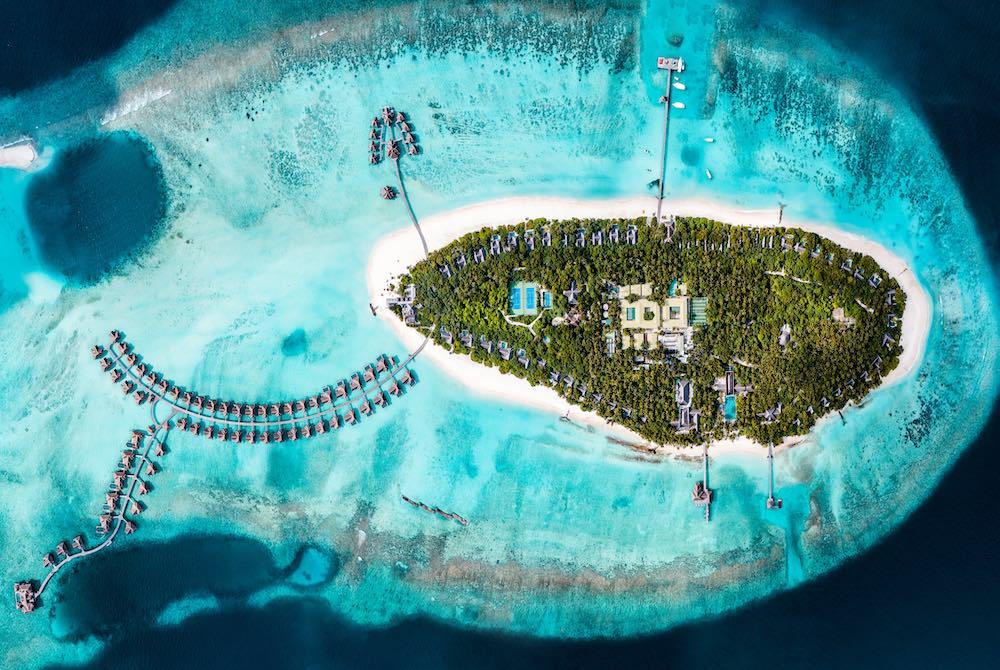

Vakkaru Maldives
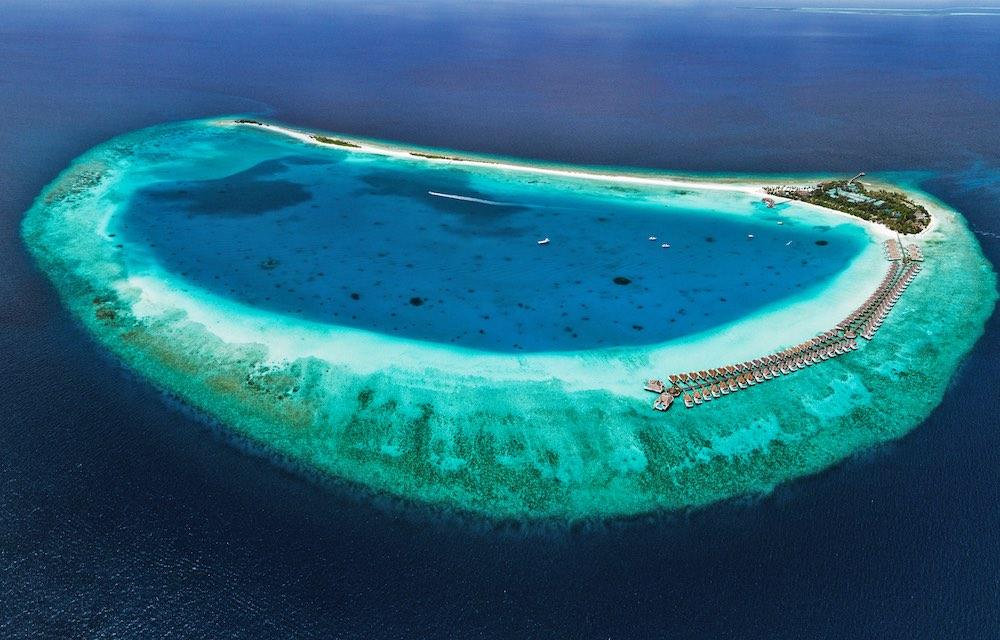

Finolhu, a Seaside Collection Resort


Royal Island Resort & Spa
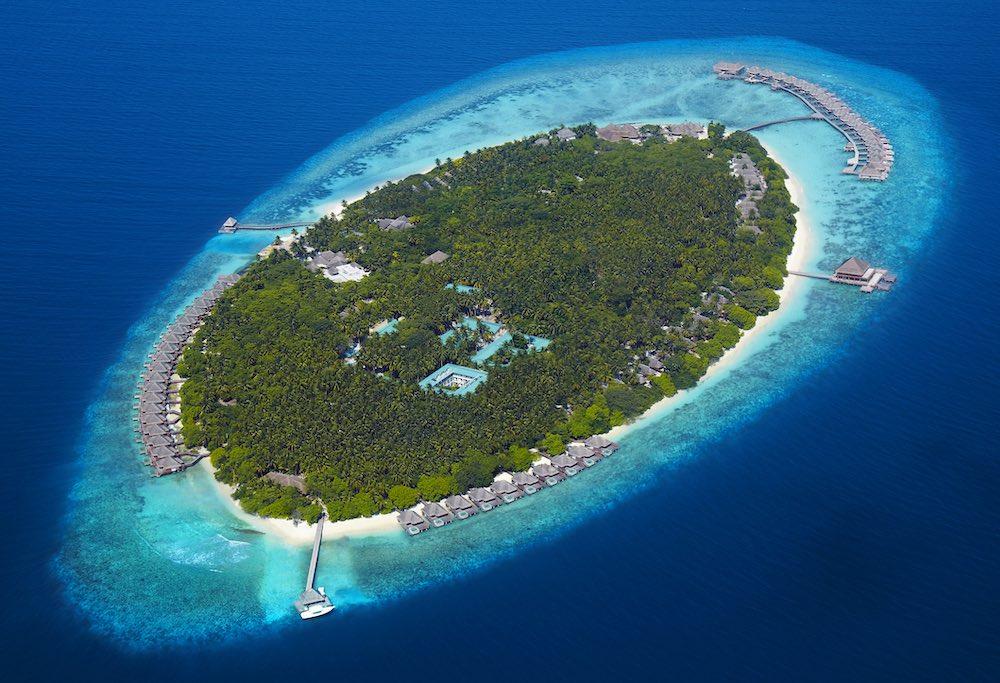

Dusit Thani Maldives
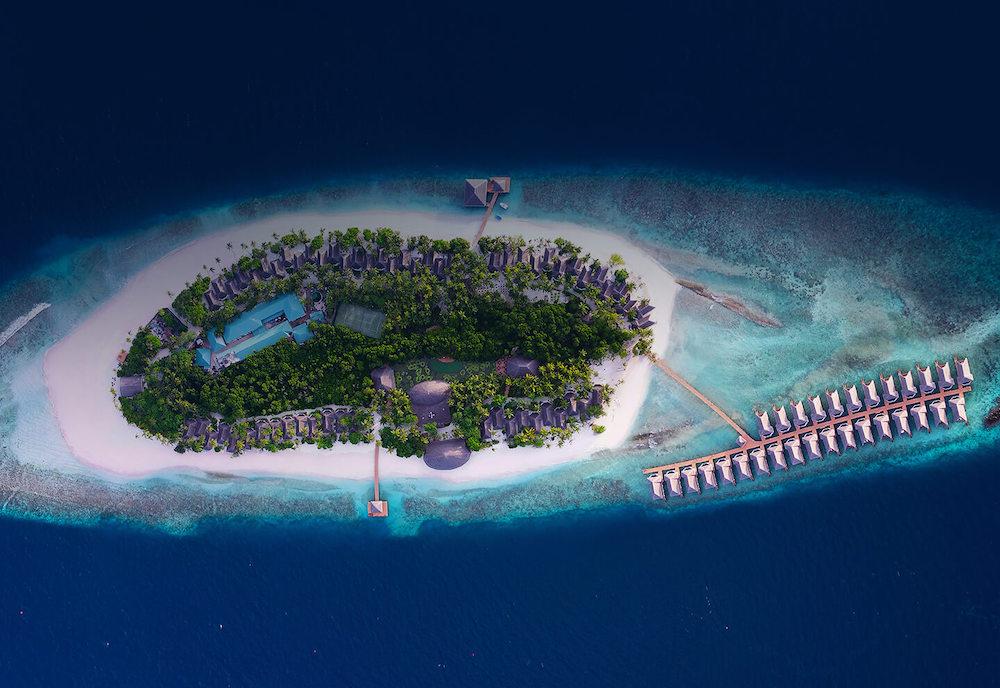

Dreamland Maldives
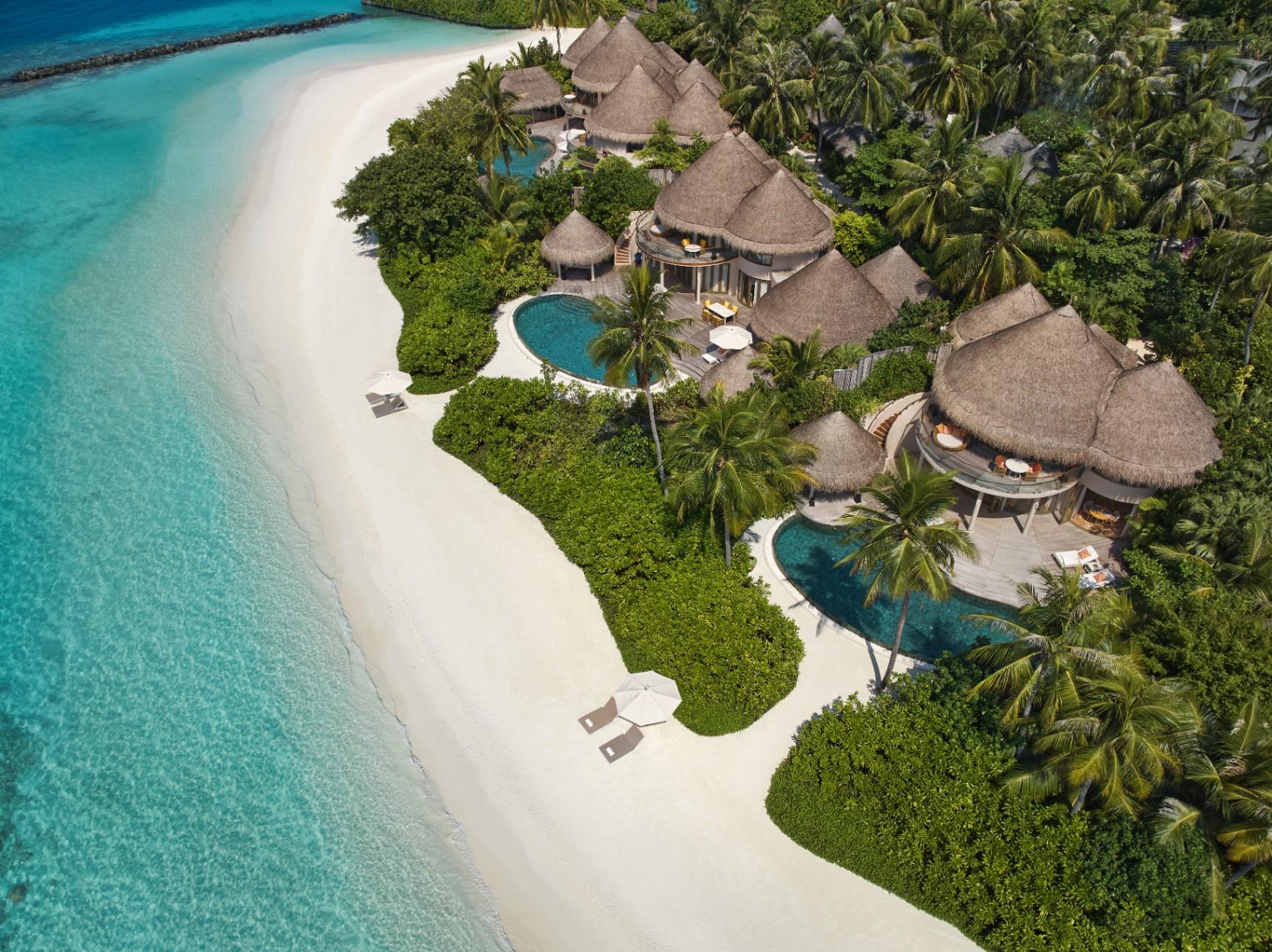

The Nautilus Maldives
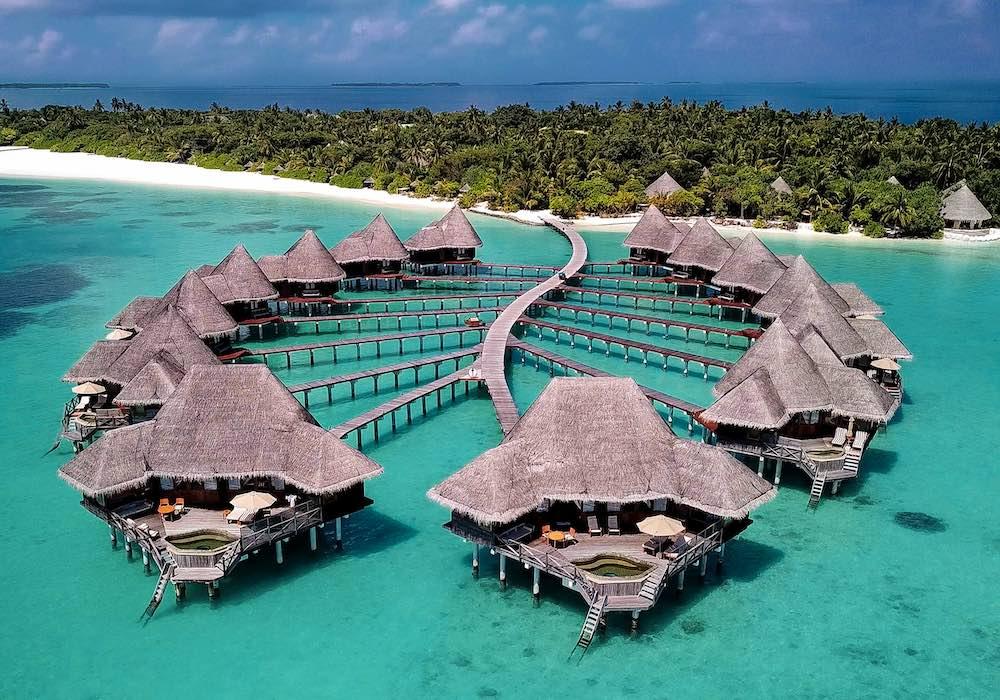

Coco Palm Dhuni Kolhu
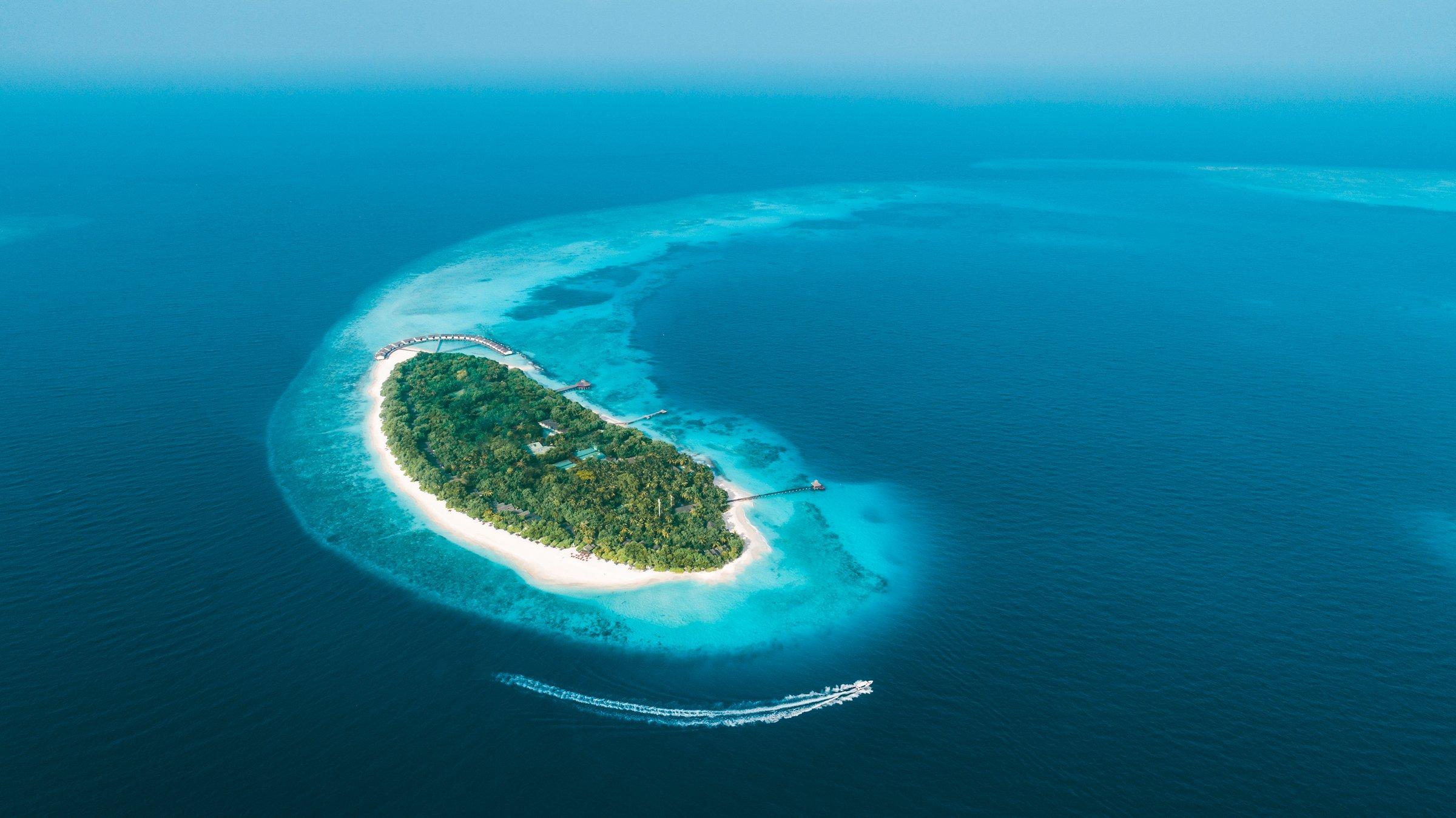

NH Collection Maldives Reethi Resort
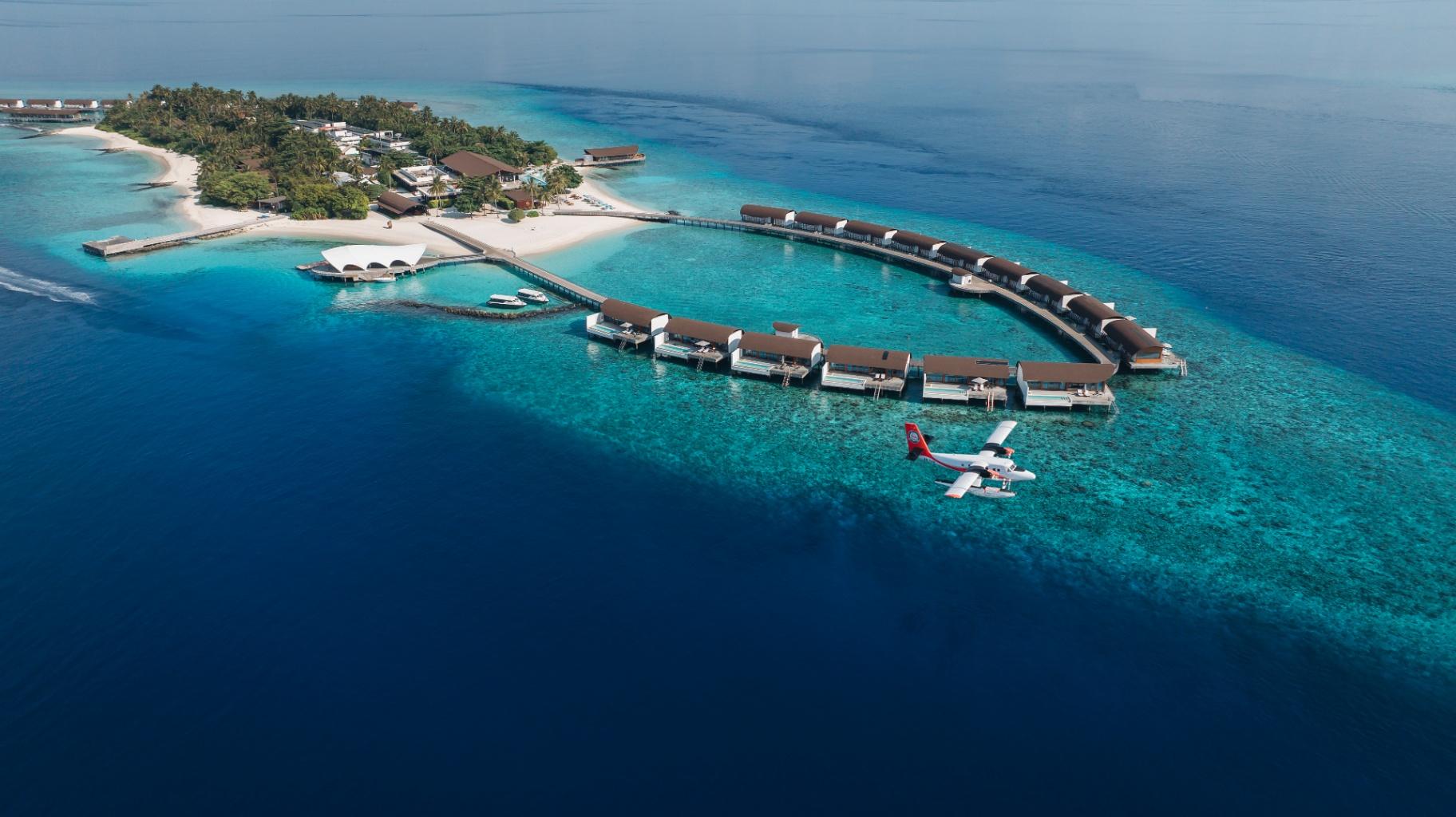

The Westin Maldives Miriandhoo Resort
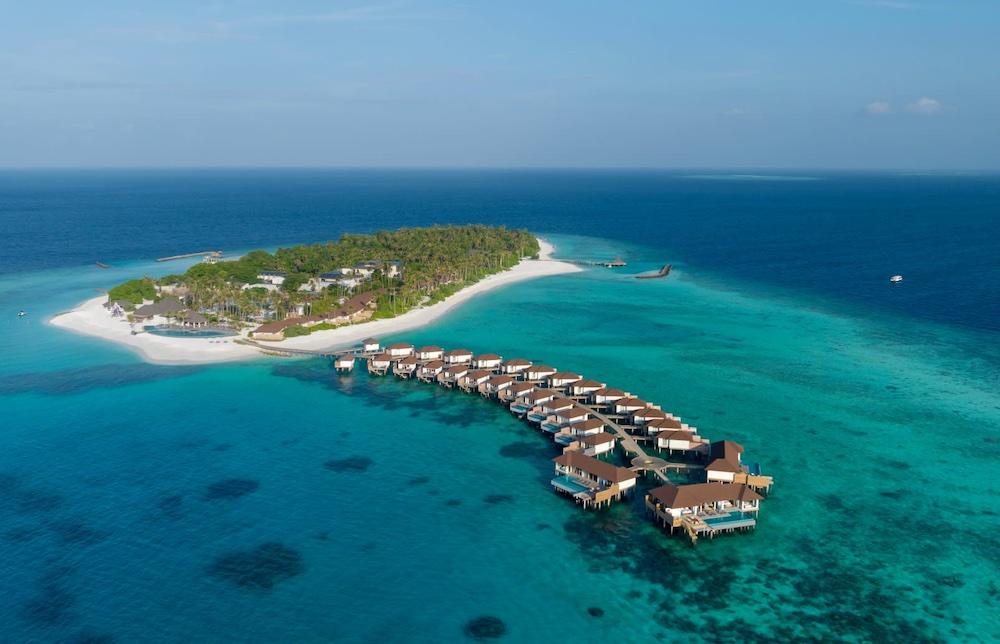

Avani+ Fares Maldives Resort
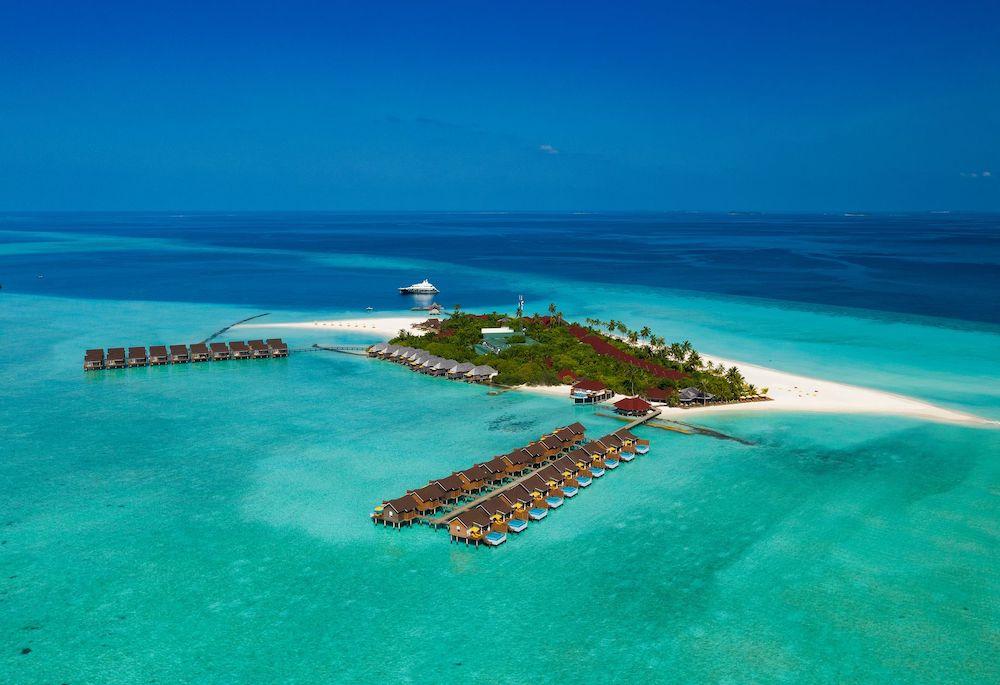

Dhigufaru Island Resort
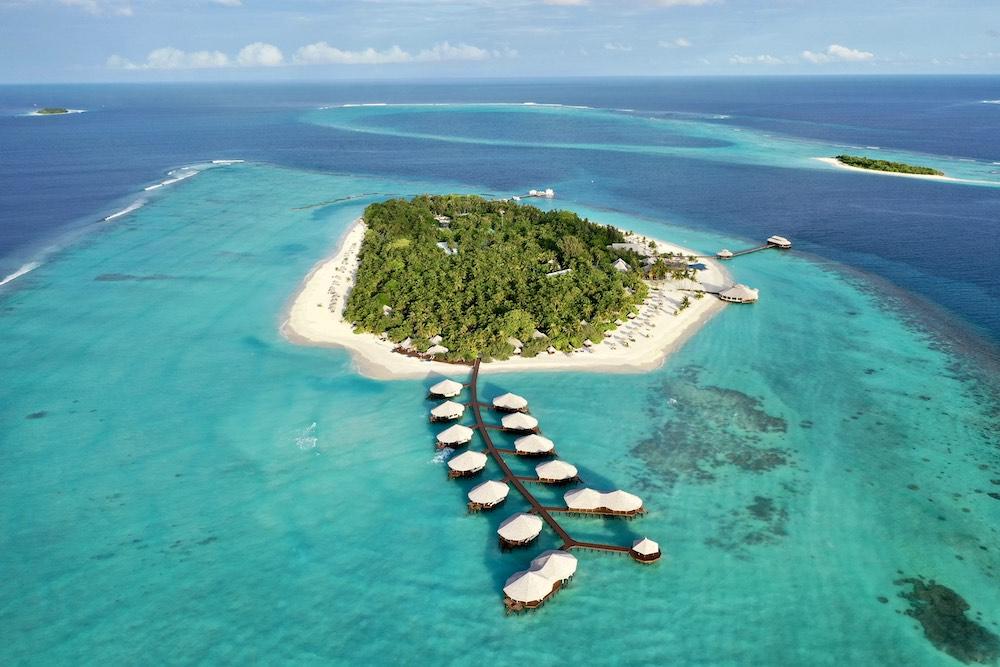

Kihaa Maldives
Frequently Asked
Planning a trip to Baa Atoll.
How do I get to Baa Atoll?
Baa Atoll sits approximately 110-130 km north of Male from Velana International Airport (Malé). The standard transfer is Seaplane (30-40 min) or domestic flight to Dharavandhoo (20 min) + speedboat. Your resort or guesthouse will typically arrange the transfer as part of your booking.
What is the best time to visit Baa Atoll?
May-November (manta and whale shark feeding season), December-April (calm seas, best visibility). Hanifaru Bay is a strictly regulated Marine Protected Area: snorkelling only (no scuba since 2012), a rolling cap of around 80-100 visitors and a maximum of five non-ranger vessels in the bay at any time. The feeding phenomenon peaks on the new and full moons of the southwest monsoon (May-Nov), with August and September historically producing the densest aggregations.
How many resorts and guesthouses are in Baa Atoll?
We currently list 76 properties in Baa Atoll on Resortlife. The atoll has roughly 16 resort islands in total, with options ranging from intimate guesthouses on local islands to ultra-luxury overwater resorts.
Which are the best resorts in Baa Atoll?
Notable properties include Soneva Fushi, Four Seasons Resort Maldives at Landaa Giraavaru, Anantara Kihavah Maldives Villas, The Nautilus Maldives, Milaidhoo Maldives. Which resort suits you depends on travel style — honeymoon, family, dive-focused, or budget-conscious — our specialists can match you to the right island.
What is the diving and marine life like in Baa Atoll?
Key dive sites include Hanifaru Bay (snorkel-only MPA), Dhonfanu Thila, Nelivaru Haa, Dharavandhoo Thila. Highlights: Reef manta feeding aggregations at Hanifaru Bay (Jun-Nov); Whale sharks at Hanifaru on spring tides (peak Jul-Oct); Seasonal manta cleaning stations on Dhonfanu and Nelivaru thilas. Most resorts operate PADI-certified dive centres with daily boat dives and house-reef snorkelling.
What makes Baa Atoll unique compared to other Maldives atolls?
Hanifaru Bay holds the record for the largest documented reef manta ray feeding aggregation in the world. Researchers with the Manta Trust have logged more than 65 events of 100-plus mantas and five events of over 200 animals feeding in a bay smaller than a football pitch, made possible by a back-eddy current that concentrates zooplankton during southwest-monsoon spring tides.
Keep exploring
More Maldives atolls.
For travel trade
Quote Baa Atoll with confidence.
Contracted net rates, multilingual GROs at Velana, charter-flight coordination and 24/7 partner support.