
Instantly recognisable for its scalloped, wing-shaped head, this shark forms some of the ocean's most spectacular schools — sometimes hundreds strong — around seamounts. The wide "hammer" spreads electroreceptors for detecting buried prey and gives near-360° vision. In the Maldives it is a deep, dawn-channel prize for experienced divers.
- Size
- ~3.5–4.3 m
- Weight
- Commonly ~80–100 kg; max ~150 kg.
- Diet
- Bony fishes and cephalopods, plus crustaceans, smaller sharks and rays.
- Lifespan
- ~20–30 years (max ~35).
- Depth
- Surface to ~1,000+ m; schools gather in cooler, deeper water by day.
- Reproduction
- Live-bearing; large litters of ~15–31 pups after ~12-month gestation.
- Snorkel or dive
- Dive only — advanced (deep, dawn)
- Best season
- Rasdhoo peak Dec–Mar; Fuvahmulah more year-round
- Conservation
- Critically Endangered
How to recognise it
Wide flattened hammer head with a scalloped/notched front margin.
Behaviour in the wild
Often schools in deeper water by day; rises toward dawn; shy of divers' bubbles.
Where to see it in the Maldives
Rasdhoo Atoll (pre-dawn Hammerhead Point) and Fuvahmulah in the deep south.
Visual field notes
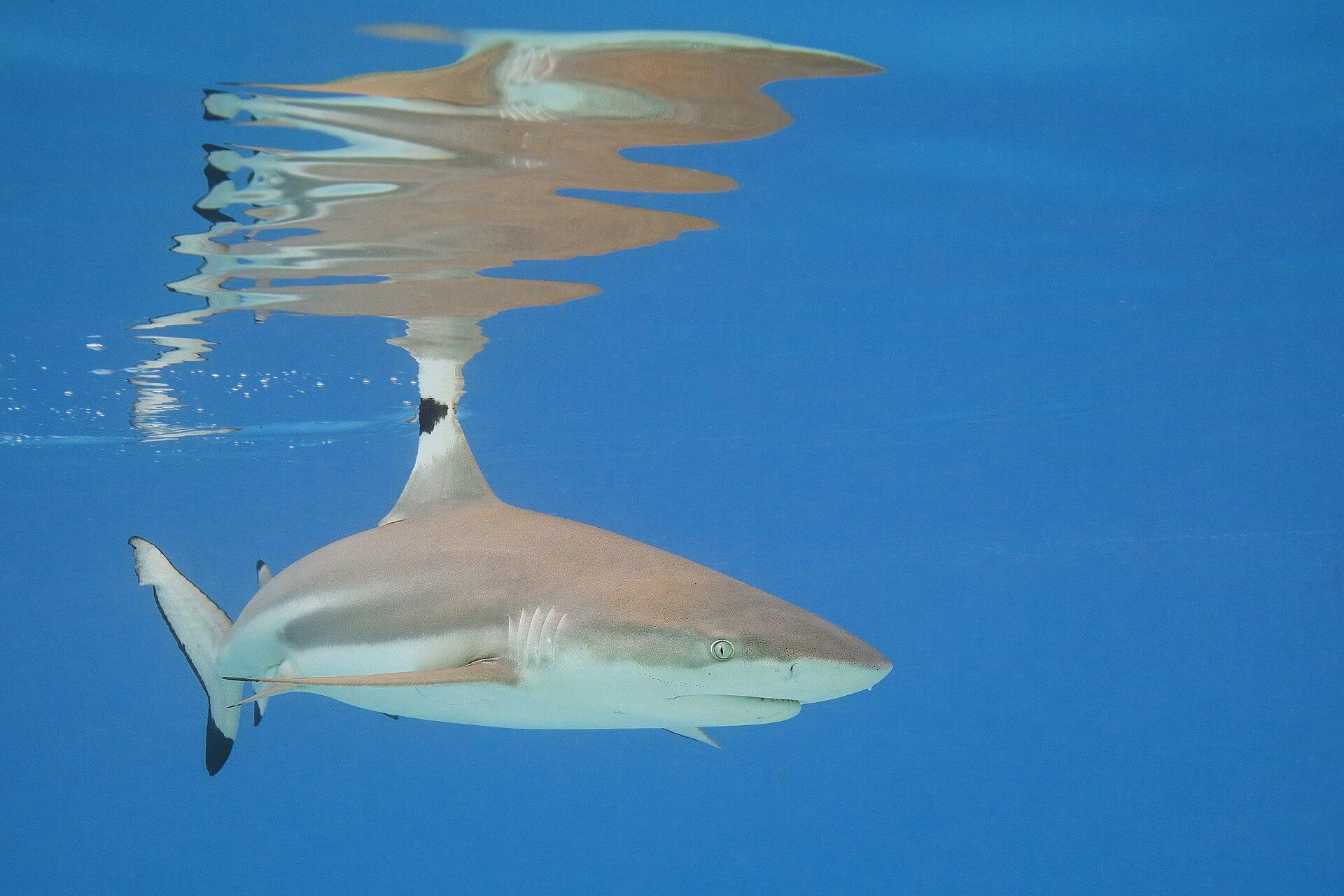
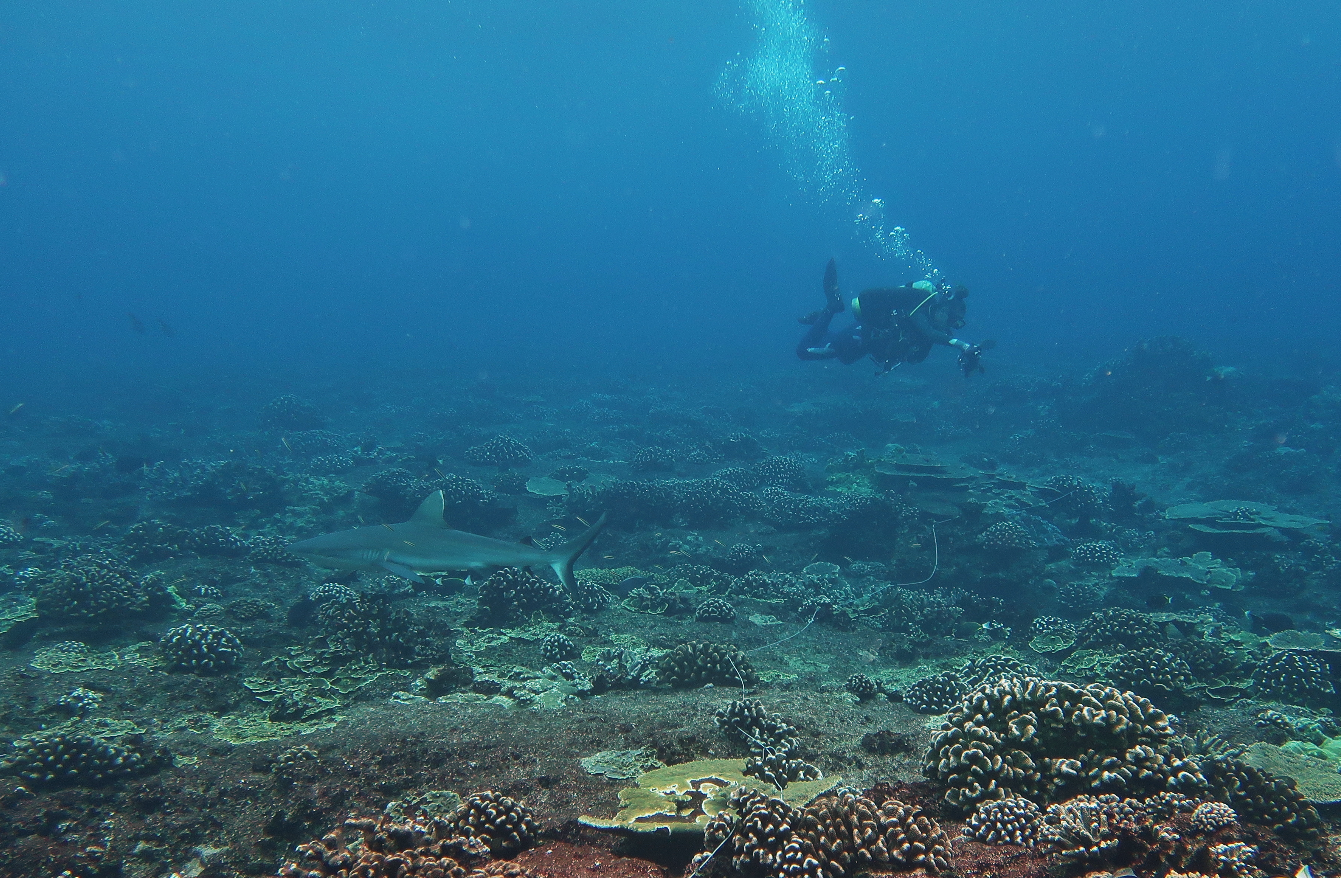
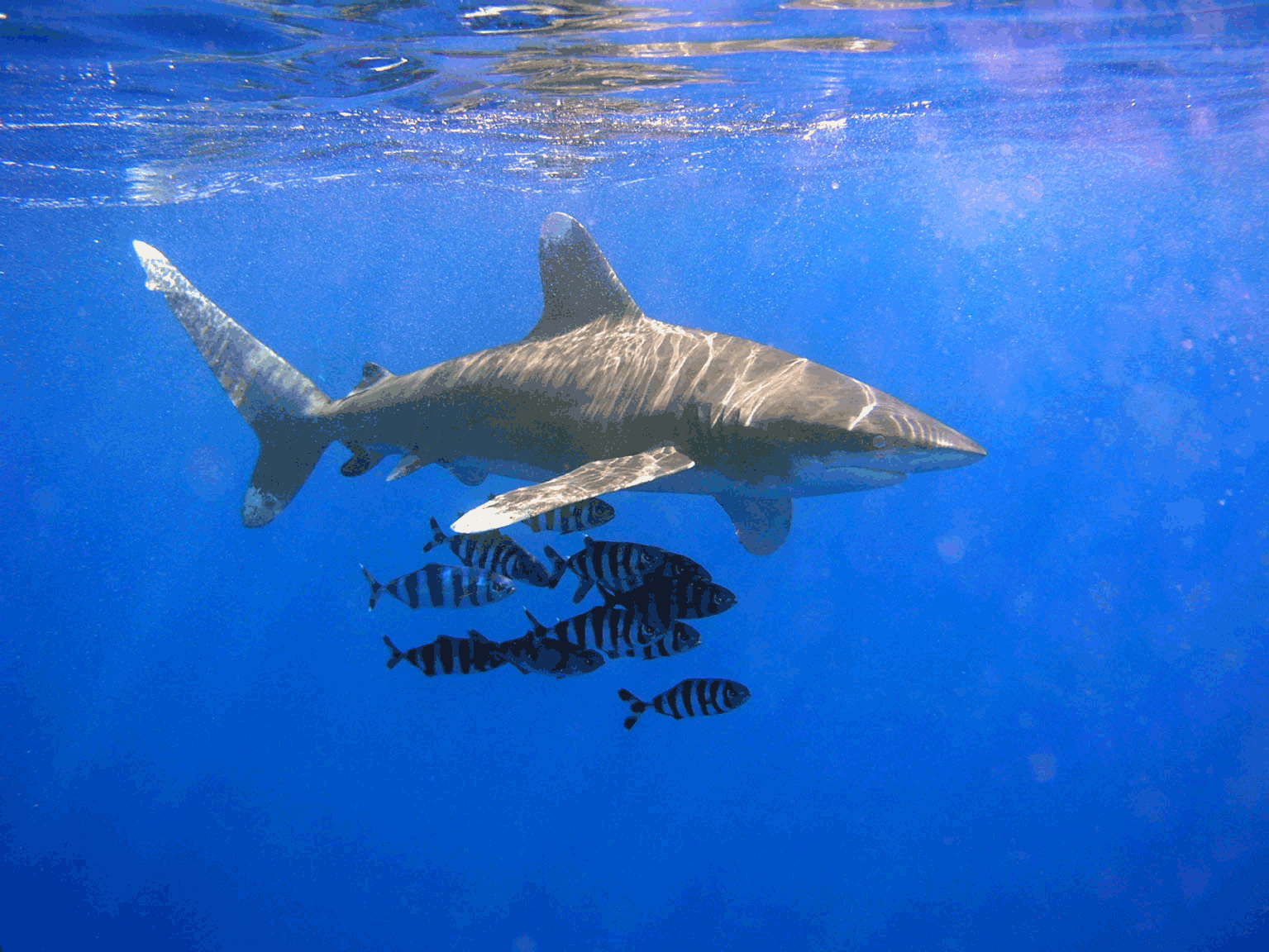
See scalloped hammerhead from more than one angle.
3 human-reviewed photographs chosen for identity, habitat and behaviour.
01 · Field portrait · Species reference
PhotoDiego DelsoCC BY-SA 4.0web-adapted
02 · Identification · Species reference
PhotoKris Mikael KristerCC BY 3.0web-adapted
03 · Behaviour & scale · Species reference
PhotoDiego DelsoCC BY-SA 4.0web-adapted
Recorded locations
Build a trip from real sighting records.
Atolls
Show 1 more atollsHide extra atolls
Conservation context
Critically Endangered — devastated by the fin trade; juveniles hit hard in coastal nurseries.
IUCN · Critically Endangered
Watch responsibly
Stay calm and minimise bubbles (they're shy of scuba exhaust); keep distance and don't split a school.
Field notes
The wide head spreads its electroreceptors over a larger area to detect buried prey.
The hammer is a hydrofoil that aids tight turns and a sensory array that sweeps the seabed like a metal detector.
Collective noun · a shiver of sharks
Profile references
References are shown transparently; profile copy may also include editorial synthesis. Seasons and sightings vary with wild conditions.