
Agency website · US advisors

A travel agency website that starts conversations.

Most advisors do not need a booking engine on day one. They need a site that shows they are real, says what they sell, and makes it easy to ask. This guide covers what a travel agency website needs, three ways to get one, and a checklist for launch.

Anatomy of a travel agency website

5
7
1
3
2
6
  1. 1Who you are
  2. 2What you sell
  3. 3One way to ask
  4. 4On a phone
  5. 5Search basics
  6. 6Privacy
  7. 7Photography

I

What the site needs.

  1. 1

    Who you areYour name, a real photo, your story, where you are based and how to reach you. People send deposits to someone they can picture. Where your state requires a seller-of-travel registration number, show it.

  2. 2

    What you sellPick a lane: honeymoons, luxury long-haul, family trips, groups. A page for each destination you really sell, in your own words, does more for you than a long list of places you only mention.

  3. 3

    One obvious way to askA short enquiry form and a phone number or WhatsApp. Ask for what you need to reply, such as dates, travelers and a budget range, and nothing more. Every extra field makes the form a little harder to finish.

  4. 4

    A site that works on a phoneMany visitors arrive from a social post or a message, on a phone. Open your own site there first and tap every button.

  5. 5

    Search basicsA distinct title and description on every page, headings that say what the page covers, and real content on each destination page. Thin pages that repeat each other do not help you.

  6. 6

    Privacy and consentA privacy policy, and a consent banner before you load analytics or ad pixels. Privacy laws such as California's CCPA can apply depending on who visits and how large you are. Ask a lawyer what applies to you.

  7. 7

    Photography you may useDo not copy resort photos from other websites. Use your own, your supplier's licensed material, or stock you have paid for.
II

Three ways to get one.

Spotlight
TopicWebsite builder and templateCustom buildWhite label travel site
What you getA general-purpose site you shape yourselfA site designed and built for youA travel-specific site with a destination catalog already in it
Travel contentYou write and photograph all of itYou or the developer provide itOur Maldives catalog, plus your own pages and packages
EnquiriesA form you add and connect yourselfWhatever the build includesAn enquiry form and inbox, alerts to your team and a thank-you email in your name
Your effortHighest: you build it and you maintain itA brief and reviews, then maintenanceChoose a look and press publish; our team sets up the workspace
FlexibilityVery highHighestA fixed structure with a wide choice of look and wording
Best whenYou have time and want full controlYou have a budget and a specific brand ideaYou want to sell the Maldives soon, under your own name

A white label site is narrower than a custom build. It is made for presenting a destination catalog and collecting enquiries, not for running a checkout.

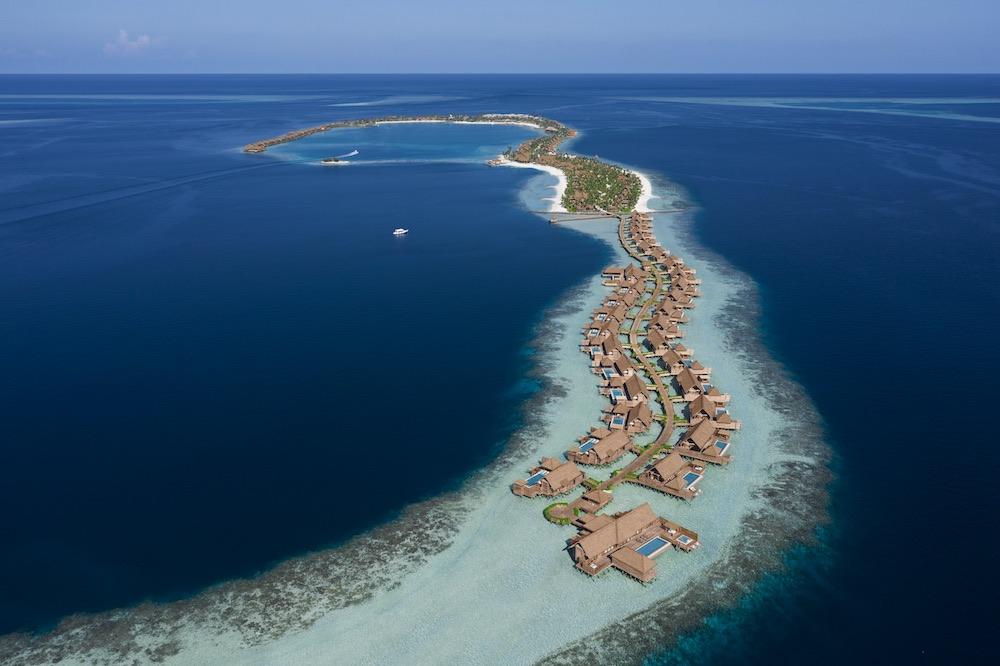
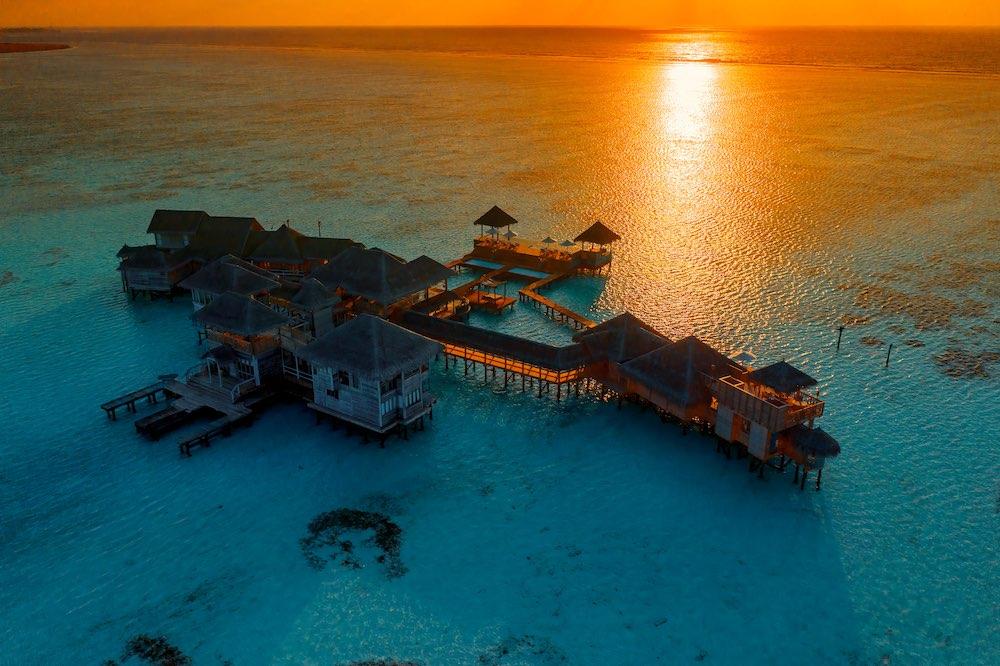
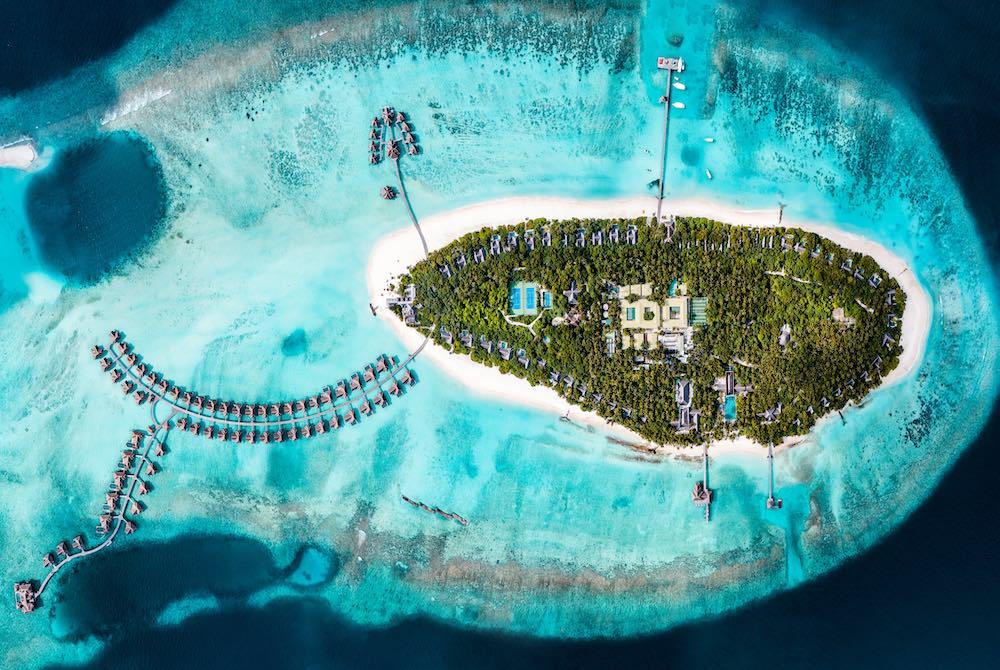
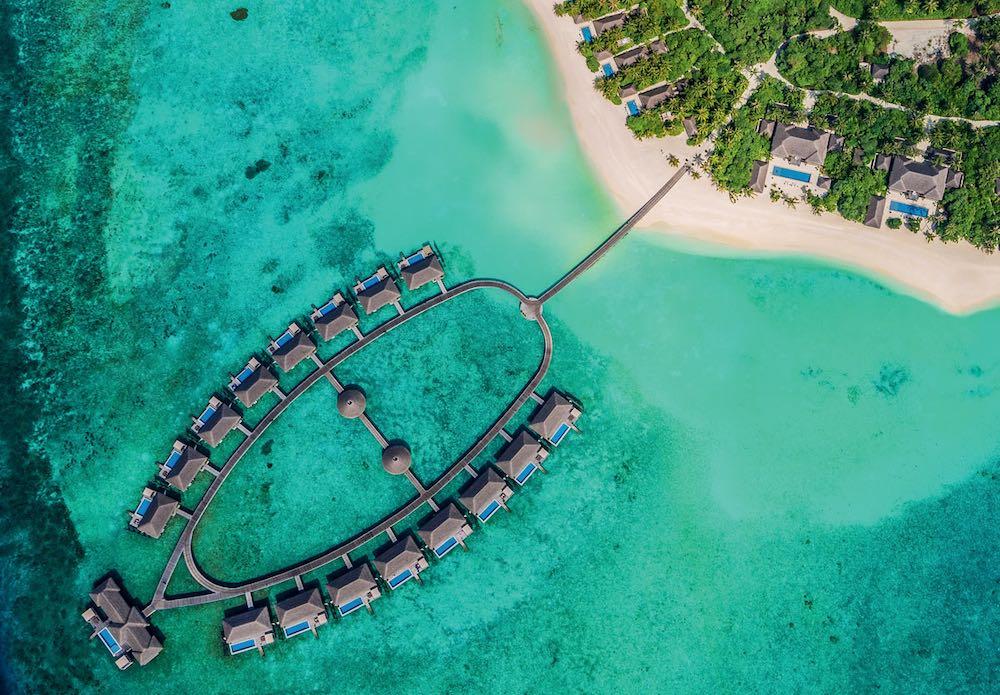
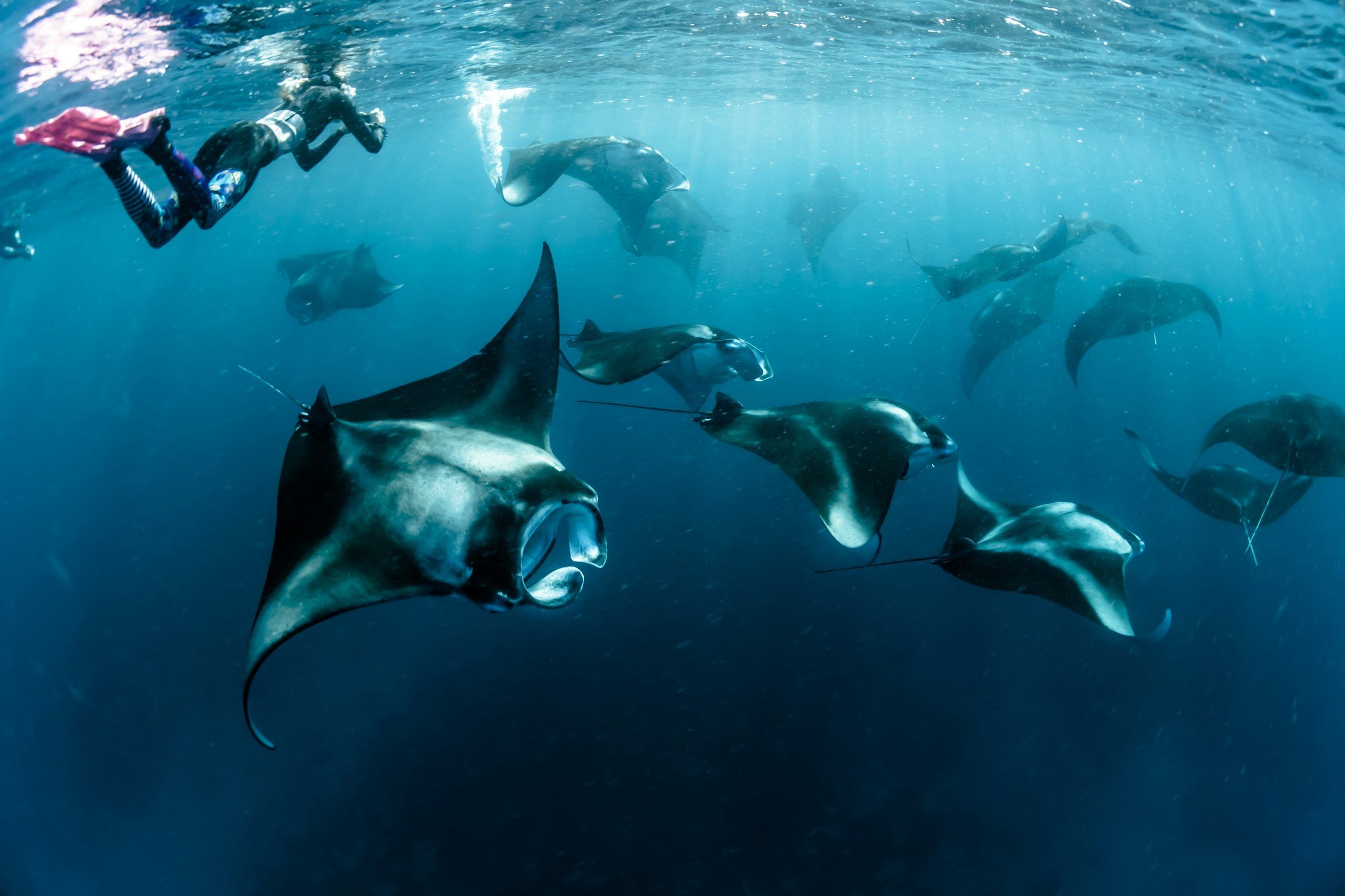
An aerial view of the Maldives

The first page a client trusts.

Real photography · one clear way to ask

III

Where a white label site fits.

A white label travel site gives you the parts that take longest to build yourself: destination pages with photographs, villa types and transfer details, an enquiry inbox, and a tracking setup that waits for consent. You supply the brand, the colors, the language and the trips only you sell.

  • Your name and your own domain, or a free address on resortlife.travel while you decide.

  • Up to 24 resorts featured from our catalog.

  • Your own packages for any destination on the Growth and Pro plans.

  • Site wording in English, Arabic, Russian, German, Italian or Polish.

The full list is in our white label travel agency guide. The brand lab lets you type your agency's name and see the site built around it.

IV

A launch checklist.

0 of 10 done.

10 to go · saved in this browser

Questions

Good to know.

Do I need a website to be a travel agent?

Not to start. Many advisors begin with a social profile and referrals. A website helps clients check you out before they send a deposit, and it gives you a place to collect enquiries that is yours.

How much does a travel agency website cost?

It ranges from a low monthly subscription for a general builder to a larger one-off fee for a custom build, plus your time either way. A white label site on Resortlife is a plan agreed per agency, so we do not publish a figure.

Can I use a free website builder?

Yes, to start. You will write all the content yourself, and you should check that the plan lets you use your own domain and add a consent banner.

What pages does a travel agency website need?

At a minimum: a home page, an about page, one page for each destination or trip type you sell, a contact or enquiry page, a privacy policy and your terms.

Do I need a booking engine?

Not usually at the start. Most advisors quote each trip individually and take payment through their host, their supplier or their own merchant account. If you later want online checkout, you will need a payment provider and the rules that come with it.

How do I get my travel agency website found on Google?

Give every page a distinct title and description, write real content for each destination, make the site fast on a phone, and set up a Google Business Profile if you have a local presence. It takes months, not days.

What domain should I use?

Your agency's name on a .com is the usual choice. With a Resortlife white label site you can start on a free resortlife.travel address and have your own domain connected later.

Start with a site that already knows the Maldives.

Apply for a workspace and we will set up your branded site, or try the brand lab first to see it with your agency's name.

2006
Founded in Malé
180+
Direct resort contracts
24
Featured resorts
6
Site languages
WhatsApp · +960 792 5767

Facts checked October 2026 · Resortlife, Malé