
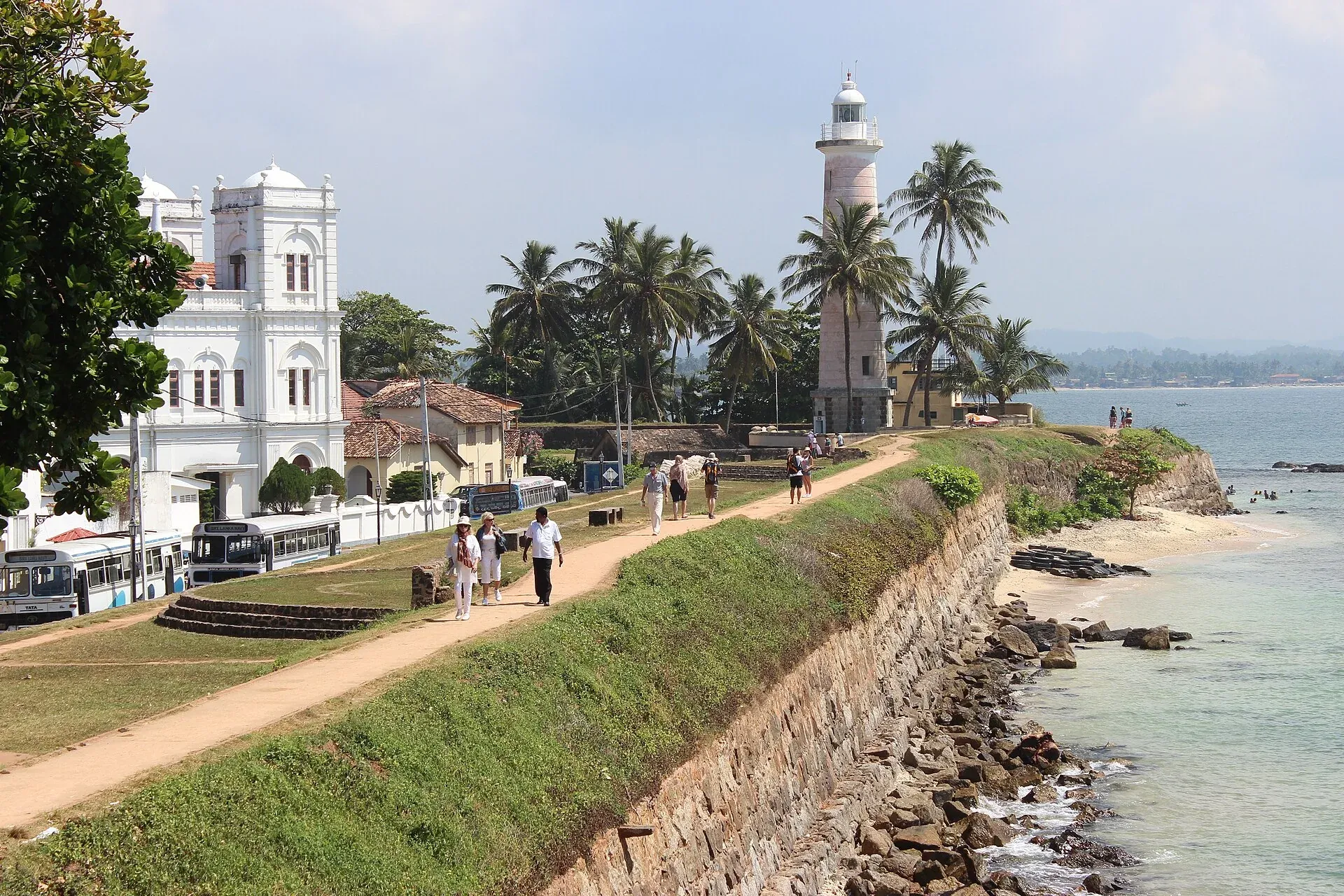
Start inside the fort, reading the street grid, houses and ramparts as parts of one historic urban landscape.
Sri LankaSouth coast
An island, place by place
Galle.
A UNESCO-listed fortified town where streets, sea walls and layered history deserve a slower visit.
Explore the guide6.03° N · 80.22° EPhoto: Grayswoodsurrey · CC BY-SA 4.0 · resized for web (links open in new tabs)
The point of this place
Why go to Galle?
Come for the fort itself, not simply as a name for the surrounding beaches. Stay for the architecture and streets, then choose a separate coast base such as Unawatuna or Hikkaduwa.
UNESCO recognises the fort as an urban ensemble shaped by European fortification and South Asian building traditions. The street grid, shaded verandas and ramparts make sense when explored together. A Galle visit can sit beside a beach holiday, but a nearby Unawatuna or Hikkaduwa hotel belongs to that town, not inside the fort.
01
Walk the fort's ramparts and street grid at a comfortable pace.
02
Read its Dutch-period fabric in the context of earlier and later communities.
03
Pair the visit with a nearby beach town, without confusing the two locations.
Make time for the place
A possible rhythm.
Use this as a starting point and adjust for weather, local access and how you like to travel.
Return at a different hour for the sea walls, then head to a beach base only if you want a change of pace.
Before you set off
The useful details.
01 / When to go
The southwest coast is generally drier from December to April; the fort is rewarding throughout the year.
02 / Getting there
Galle is on the southern coastal road and rail route; local transfers connect to neighbouring beaches.
Inside the fort or on the coast?
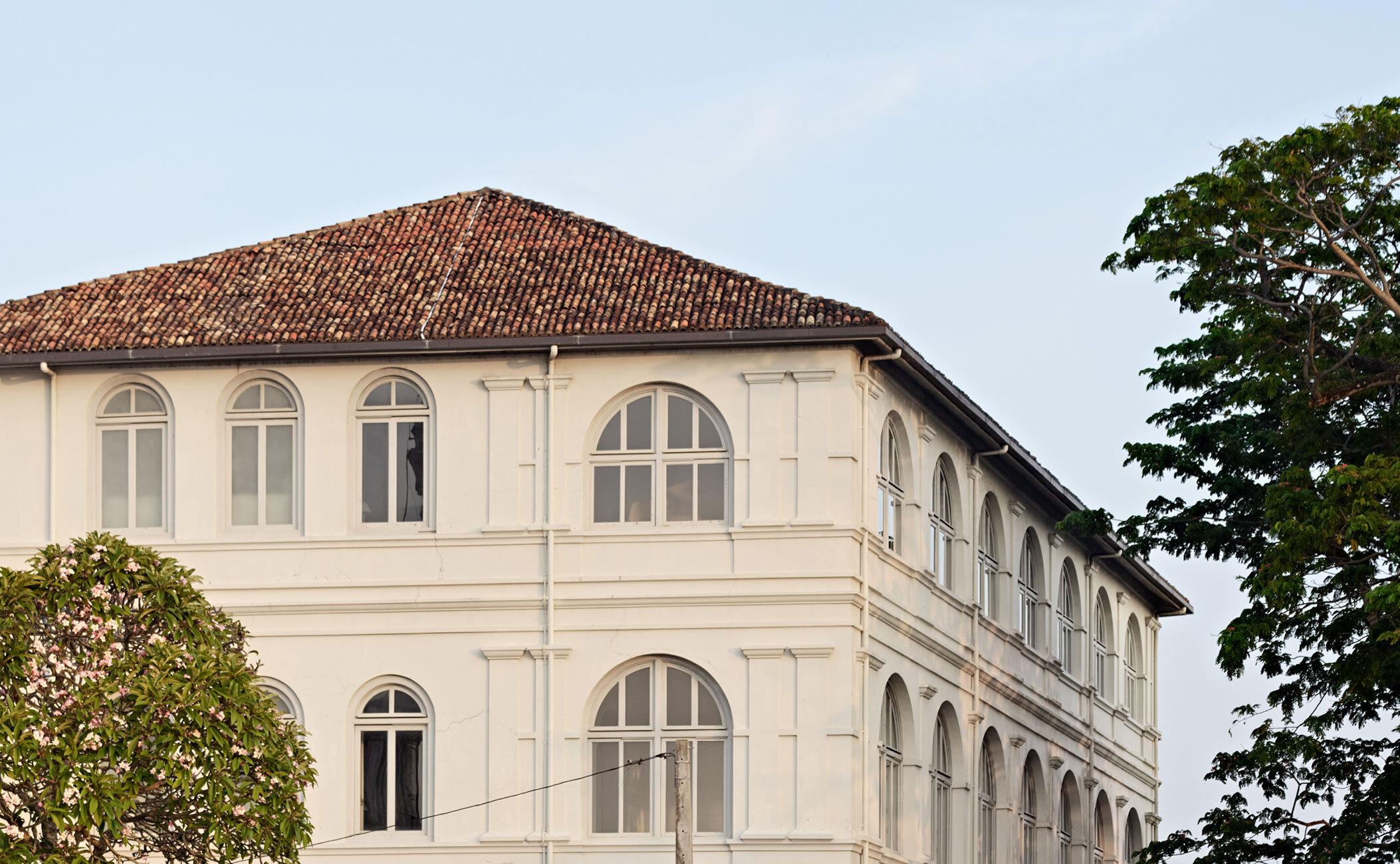
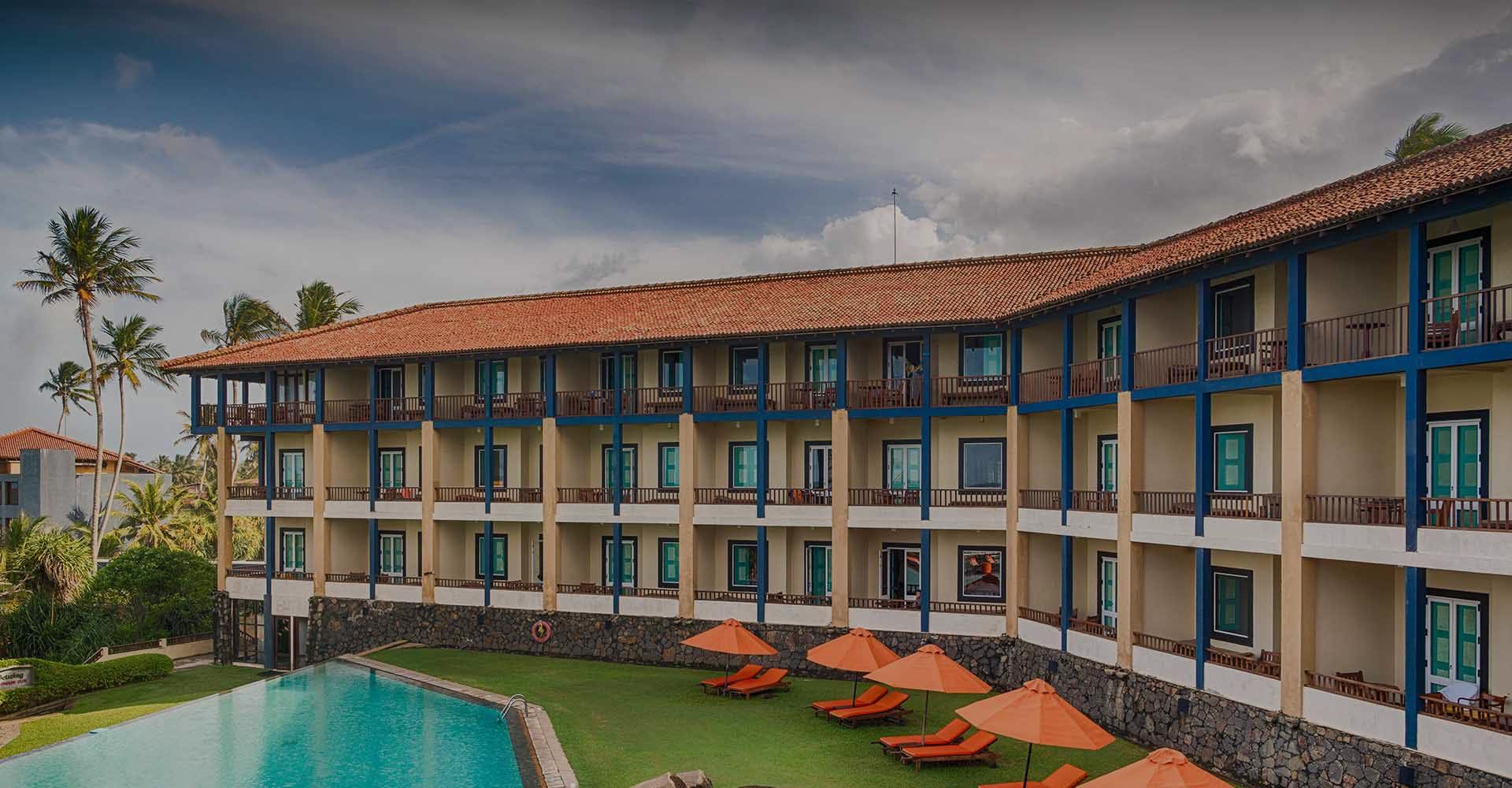
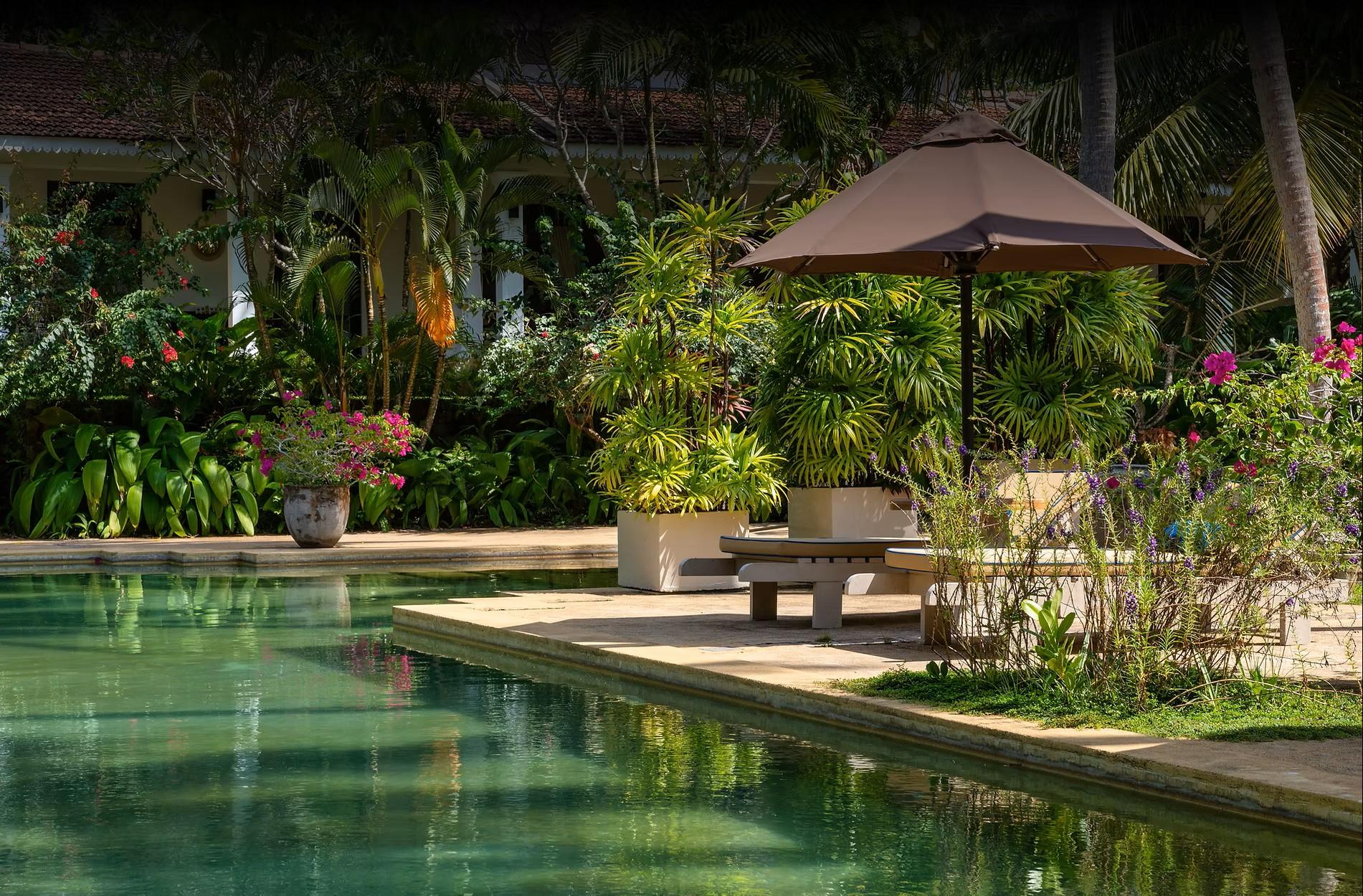
Amangalla is within Galle Fort on Church Street; Jetwing Lighthouse occupies an ocean-facing hillock beyond the city centre. Consider Amangalla for a stay built around the fort's streets and architecture, or Lighthouse when the coastal hotel setting matters more. These are setting comparisons, not ratings or a promise of safe sea swimming. Check the booked room, beach arrangements and transport to your planned visits. Unawatuna and Hikkaduwa have separate guides and collections.
Give the fort more than a photo stop
The UNESCO site is a whole fortified town, with a street grid, houses, verandas and ramparts. A full sightseeing day lets you explore those elements together and return to the sea walls at another hour. The Galle National Museum is within the fort and offers context on southern Sri Lanka; check its visiting arrangements separately instead of assuming that every museum follows the same opening days.
Add beach nights deliberately
For a heritage-focused stop, consider two nights so arrival and departure do not consume the only sightseeing day. If you also want a beach holiday, allocate additional nights to the coast rather than expecting one fort afternoon to cover both experiences. A neighbouring beach visit still involves a transfer, and the southwest-coast season should guide how much of the trip depends on swimming and sea excursions.
03 / Find your bearings
Galle sits in Sri Lanka's south coast region. Use this map to place it in your wider route.
6.03° N · 80.22° E
Imagery © Mapbox · © OpenStreetMap
Stay with intention
Stays in Galle.
Keep the journey moving
Where could you go next?
All Sri Lanka placesPlan the wider journey
Galle in a Sri Lanka itinerary
Compare 5, 7, 10 and 14-day routes before deciding how much time to leave between stops.
Choose your south coast season
Compare the coast calendars before matching a beach stay to your dates.
Compare Sri Lanka beach bases
Decide whether the town, shoreline or resort setting should anchor your coast stay.
Planning sources
This guide uses destination and heritage information from the sources below. Seasons, transport, site access and sea conditions change; confirm them before travel.
Practical notes updated . Suggested stays and routes are planning options; current services and access need confirmation.