
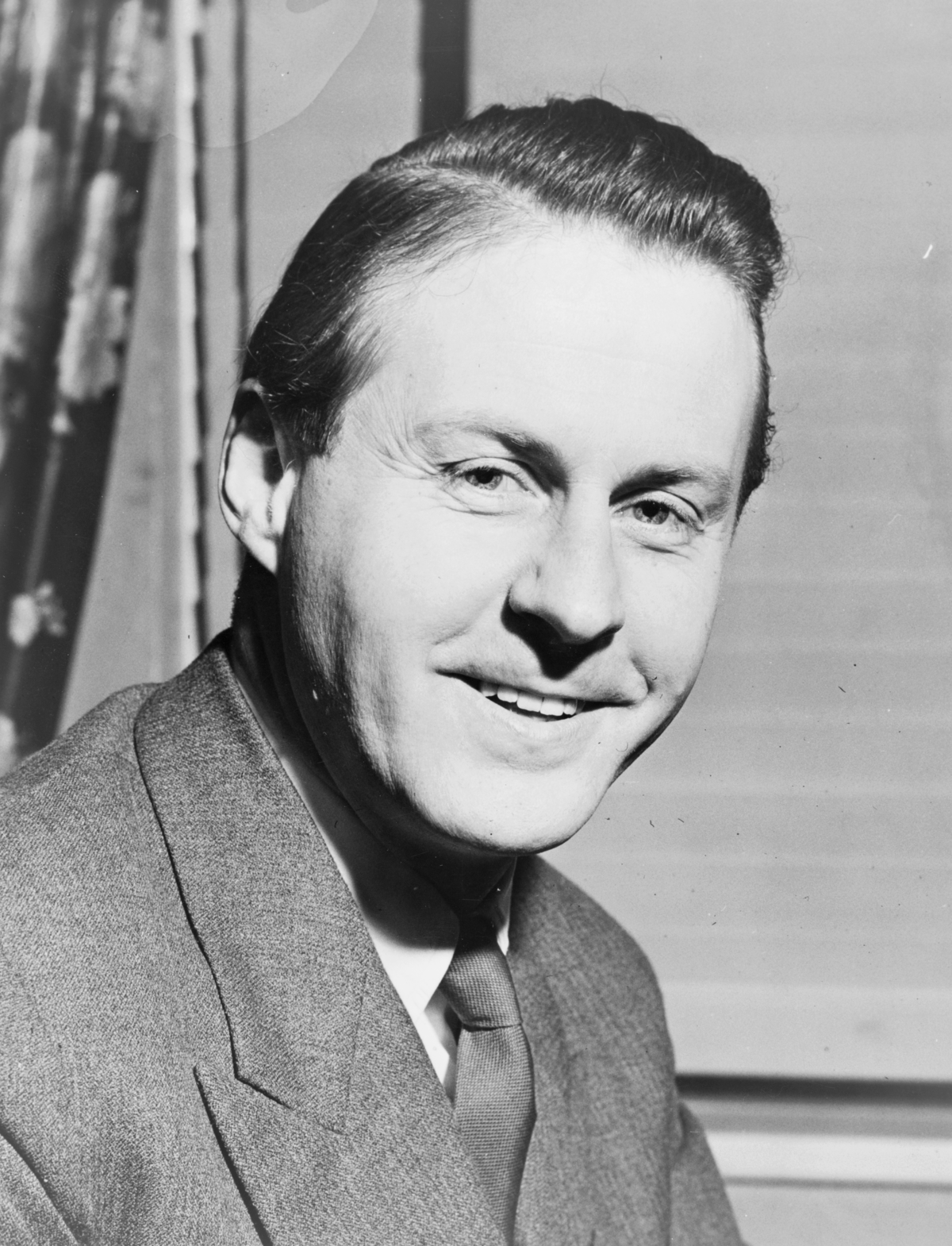
Heyerdahl and the Maldive Mystery.
A single airmail photograph of a stone Buddha draws the Norwegian explorer Thor Heyerdahl to the atolls. Across three expeditions he documents stepped stone platforms and sun-aligned 'hawittas', arguing that a sun-worshipping 'Redin' people preceded both Buddhism and Islam. His theory remains contested; the romance endures.
Thor Heyerdahl — by then already famous for Kon-Tiki, Ra and the Tigris expedition — came to the Maldives in 1982 after a Maldivian friend sent him a single photograph of a stone Buddha head half-buried in the sand of Fuvahmulah. Across three expeditions (1982, 1983 and 1984), he surveyed megalithic mounds — hawittas — on islands from Addu to Ari.
What he found, and what he argued for in his 1986 book The Maldive Mystery, was a pre-Buddhist layer of Maldivian history. The mounds, he claimed, had been built by a seafaring, sun-worshipping people he called the Redin, who had arrived from somewhere to the north-west — possibly the Indus Valley — long before any Buddhist missionary.
Mainstream archaeologists have not been kind to the theory. The 'Redin' of folklore, modern scholarship argues, is simply what post-conversion Maldivians called their own Buddhist ancestors. But Heyerdahl's surveys were the first serious scientific documentation of ancient Maldivian stonework, and they prompted the later Kaashidhoo excavations that confirmed a 7th-century Buddhist monastery existed exactly where he had suggested. The book remains a bestseller in the Maldives to this day.
Continue the timeline.
- Thor Heyerdahl, The Maldive Mystery (George Allen & Unwin, 1986)
- Wikipedia — Thor Heyerdahl
- Xavier Romero-Frias, The Maldive Islanders (Nova Ethnographia Indica, 1999)
Two thousand years of history — one extraordinary place to experience it.
The atolls in this story are the islands you can stay on today: private-island resorts and overwater villas, planned by a team that works from inside the Maldives.