
The First Settlers.
Seafarers arrive in waves from southern India and Sri Lanka, carrying Dhivehi — an Indo-Aryan language closely related to Sinhala — across the Indian Ocean in outrigger canoes. They find a chain of low, green islands and make them home.
Early permanent settlement of the Maldives is broadly dated to around 500 BCE, coinciding with the colonisation of Sri Lanka by Indo-Aryan migrants from northern and western India. The new arrivals bring Dhivehi — a close cousin of Sinhala — carried across the monsoon winds in outrigger canoes.
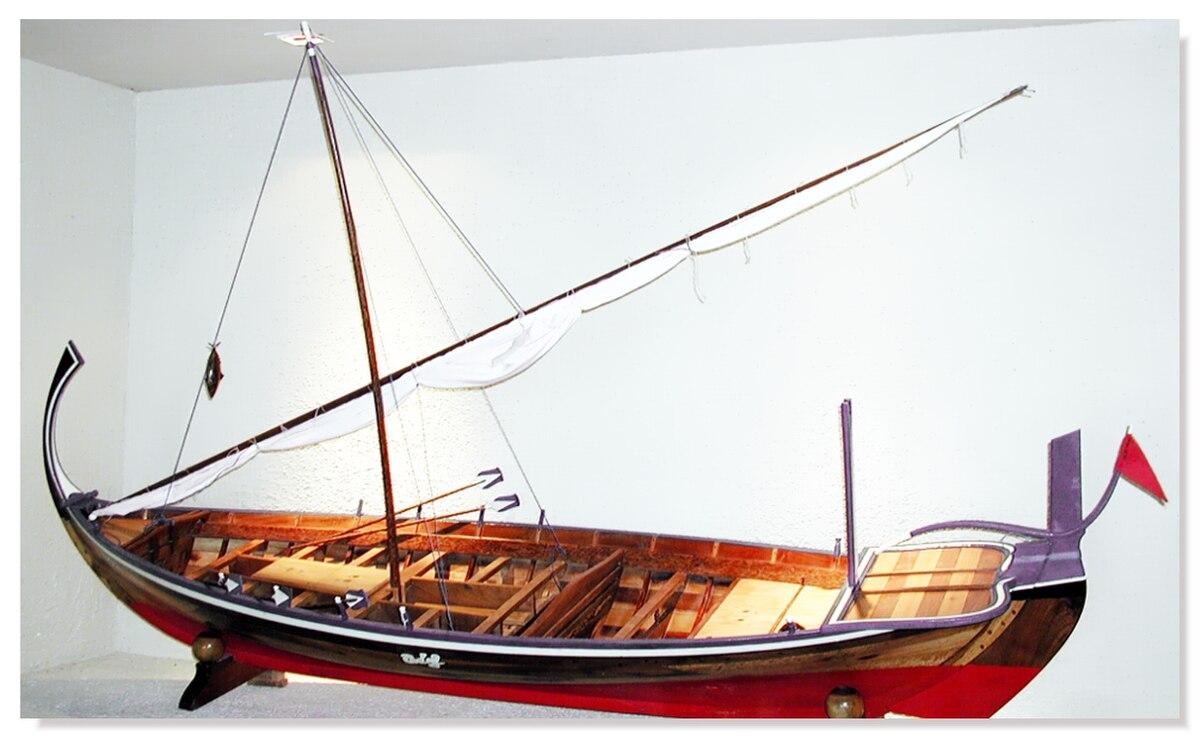
They are not the only thread. Dravidian cultural elements — astrology, goddess worship, agricultural rituals — root themselves deeply in early Maldivian life, hinting at earlier or parallel waves of settlers from further south in the subcontinent. The traditional Maldivian dhoni still echoes both South Indian and Sri Lankan boat-building traditions.
In the 1980s, Thor Heyerdahl proposed a far more exotic theory: that a pale-skinned, sun-worshipping people called the 'Redin' preceded all subcontinental settlers, building the earliest megalithic mounds. Modern scholars suggest the 'Redin' of folklore may simply be how post-Islamic Maldivians referred to their own Buddhist ancestors — but the image of tall, blue-eyed mariners lingers in oral tradition.
Continue the timeline.
- Clarence Maloney, People of the Maldive Islands (Orient Longman, 1980)
- Xavier Romero-Frias, The Maldive Islanders (Nova Ethnographia Indica, 1999)
- Wikipedia — History of the Maldives
Two thousand years of history — one extraordinary place to experience it.
The atolls in this story are the islands you can stay on today: private-island resorts and overwater villas, planned by a team that works from inside the Maldives.