- Size
- Branching or plate colonies to about 0.5 m
- Snorkel or dive
- Snorkel and dive — look, don't touch.
- Best season
- Year-round.
- Conservation
- Least Concern for most Indo-Pacific species (IUCN).
How to recognise it
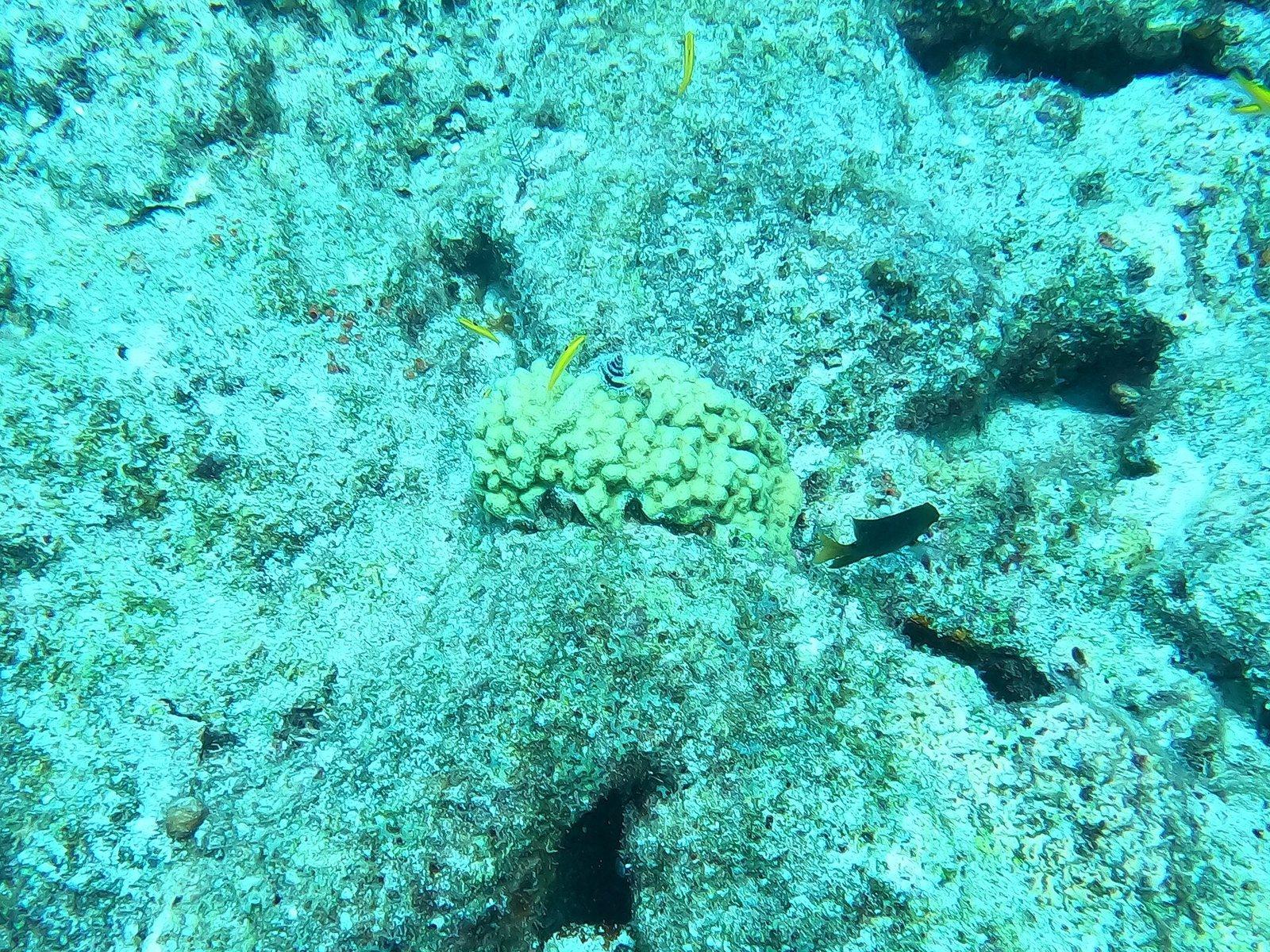
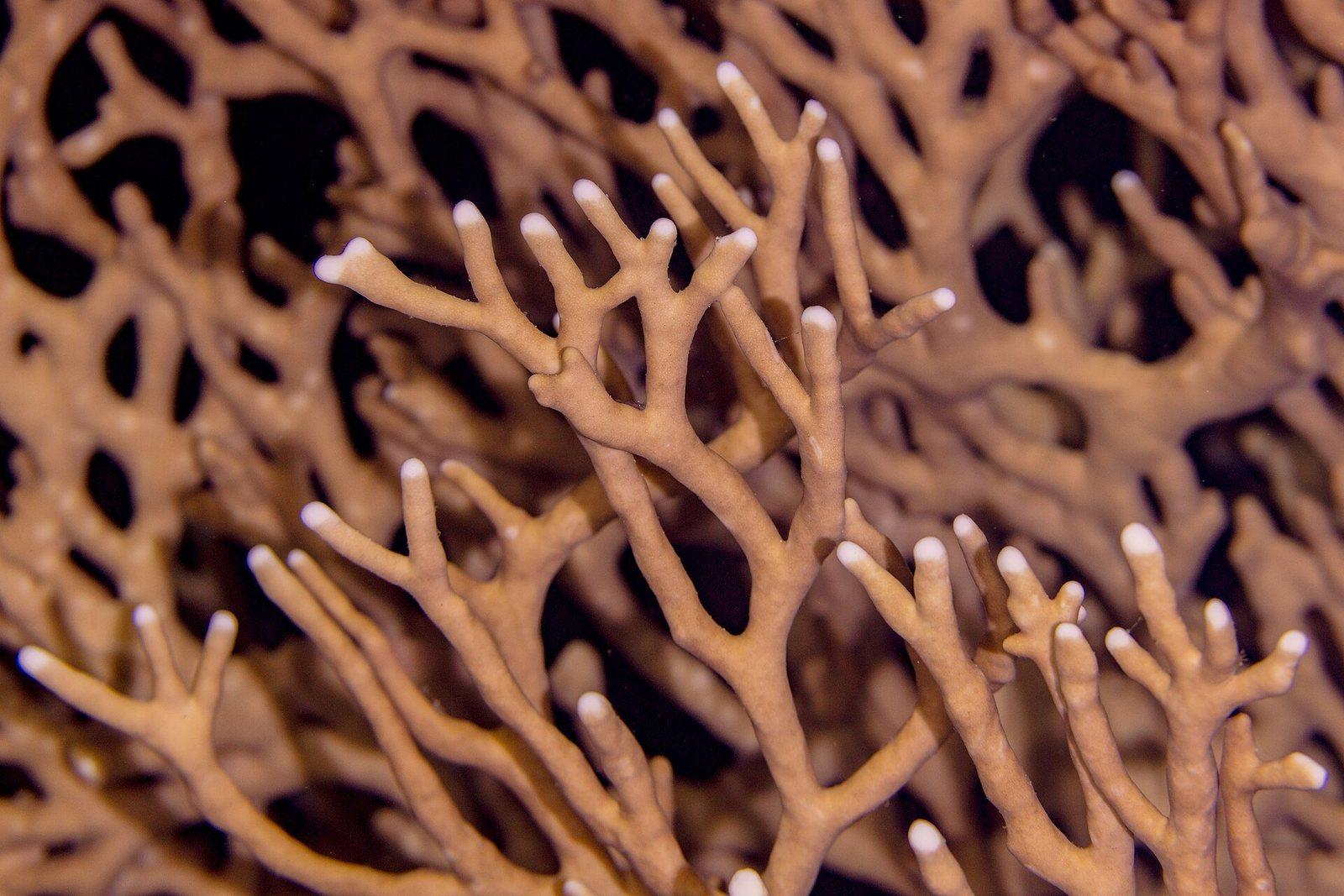
Mustard-yellow to tan colonies with smooth surfaces and pale branch tips; not a true coral but a hydrozoan armed with stinging cells.
Behaviour in the wild
Grows on reef crests and current-swept edges; the fine hairs (nematocysts) deliver a burning sting on contact.
Where to see it in the Maldives
Shallow reef crests and channel edges across the atolls, often where current and light are strong.
Visual field notes
See fire coral from more than one angle.
One verified identification image is currently available.
01 · Field portrait · Species reference
Field notes
Despite the name and coral-like shape, fire coral is more closely related to jellyfish than to the stony corals it grows beside.
Profile references
References are shown transparently; profile copy may also include editorial synthesis. Seasons and sightings vary with wild conditions.