
Operation Cactus.
Before dawn, eighty PLOTE Tamil mercenaries hired by a disgruntled Maldivian businessman land speedboats from a hijacked freighter and seize Malé. Within hours, Indian Air Force Il-76s airlift paratroopers to Hulhulé; the coup collapses before sunset. Margaret Thatcher calls it 'a very valuable service'.
Abdullah Luthufi was a Maldivian businessman who had fallen out with the Gayoom government and gone into exile in Sri Lanka. From there he hired between 80 and 100 armed mercenaries from the People's Liberation Organisation of Tamil Eelam (PLOTE), a Sri Lankan Tamil militant group with combat experience. At dawn on 3 November 1988, they arrived in Malé in speedboats launched from a hijacked Sri Lankan freighter.
Within an hour they had seized the port, the television and radio stations, and most major government buildings. President Gayoom narrowly avoided capture — he was moved from the presidential palace to a safe house by his security detail, from where he issued an urgent plea for international help.
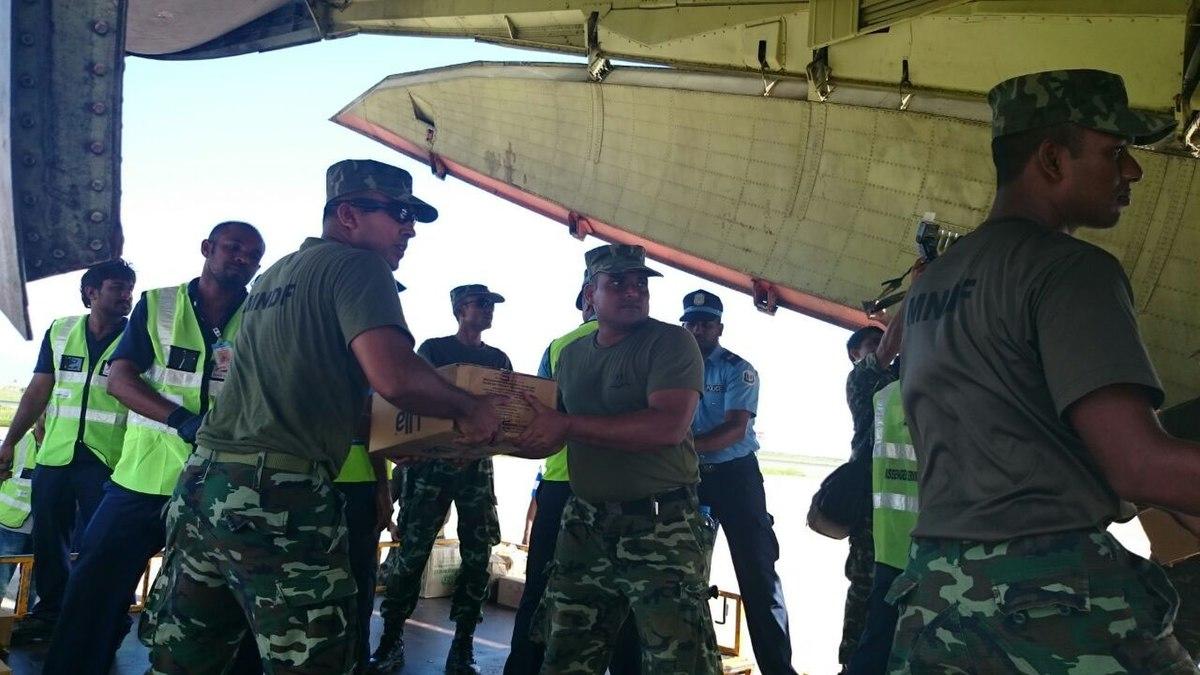
India moved within hours. Prime Minister Rajiv Gandhi authorised Operation Cactus. Indian Air Force Il-76 transports airlifted 500 paratroopers of the 6th Battalion, Parachute Regiment from Agra directly to Hulhulé airport. They secured the airfield, crossed to Malé in commandeered boats, and rescued the president. The surviving mercenaries tried to flee on the same Sri Lankan freighter they had arrived on — the Indian Navy caught them at sea.
The whole operation took less than 24 hours. Nineteen Maldivians died. Margaret Thatcher, visiting Rajiv Gandhi shortly afterwards, called the Indian intervention 'a very valuable service'. The episode permanently cemented India's role as the Maldives' primary security guarantor.
It is a very valuable service the Indian government has rendered.
Continue the timeline.
- Sushant Singh, Mission Overseas: Daring Operations by the Indian Military (Juggernaut, 2017)
- Wikipedia — 1988 Maldives coup d'état
- Britannica — Maldives: History
Two thousand years of history — one extraordinary place to experience it.
The atolls in this story are the islands you can stay on today: private-island resorts and overwater villas, planned by a team that works from inside the Maldives.