Nudibranchs are the jewels of the reef — shell-less sea slugs in a riot of electric colours and bizarre forms, beloved by macro photographers. Their dazzling colours are usually a warning: many recycle the toxins, or even the stinging cells, of the prey they eat. Despite their delicacy, they are fierce specialist predators.
- Size
- Mostly < 5 cm
- Diet
- Specialist feeders — sponges, hydroids, anemones, tunicates or other animals' eggs.
- Lifespan
- Short — usually months up to about a year.
- Depth
- Intertidal shallows to deep water; most reef species in the shallows.
- Reproduction
- Simultaneous hermaphrodites — pairs fertilise each other and lay eggs in coiled ribbons.
- Snorkel or dive
- Dive (macro)
- Best season
- Year-round
- Conservation
- Not assessed
How to recognise it
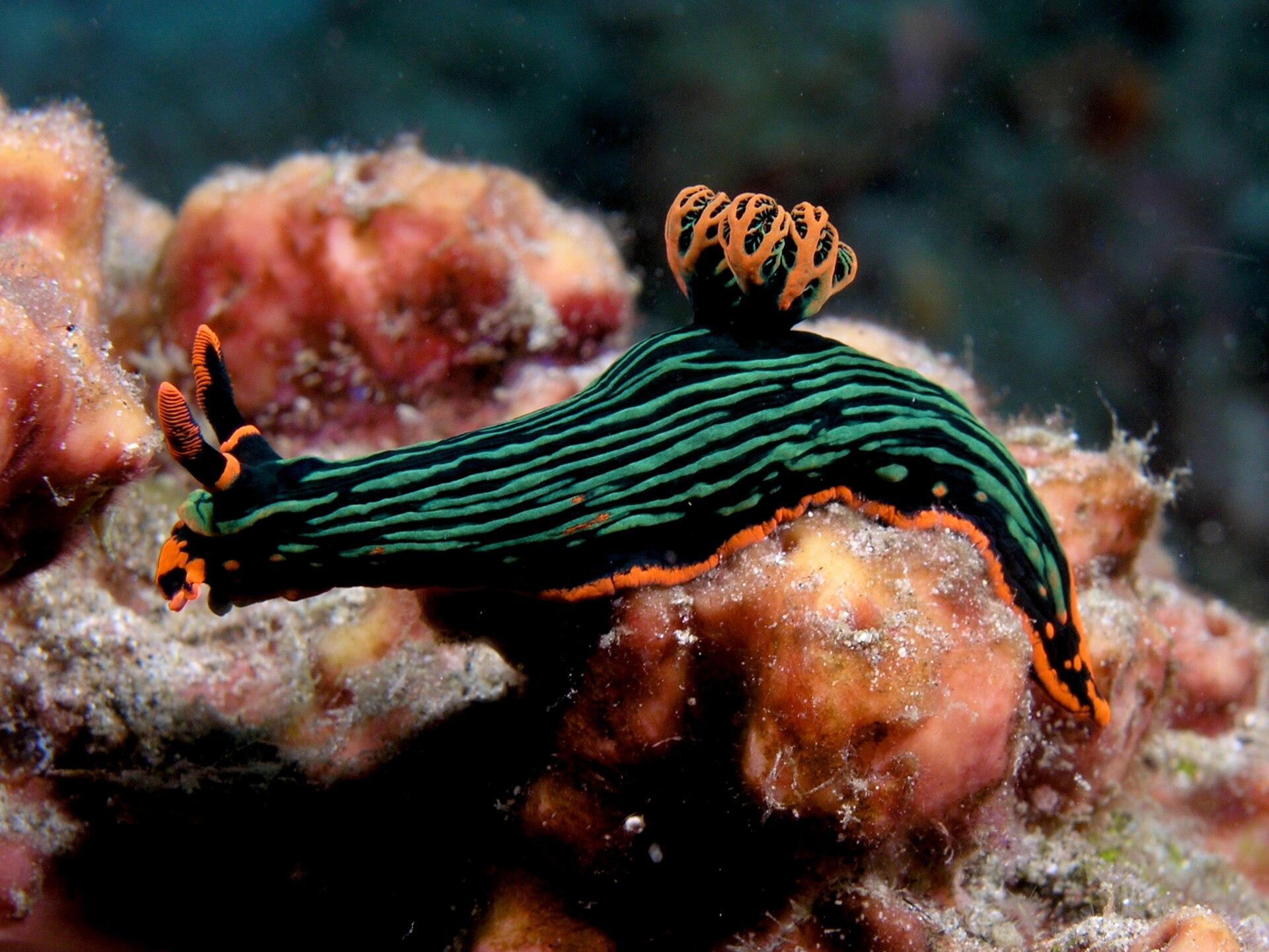
Vividly coloured shell-less sea slugs in hundreds of species.
Behaviour in the wild
Slow grazers on rubble, sponges and reef walls; toxins advertised by bright colours.
Where to see it in the Maldives
Hundreds of species recorded; best searched slowly on rubble and walls (Macro Spot, Gan Inside).
Visual field notes
See nudibranchs from more than one angle.
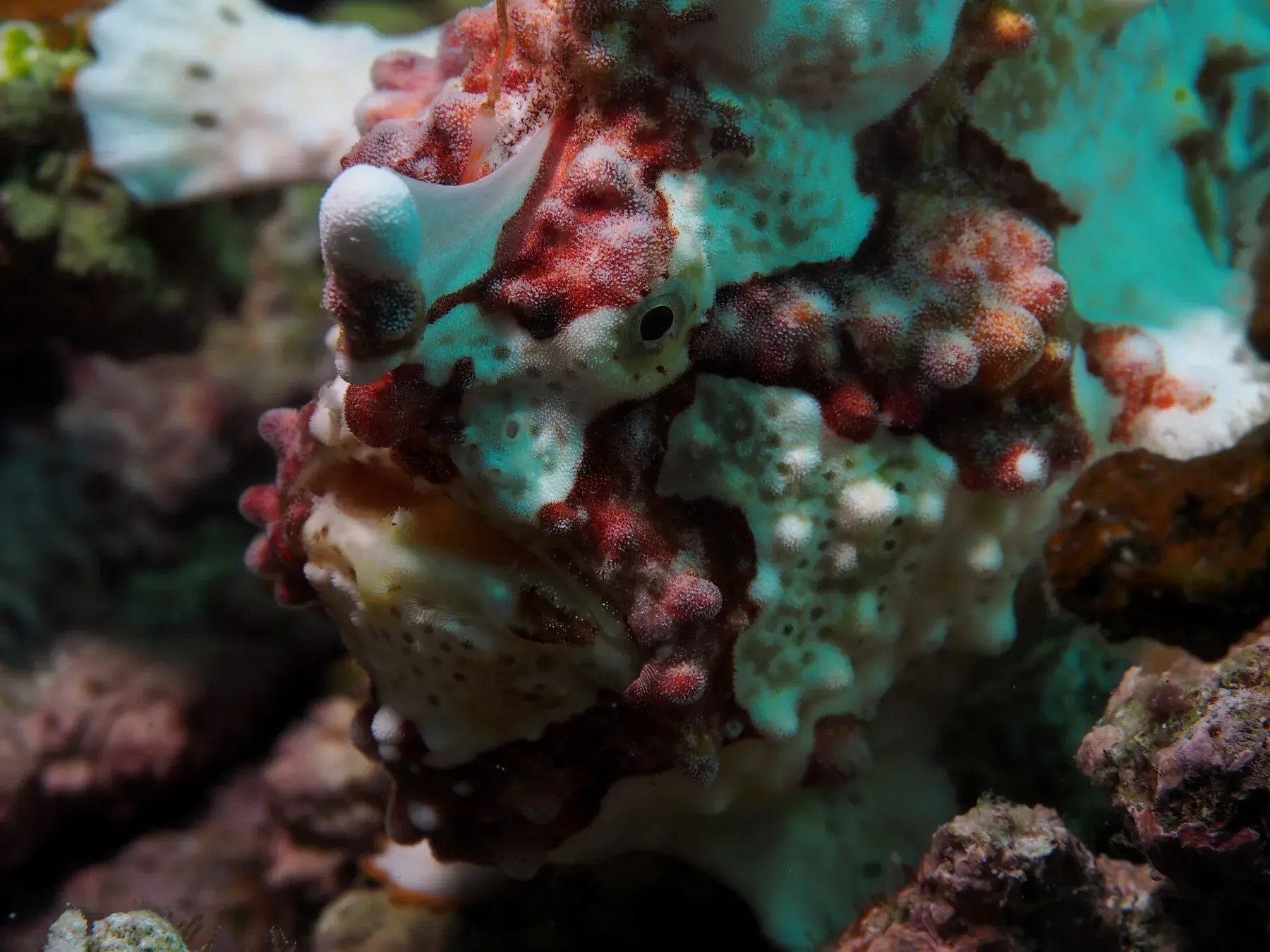
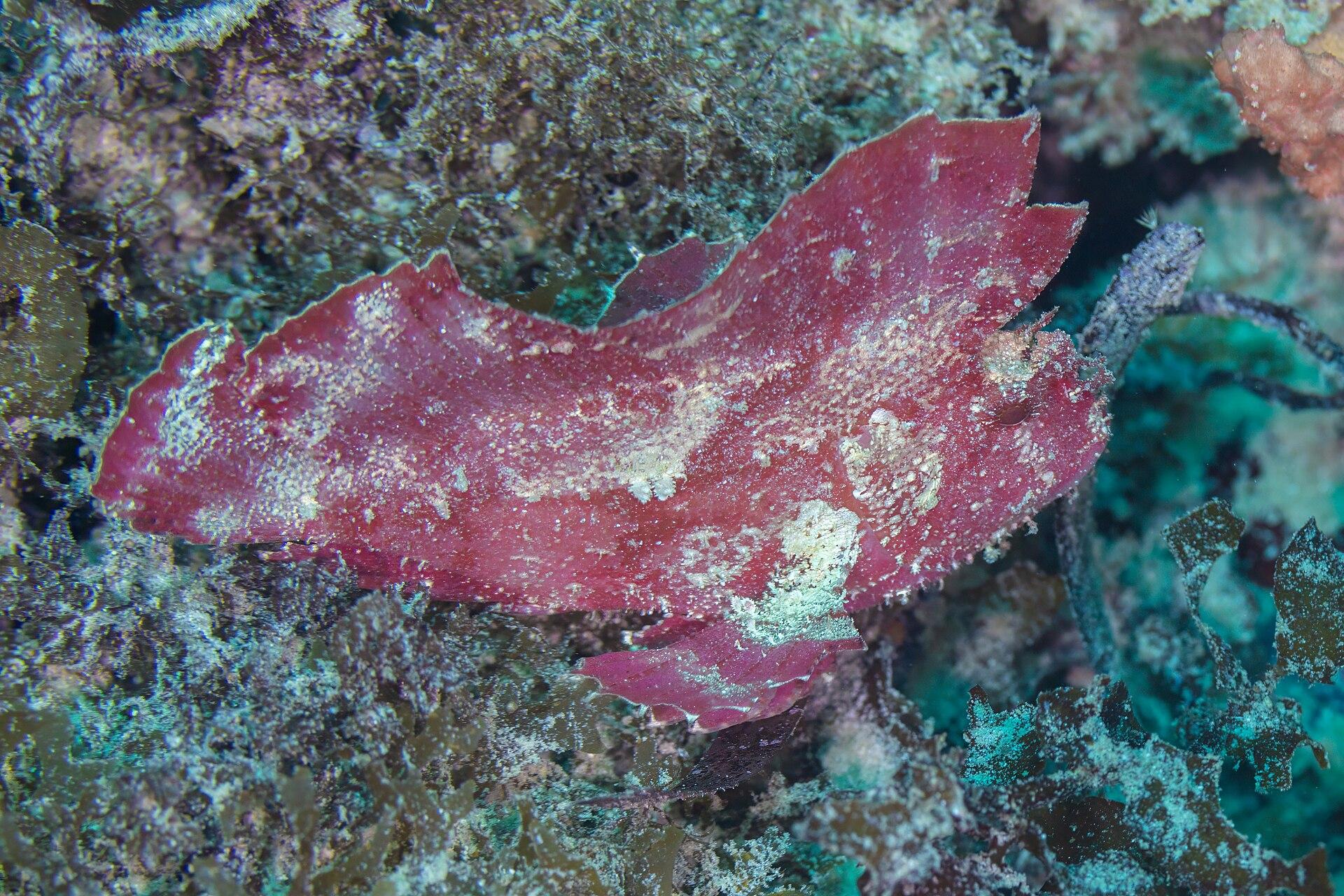
3 human-reviewed photographs chosen for identity, habitat and behaviour.
01 · Field portrait · Species reference
PhotoNhobgood Nick HobgoodCC BY-SA 3.0web-adapted
02 · Identification · Maldives photograph
PhotoDiego DelsoCC BY-SA 4.0web-adapted
03 · Identification · Species reference
PhotoDiego DelsoCC BY-SA 4.0web-adapted
Recorded locations
Build a trip from real sighting records.
Dive and snorkel sites
Conservation context
No broad threats; sensitive to reef degradation and loss of specific prey.
IUCN · Not assessed
Watch responsibly
Never touch or relocate them — they're fragile and tied to specific food; don't stir sediment over them.
Field notes
Many steal stinging cells from their prey and reuse them for their own defence.
Many store their prey's still-functional stinging cells in their finger-like cerata, reusing them for defence.
Profile references
References are shown transparently; profile copy may also include editorial synthesis. Seasons and sightings vary with wild conditions.