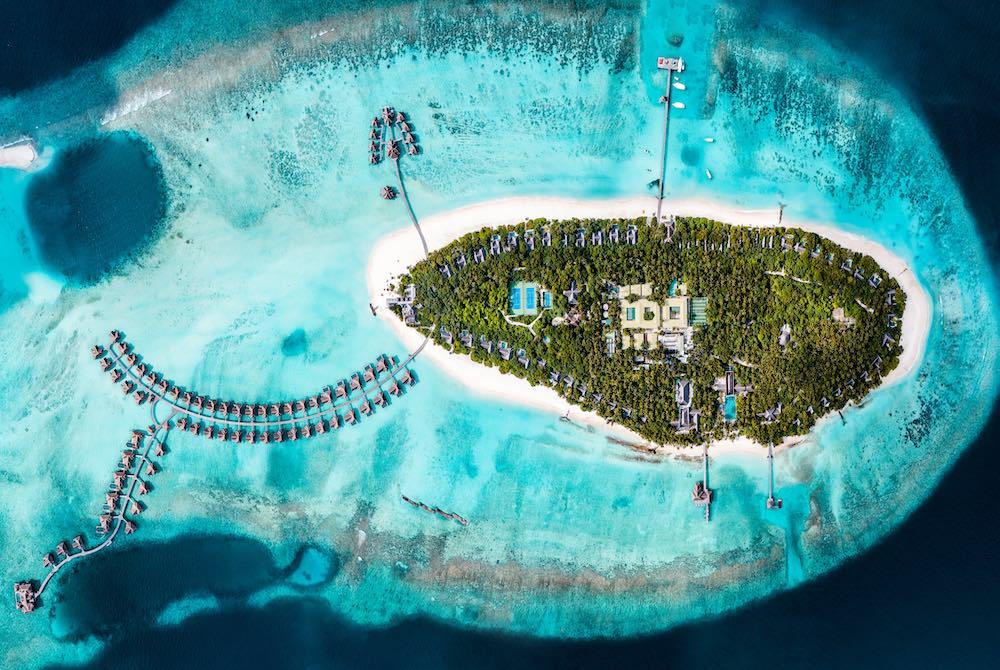

Compare the three transfer options
- Speedboat: After arrival formalities, meet the resort representative and connect to the boat. Confirm shared or private service, operating times, baggage, child charges and the return schedule.
- Seaplane: Complete transfer check-in, take the vehicle to the seaplane terminal, then wait for your flight. Confirm the daylight connection, international flight requirements, baggage and possible stops.
- Domestic flight and onward transfer: Fly to a regional airport, then take the resort’s boat or other connection. Confirm both schedules, the airport, connection time, baggage and any overnight requirement.
Speedboat: check the operating schedule
A speedboat can simplify access to islands within boat reach of Malé. Some resorts arrange transfers after dark, but a boat service is not automatically available at every hour. Confirm your specific flight with the resort and distinguish a shared departure from a private charter.
Ask how long the boat journey takes, where you meet the representative, whether there is a scheduled wait and what happens if the international flight is delayed. Weather and sea conditions can affect the journey.
The return arrangement matters too. Check when you leave the island for your departing flight and whether meals or facilities remain available if there is a gap after checkout.
Seaplane: allow time for the full connection
Seaplanes operate in daylight. The acceptable international arrival and departure times are set by the operator and resort; there is no single cutoff that guarantees every connection.
For a TMA journey, meet the representative after international immigration and baggage collection, then complete transfer check-in. TMA describes a vehicle transfer to Noovilu Seaplane Terminal. Lounge access depends on the booking.
The flight may involve waiting or intermediate stops. Do not treat a published flying time as the total airport-to-resort journey. Share flight numbers with the resort before ticketing, including any revised flight times.
Share your flights with our travel team so we can confirm the check-in arrangements and connection for your stay.
Domestic flight plus speedboat: one coordinated itinerary
A domestic transfer uses a regional airport, followed by the resort’s onward connection. Where offered, this can provide an alternative to a seaplane. Evening airport operations do not by themselves guarantee that the onward boat and resort arrival are available.
For example, Pullman Maldives Maamutaa lists approximately 55 minutes by domestic flight from Malé to Kooddoo and a 15-minute speedboat. Waiting and connection time are additional.
Explore Pullman Maldives Maamutaa and Kuredu, which offers seaplane and domestic-flight options. Confirm the complete itinerary on your quotation.
Transfer costs and family charges
Ask for a dated return price for every traveller. The amount can vary with the resort, transfer mode, private versus shared service, travel dates, age policy and promotion. Check whether taxes and baggage charges are included.
An all-inclusive room plan does not automatically include the island transfer. Equally, a special offer may bundle transfers that another rate sells separately. Compare the total package, not just the room rate.
Provide each child’s age on the travel dates. Ask whether an infant has a seat, whether child fares apply, and whether an offer’s free-child benefit includes the transfer as well as the room and meals.
Continue with the all-inclusive guide or the worked trip budgets from the USA.
Baggage: confirm the allowance for every segment
Your international airline’s baggage allowance does not carry over automatically to the island transfer. TMA currently publishes 20 kg checked baggage and 5 kg hand baggage per person, with no additional infant allowance. Its FAQ lists excess baggage charges and operational conditions.
Confirm the allowance on your booking and disclose sports equipment or oversized items before travel. The airline must approve carriage; do not assume a complimentary extra allowance or that every bag will travel on the same flight. Our team can confirm the operator’s baggage restrictions for your itinerary.
Late arrivals and transit hotels
If your flight cannot connect to the island, ask whether an overnight stay near the airport is needed. Confirm the hotel, airport transport, meals, next-day transfer and who pays for each part. A private seaplane charter is still subject to daylight and operating constraints.
Check the departure day as carefully as the arrival. Ask the resort to confirm a feasible connection to your exact international flight, rather than relying on a general number of hours.
Before you confirm
- Give the resort your arrival and departure flight numbers and every guest’s age.
- Confirm both transfer directions, the operator, any stops and the meeting point.
- Request the full return price, taxes, baggage charges and child conditions.
- Check the arrangements for delayed flights, weather disruption and overnight stays.
- Keep your booking confirmation and representative’s contact details available offline.
Transfer examples and operator information reviewed on 7 September 2026. Confirm the current requirements with our team for your own itinerary.
Frequently asked
Common questions
Do seaplanes fly at night in the Maldives?
Seaplane transfers operate in daylight. Confirm the acceptable international arrival and departure times with your resort and operator; a private charter does not remove daylight and operating constraints.
Are resort speedboats available 24 hours a day?
Some resorts arrange transfers after dark, but the operating schedule depends on the resort and whether the service is shared or private. Confirm your exact flight before relying on a late-night connection.
What is a domestic flight plus speedboat transfer?
You fly from Malé to a regional airport, then use the resort’s onward boat. Pullman Maldives Maamutaa, for example, lists a flight to Kooddoo followed by a speedboat. Confirm both connections and add waiting time to the published journey times.
How much baggage can I bring on a TMA seaplane?
TMA currently publishes 20 kg checked baggage and 5 kg hand baggage per person, with no additional allowance for infants. Check your booking, excess-baggage charges and restrictions for oversized or special items.
Are island transfers included in an all-inclusive holiday?
Only if the written package includes them. Ask for the return transfer mode, charges for every adult and child, taxes and baggage conditions on the quotation.
What if my international flight arrives too late?
Ask the resort whether an alternative connection is available or whether an overnight stay near the airport is required. Confirm the hotel, ground transport, next-day transfer and any extra cost before booking.
Written by
Resortlife Editorial
The editorial team at Resortlife Travel — a Maldives DMC since 2006, writing from Malé, Dubai, and the UK. Our guides are built on first-hand reporting, contracted-rate knowledge, and two decades of agent relationships.