

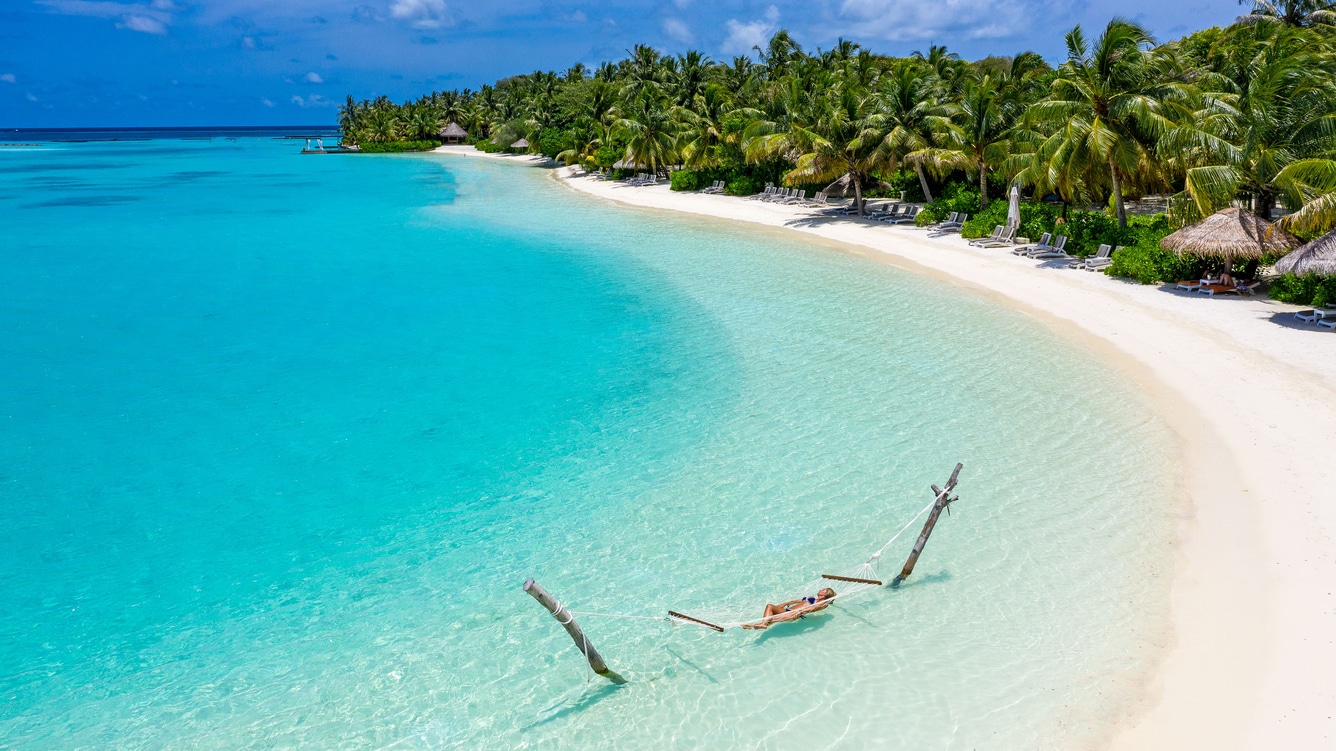
Unlike many destinations where one season clearly outshines the rest, the Maldives offers something extraordinary throughout the year. The secret isn't simply choosing the month with the most sunshine—it's choosing the month that matches the holiday you've always imagined.
Whether you're planning a honeymoon, an unforgettable family vacation, a diving adventure, or simply searching for the perfect escape from everyday life, this guide will help you discover the best time to experience paradise.
Understanding the Maldives Seasons
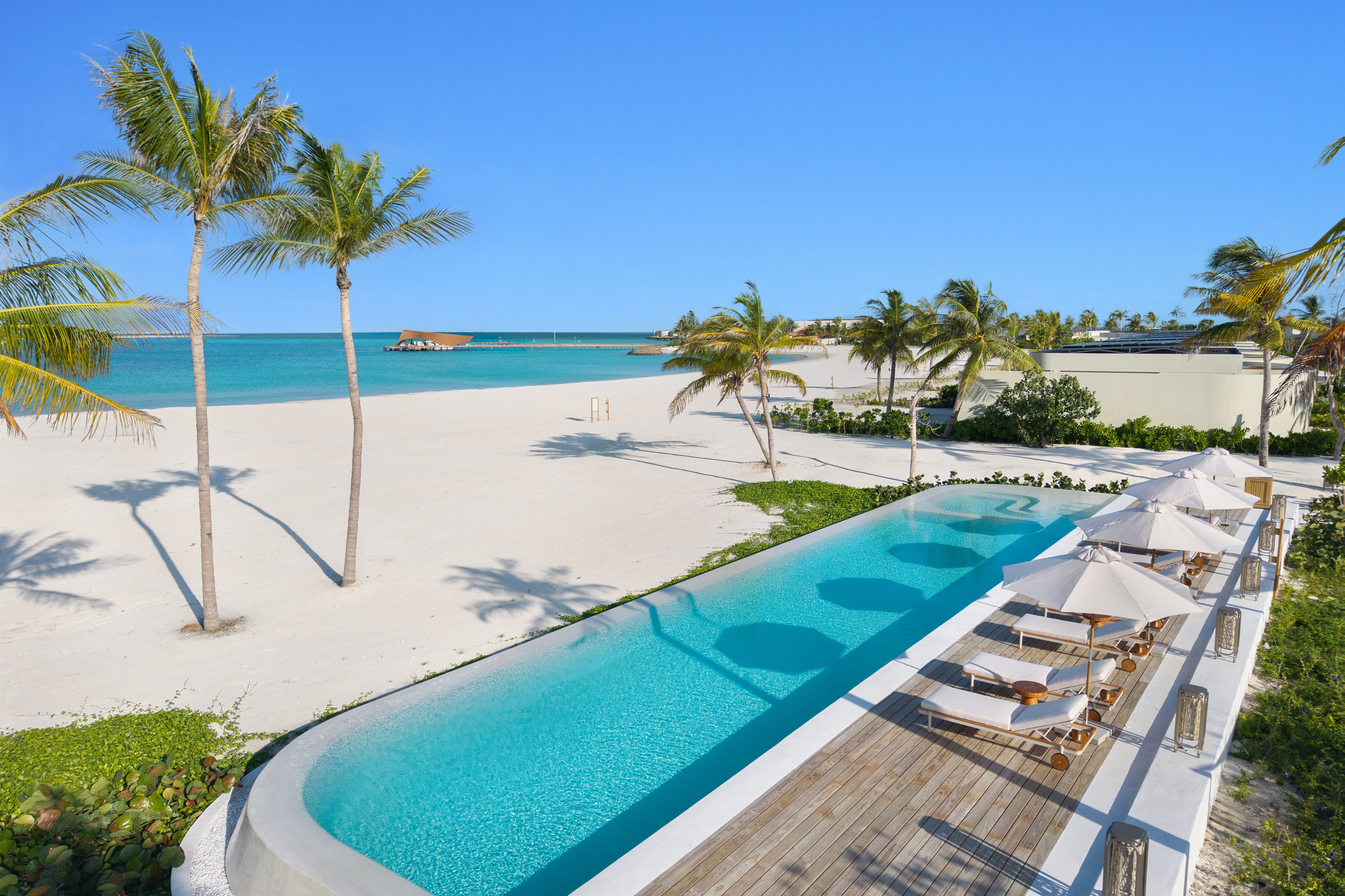
One of the first things travelers notice about the Maldives is that the weather remains warm throughout the year. With temperatures typically ranging between 27°C and 31°C (81°F–88°F), there's never really a "cold" season.
Instead, the Maldives experiences two distinct monsoon seasons.
The dry season, which runs from November to April, is known for its long sunny days, calm seas, and excellent visibility for snorkeling and diving. This is considered the peak tourist season, attracting honeymooners, families, and luxury travelers from around the world.
From May to October, the southwest monsoon, often called the Green Season, brings occasional tropical showers, refreshing breezes, and lush island scenery. While some visitors hesitate to travel during these months, many seasoned travelers prefer this quieter season for its lower prices, fewer crowds, and spectacular marine life encounters.
The truth is, even during the rainy season, showers are often short-lived, leaving plenty of time to enjoy everything the islands have to offer.
January: The Maldives at Its Finest
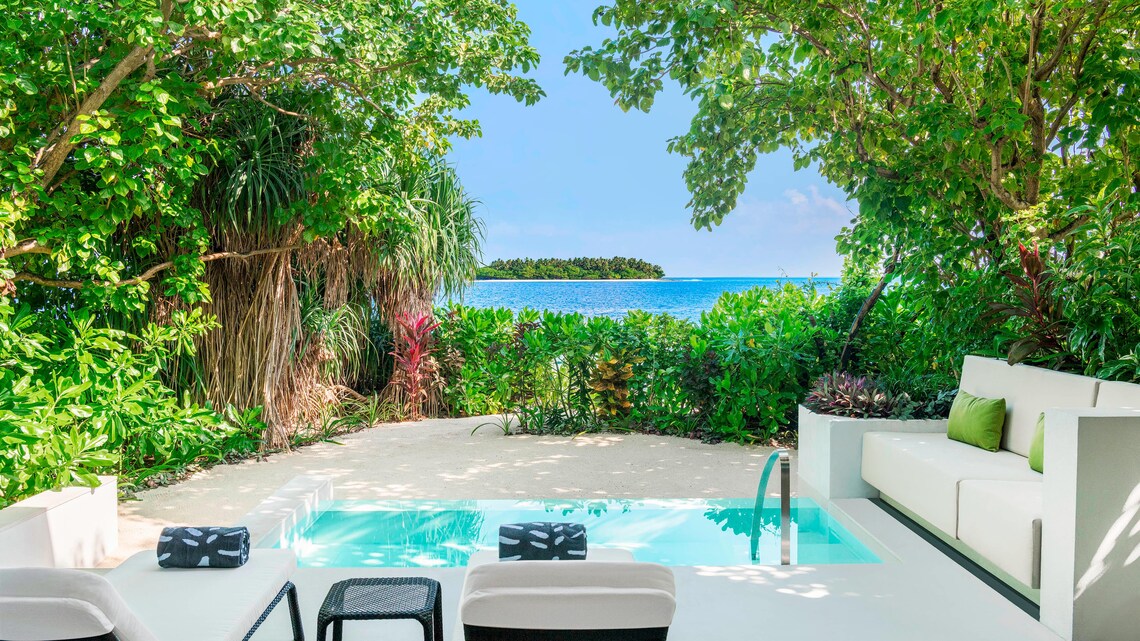
If you've always dreamed of stepping onto a picture-perfect tropical island, January delivers exactly that.
The skies are bright blue, humidity is low, and the ocean becomes incredibly calm. It's one of the best months for snorkelling, diving, and enjoying long afternoons on pristine beaches.
Couples planning a honeymoon will find January particularly romantic, while photographers will appreciate the exceptional clarity of both the skies and the water.
February: Endless Sunshine
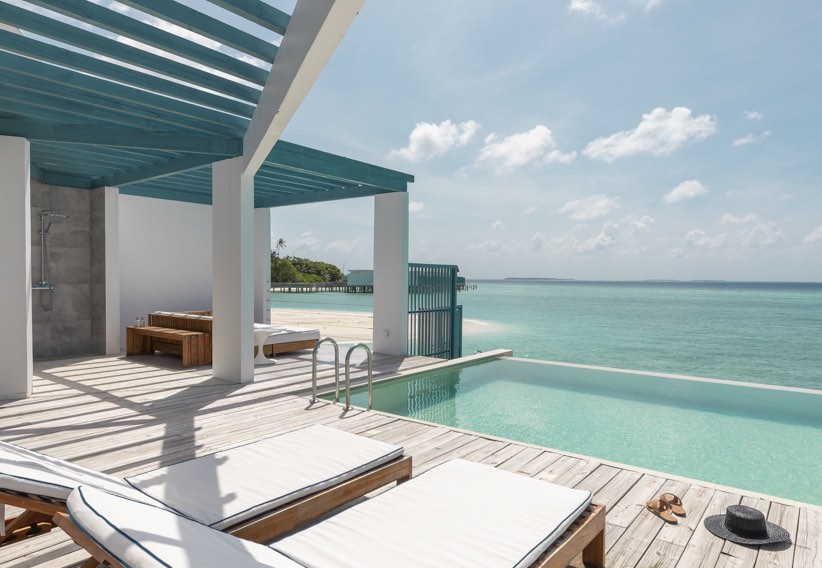
February is widely considered one of the very best months to visit the Maldives.
Rainfall is minimal, visibility underwater is outstanding, and the weather feels almost effortless. It's the perfect time for sunset cruises, private sandbank picnics, island hopping, and simply relaxing in an overwater villa.
As one of the busiest months, early booking is highly recommended.
March: A Diver's Dream

As dry season continues, March offers some of the clearest waters of the year.
Divers often enjoy visibility exceeding 30 metres, making it an excellent time to explore coral reefs filled with colourful marine life, reef sharks, turtles, and tropical fish.
Above the surface, calm seas make kayaking, paddleboarding, and dolphin watching equally rewarding.
April: Sunshine with a Hint of Summer
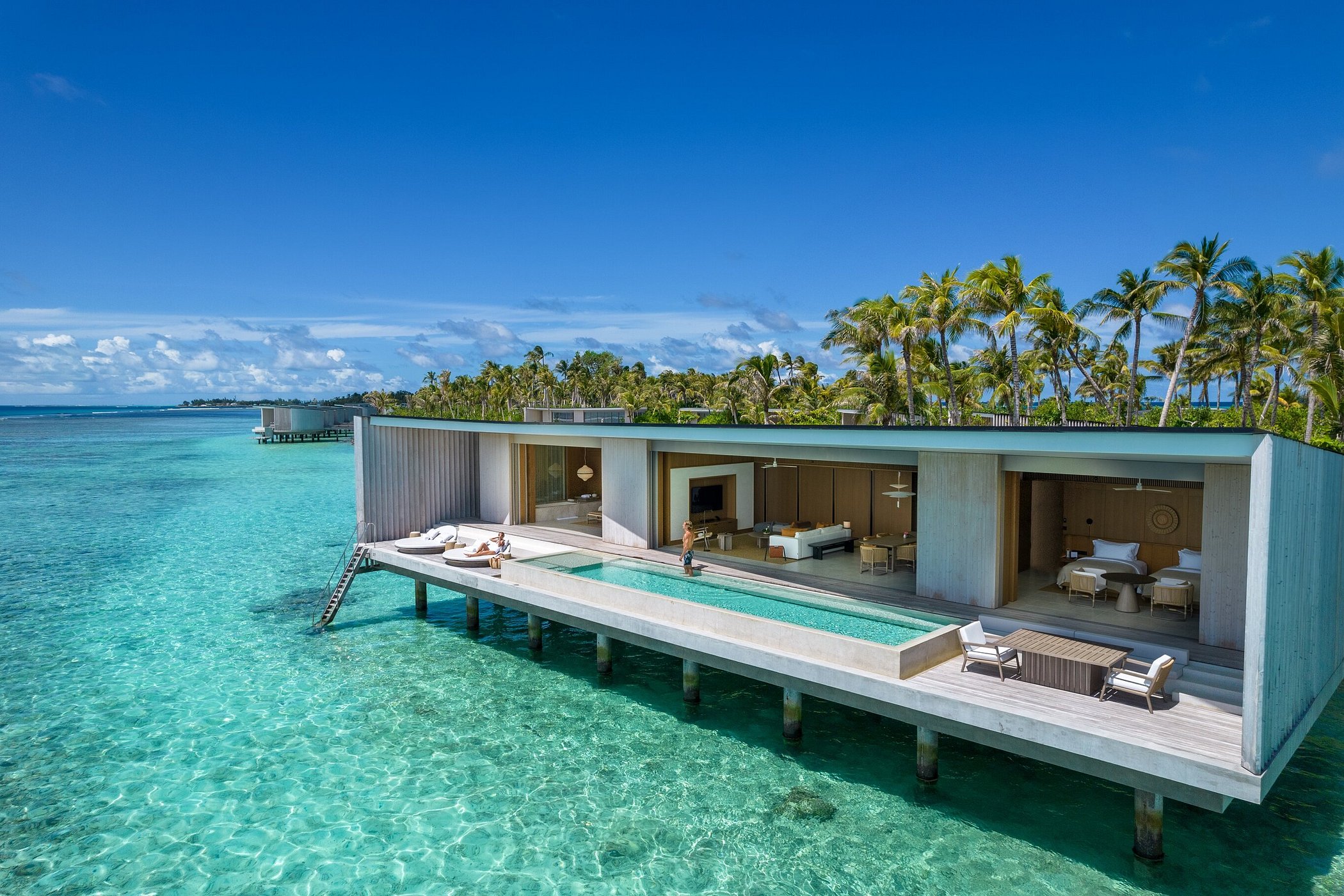
April marks the transition between seasons.
Although temperatures remain high and sunshine is still abundant, humidity gradually increases as the islands prepare for the southwest monsoon.
For visitors, however, it's still an excellent month for beach holidays, water sports, and luxurious resort experiences.
May: The Green Season Begins

May introduces the first tropical showers of the southwest monsoon.
While many people assume this means constant rain, the reality is quite different. Rain typically arrives in short bursts before giving way to sunshine once again.
This is when travellers begin finding attractive resort offers, making luxury holidays significantly more affordable than during peak season.
The islands also become noticeably greener, adding another layer of beauty to the landscape.
June: Adventure Takes Centre Stage
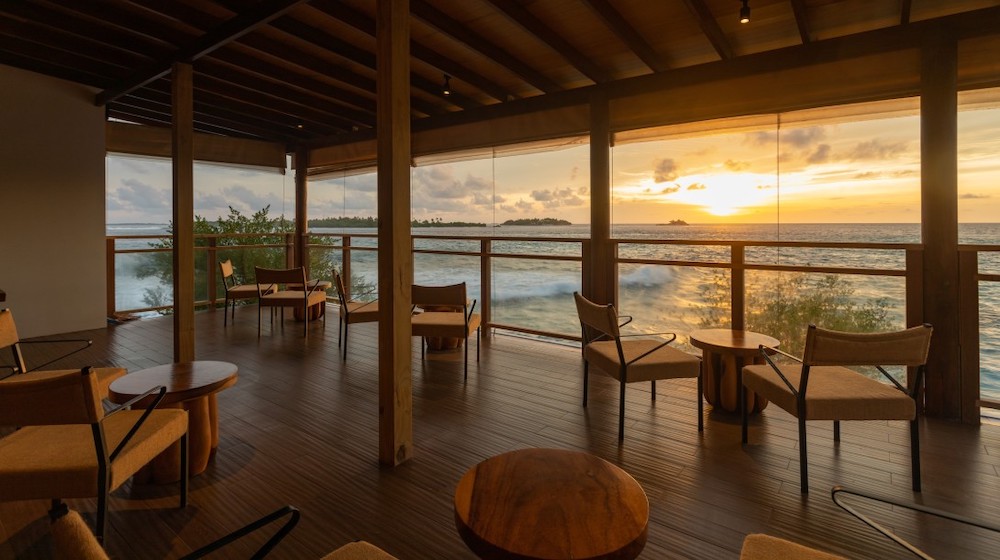
June brings more consistent winds, making it one of the best months for surfing in the Maldives.
Experienced surfers head to the central atolls in search of world-class waves, while divers continue to enjoy remarkable underwater experiences.
If you're someone who enjoys adventure over perfect weather, June is an exciting time to visit.
July: A Different Kind of Paradise
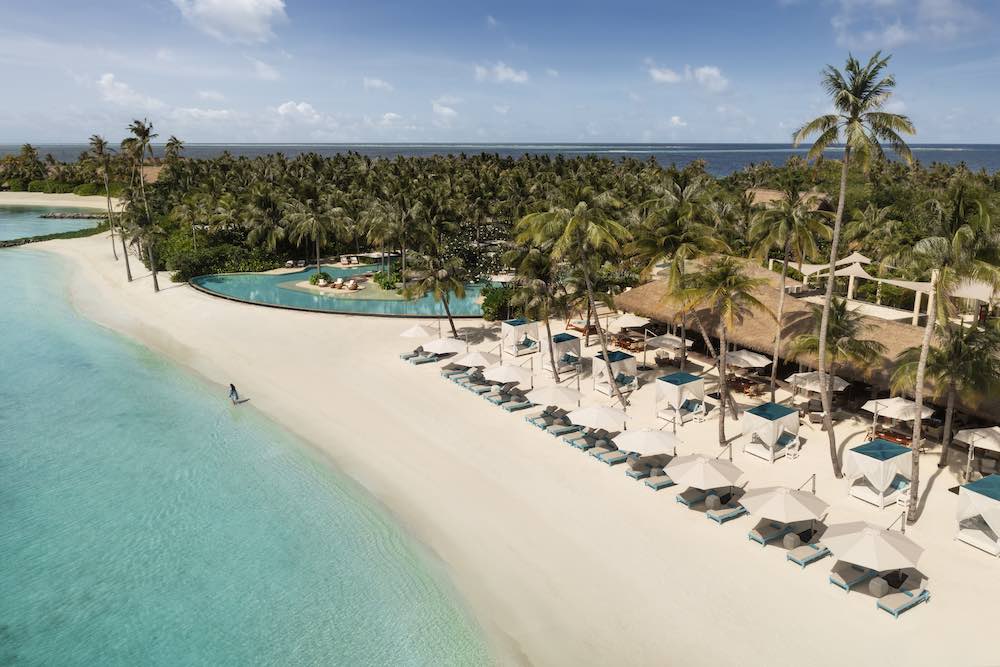
By July, the Maldives feels wonderfully peaceful.
While tropical showers remain possible, they're often balanced by long periods of sunshine. Resorts are generally quieter than during peak season, allowing visitors to enjoy a more intimate island experience.
For many travelers, this slower pace becomes one of the highlights of their holiday.
August: A Season of Incredible Marine Life
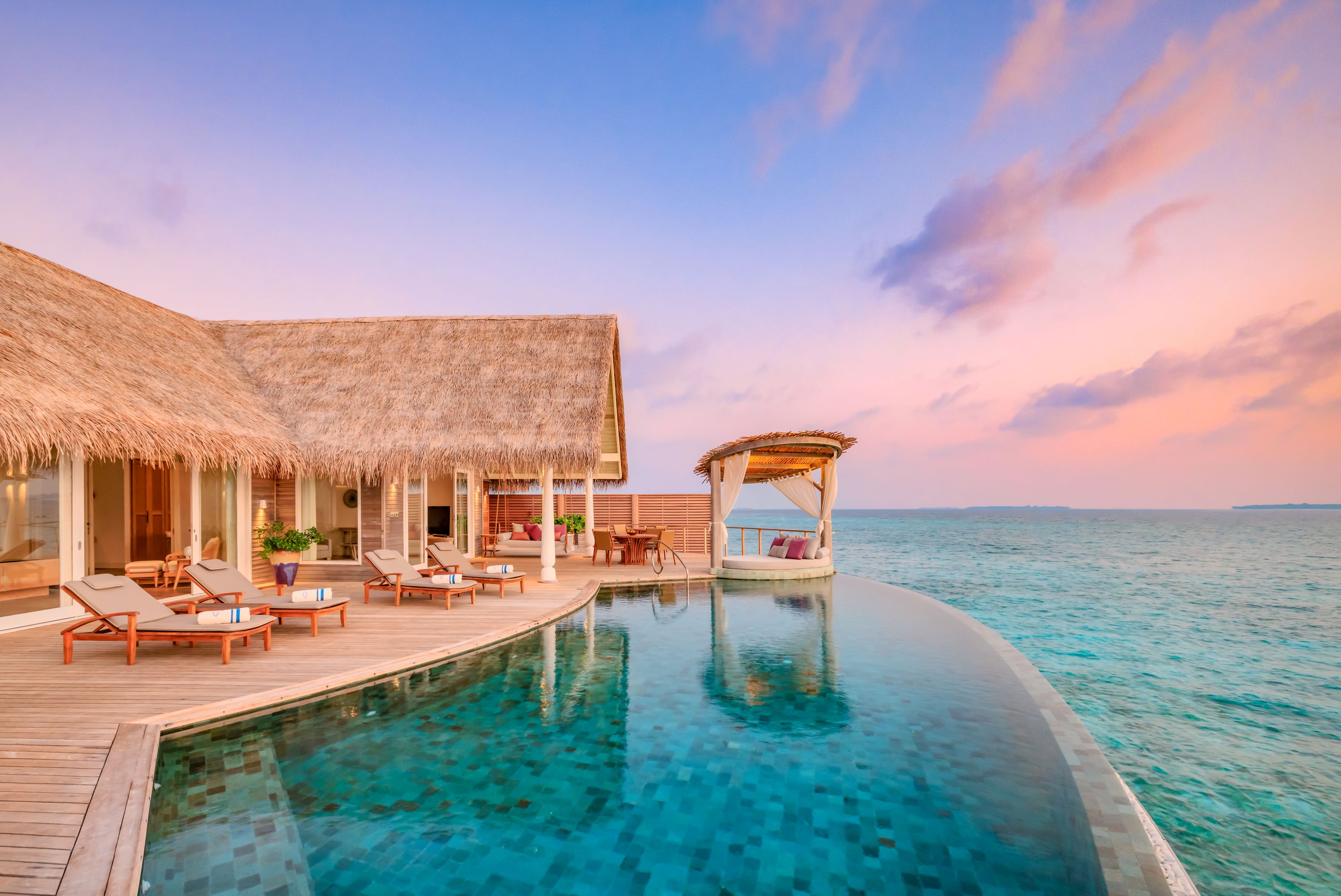
August is one of the most exciting months for ocean lovers.
This is one of the best times of year to encounter graceful manta rays and, in certain regions, gentle whale sharks.
These unforgettable encounters attract divers and snorkellers from around the world, proving that the Green Season has plenty of its own spectacular rewards.
September: Peace, Privacy, and Value
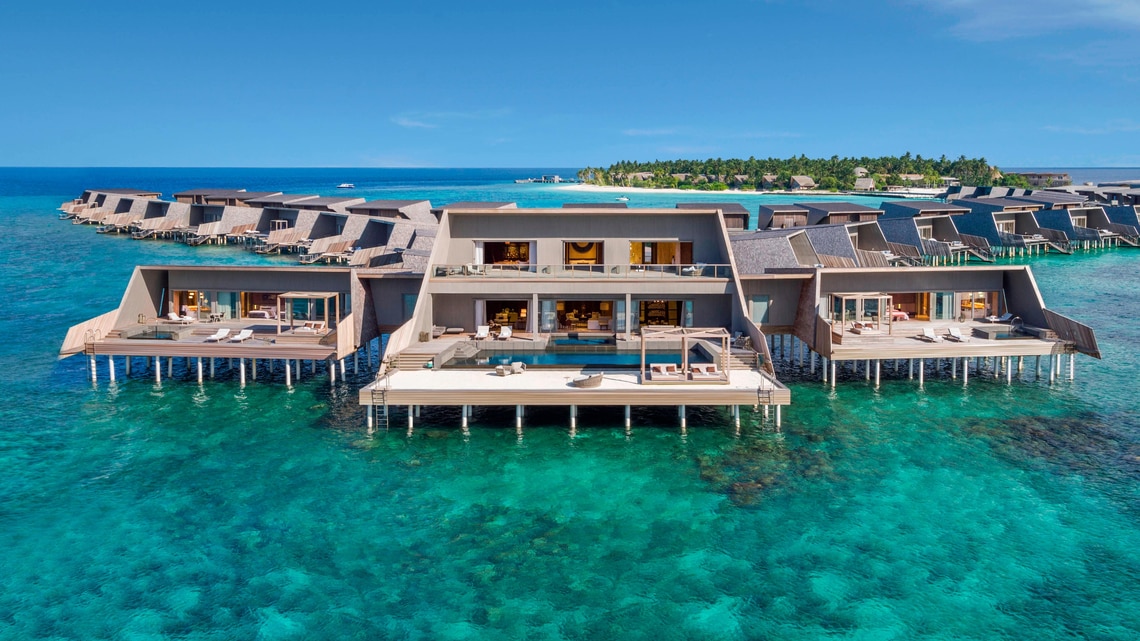
September is typically the wettest month of the year, but it's also among the quietest.
Travellers willing to embrace occasional tropical showers are often rewarded with some of the lowest resort rates available.
Beaches feel almost private, and the dramatic skies create breathtaking sunsets that photographers love.
October: The Hidden Gem
October quietly offers one of the best balances of weather, pricing, and visitor numbers.
Rainfall begins to decrease, sunshine becomes more frequent, and marine life remains abundant beneath the surface.
Many experienced visitors deliberately choose October because it combines excellent value with increasingly pleasant weather.
November: Paradise Returns
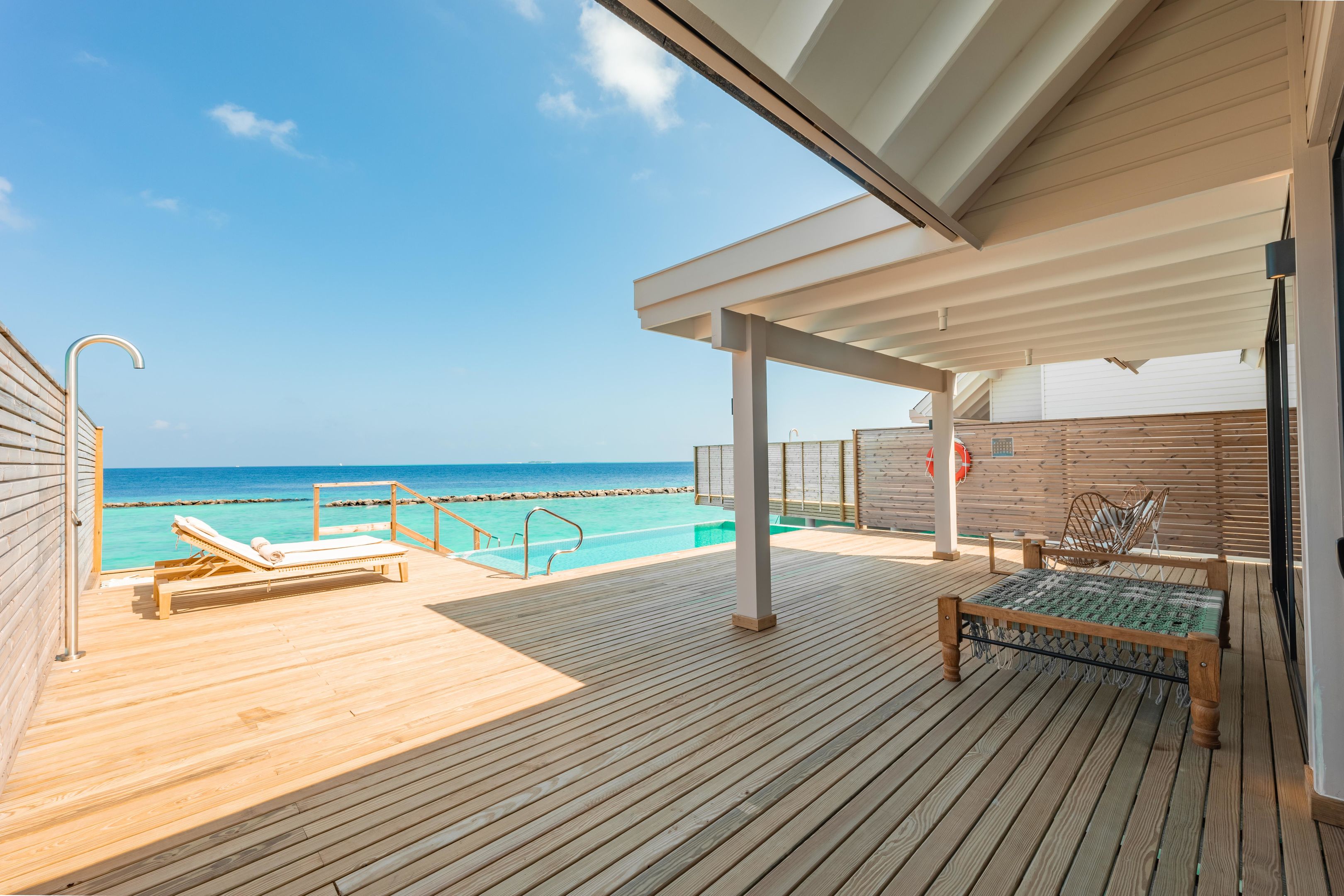
As the dry season officially returns, November marks the beginning of another beautiful chapter in the Maldives.
The seas become calmer, the skies clearer, and the islands once again shine under brilliant tropical sunshine.
It's an ideal month for honeymooners, couples, and anyone looking for a luxurious island escape before the festive season begins.
December: A Festive Escape Like No Other
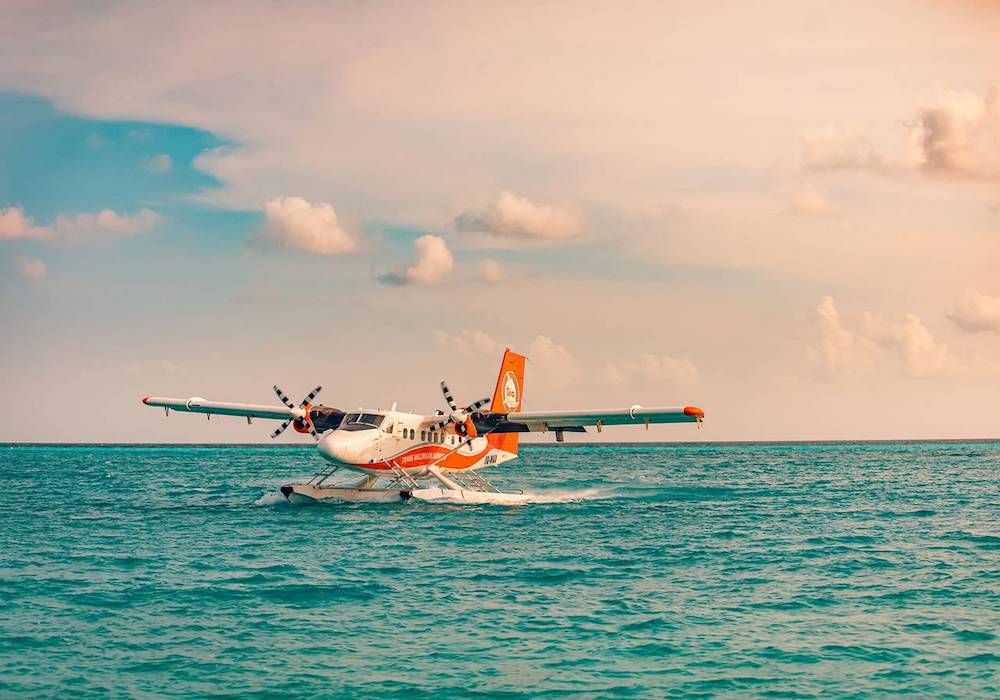
There's something magical about celebrating the holidays in the Maldives.
Imagine enjoying Christmas dinner beneath the stars, welcoming the New Year on a private beach, or watching Santa Claus arrive by speedboat.
December offers fantastic weather, vibrant resort celebrations, and unforgettable experiences—but it's also one of the busiest and most expensive months of the year, making early reservations essential.
Choosing the Best Time Based on Your Travel Style
Every traveller experiences the Maldives differently.
If your priority is endless sunshine and postcard-perfect beaches, January through March offer the most reliable weather.
If you're planning a honeymoon, the dry season from November to April provides romantic sunsets, calm lagoons, and luxurious conditions.
Divers searching for crystal-clear waters will enjoy the exceptional visibility found between January and April, while surfers should consider visiting between June and September, when the southwest monsoon creates consistent waves.
Travellers hoping to see manta rays and whale sharks should look towards August through November, when marine life activity reaches its peak.
Those seeking luxury at more affordable prices may find the Green Season, from May to October, surprisingly rewarding.
Is There Really a Bad Time to Visit the Maldives?
Perhaps the biggest misconception about the Maldives is that there is a "wrong" time to visit.
In reality, the islands remain warm and welcoming throughout the year.
The dry season offers endless sunshine and calm seas, while the Green Season delivers dramatic skies, fewer tourists, lower prices, and some of the best opportunities to encounter incredible marine life.
Rather than asking, "When is the best time to visit the Maldives?" the better question might be:
"What kind of Maldives experience am I looking for?"
Because whether you're sipping coffee on the deck of an overwater villa, snorkeling alongside sea turtles, or watching the sky turn shades of orange and pink over the Indian Ocean, the Maldives has a remarkable way of making every season feel unforgettable.
Written by
Resortlife Editorial
The editorial team at Resortlife Travel — a Maldives DMC since 2006, writing from Malé, Dubai, and the UK. Our guides are built on first-hand reporting, contracted-rate knowledge, and two decades of agent relationships.


