
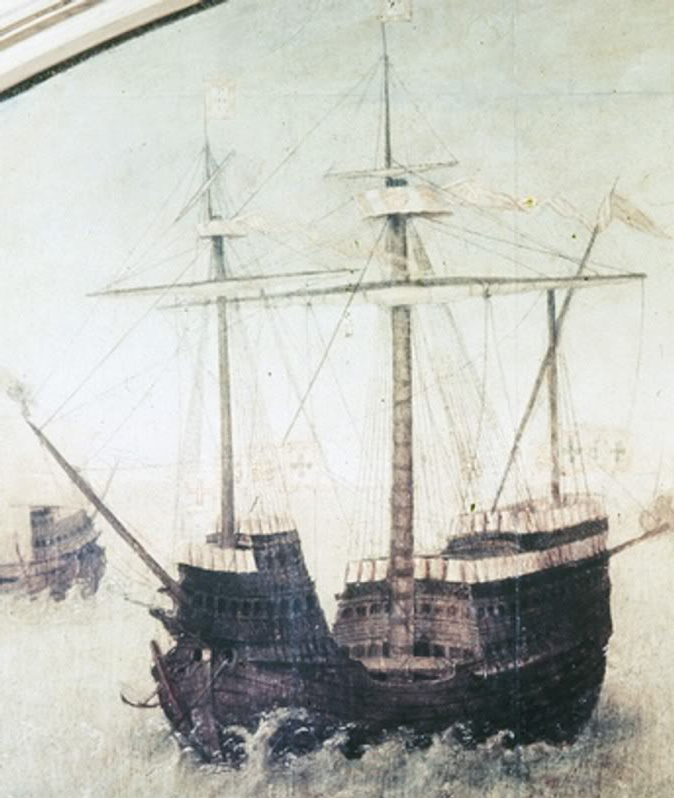
One night
undid fifteen years.
How three brothers from a small island in the north sailed a wooden boat called the Kalhuoffummi into Malé harbour — and ended the Portuguese occupation of the Maldives in the dark.
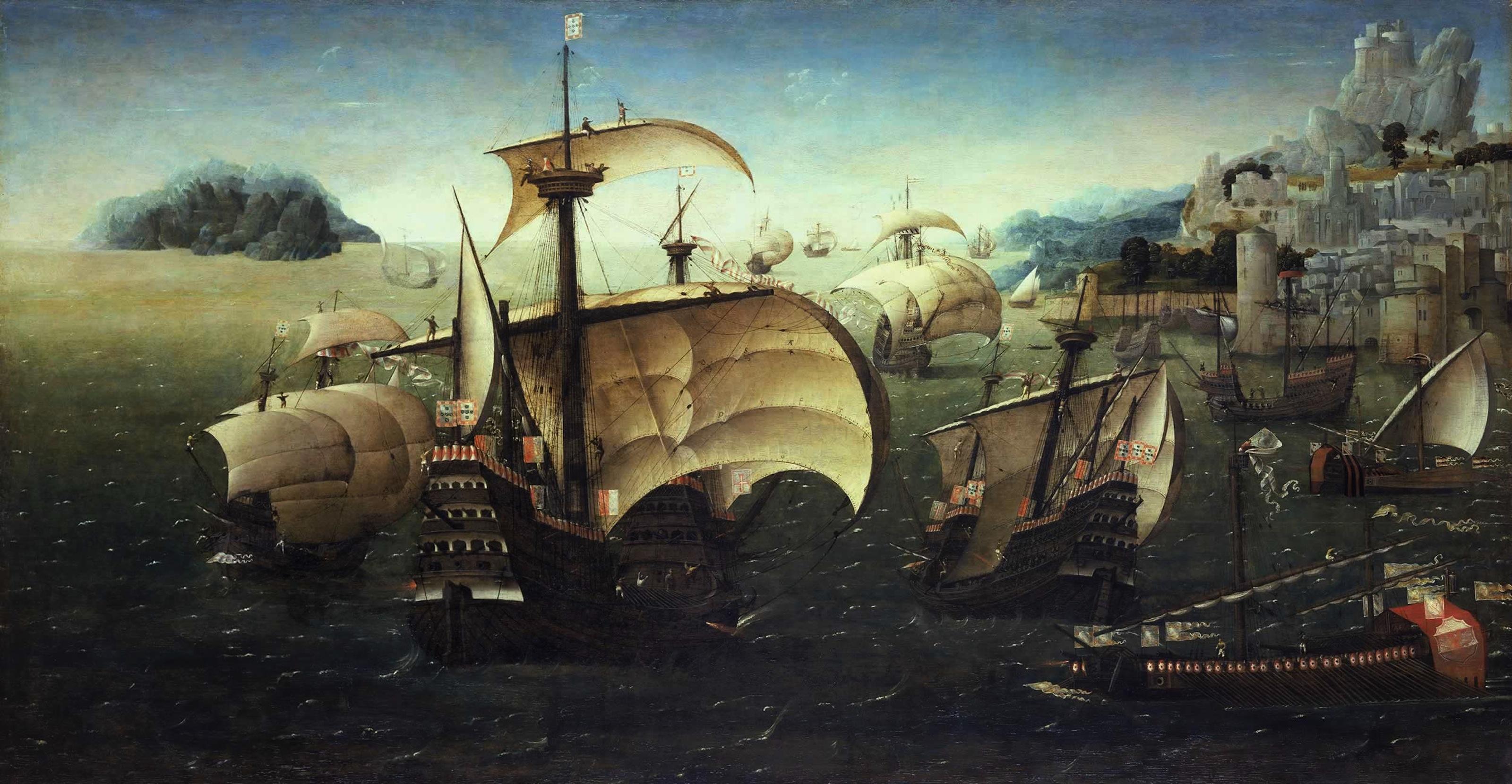
The occupation of Malé.
For fifteen years, Portugal holds the capital. A garrison sits in the fort. A governor collects cowries until the markets empty. Mosques are stripped of their lamps; some are pulled down. The royal family is dead, in exile, or in hiding.
The sultanate is a ghost. Elsewhere in the ocean, the Estado da Índia runs from Mozambique to Macau — Malé is a minor node on a map drawn in Lisbon, a refuelling stop on the Cape route.
Three brothers, one small island.
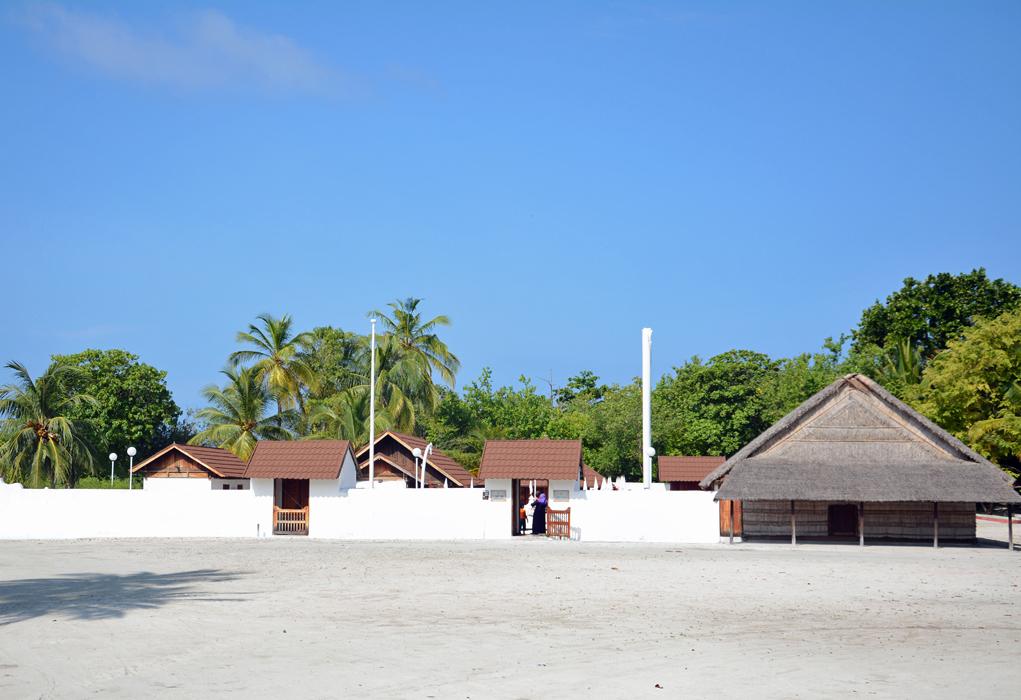
Far to the north, on a coral island called Utheemu, three brothers are quietly building a resistance. Muhammad Thakurufaanu Al-Azam. Ali Thakurufaanu. Hassan Thakurufaanu. Nobles by descent, commoners by circumstance.
Their instrument is a small wooden ship — the Kalhuoffummi — and a timber-and-coral house their father built in the 1560s. That house is still standing. It still points south, toward Malé.
Years of sailing in the dark.
For years, Muhammad Thakurufaanu sails the atolls clandestinely. He rallies chiefs in Raa and Baa, maps Portuguese watch-patterns in Malé harbour, counts sentries on the fort wall by moonlight.
He recruits a Yemeni religious scholar, Dandahelu Katheeb, as the spiritual leader of the resistance. The rebellion is a religious one as much as a political one: it seeks to put back what was pulled down.
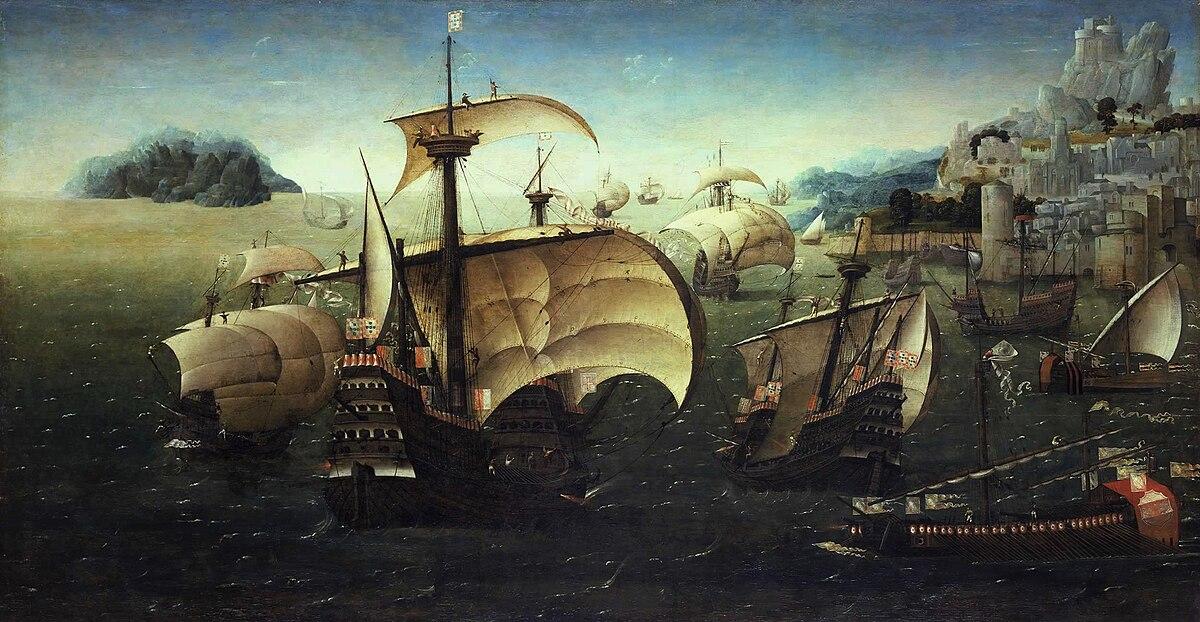
The Kalhuoffummi slips into the harbour.
On a night in Rabi-ul-Awwal of the Islamic year — the exact date is disputed, and Maldivian tradition has kept more than one version — the Kalhuoffummi runs silent past the reef. The ship hides behind a small island. Thakurufaanu and his men row ashore in the dark.
They come on the garrison in its sleep. The Portuguese captain dies in his bed. The fort is taken. The chronicles are careful about the tactical sequence — what they record is that by the time the muezzin could be heard, the occupation was over.
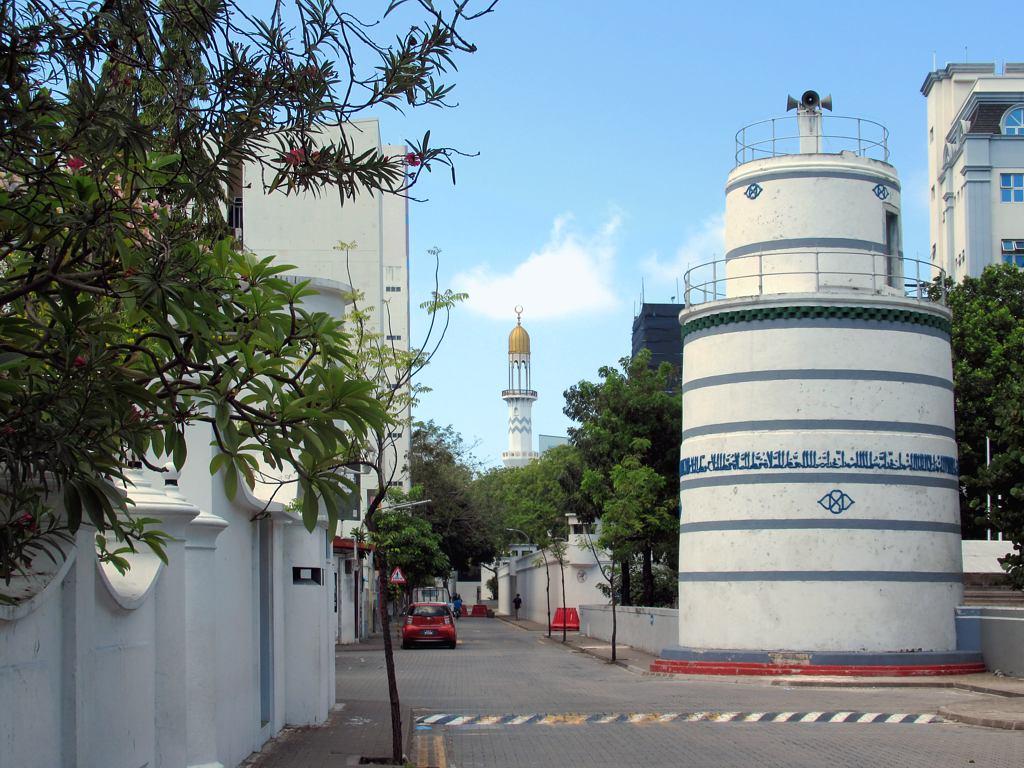
By morning, Malé is free.
Fifteen years of occupation end in a single night. The garrison is broken. The governor is dead. A cordon forms at the harbour mouth; nobody leaves.
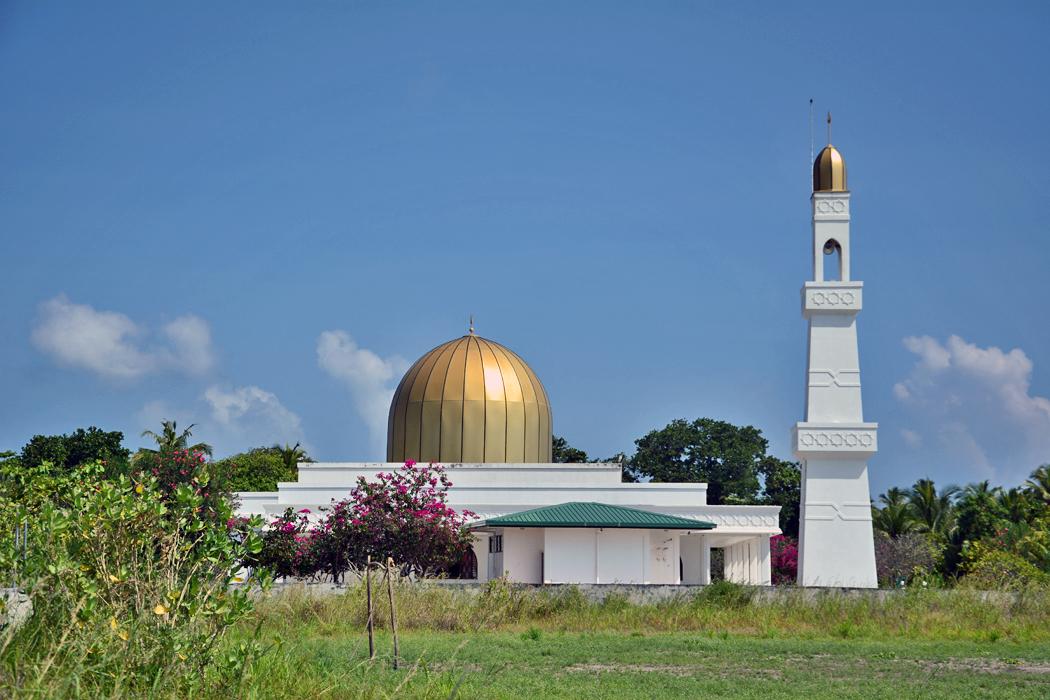
A generation later, on the ground Thakurufaanu reclaimed, a mosque is rebuilt in coral stone — Hukuru Miskiy, the Old Friday Mosque. It still stands. It is still in use.
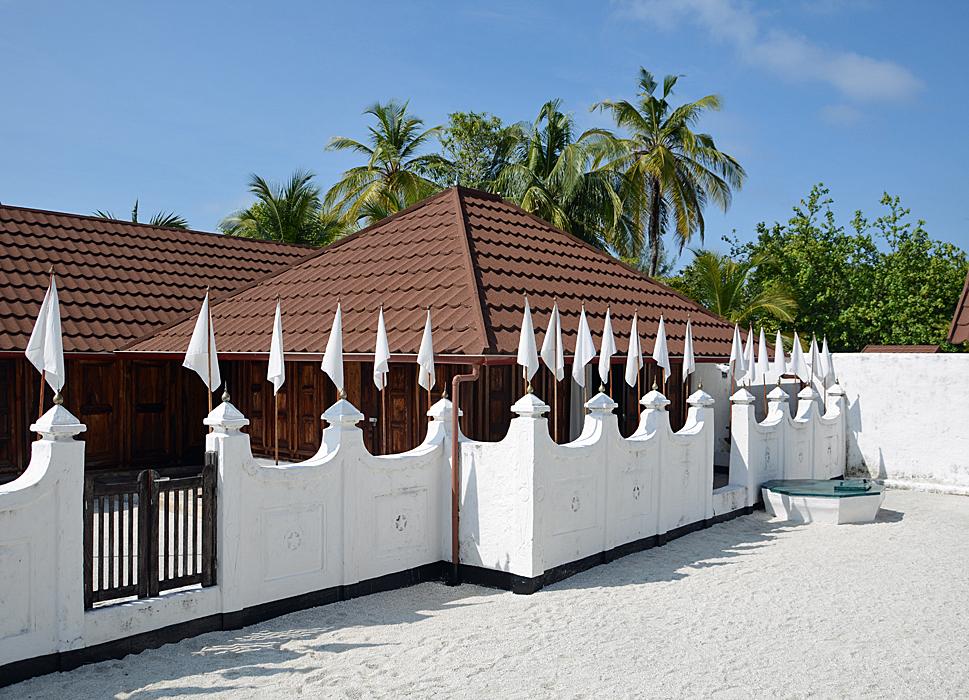
Sultan Ghazi Muhammad Bodu Thakurufaanu.
He is crowned. He takes the name Sultan Ghazi Muhammad Bodu Thakurufaanu Al-Azam — the Great. He founds the Utheemu dynasty, which will rule the Maldives for the next 120 years.
To this day, he is the single greatest national hero of the Maldives. His birthday — 1 Rabi-ul-Awwal — is a national holiday. The wooden palace on Utheemu, the one his father built, is a pilgrimage site. Inside: low doorways, lacquered chests, a swing for the chief's wife, and the domestic scale of a national founding.
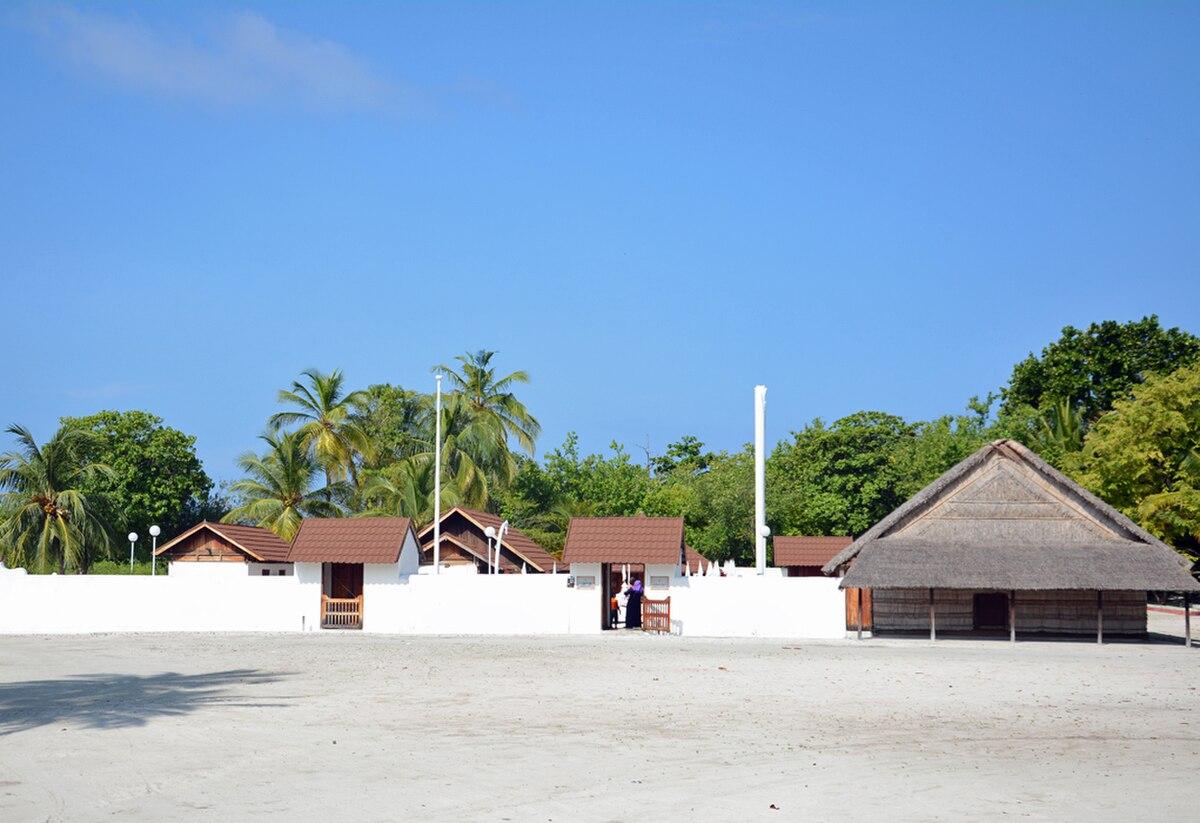
Never fully owned again.
The Maldives would, over the next four centuries, be protected, pressured, garrisoned and negotiated with. It would accept British protection and a Ceylon-based resident. It would host a Royal Air Force base on Gan.
But it would never again be owned by a foreign power. The lesson of one night in 1573 — that a small boat, a small island and a disciplined few can unmake an empire in the dark — runs as a private certainty through everything that follows.
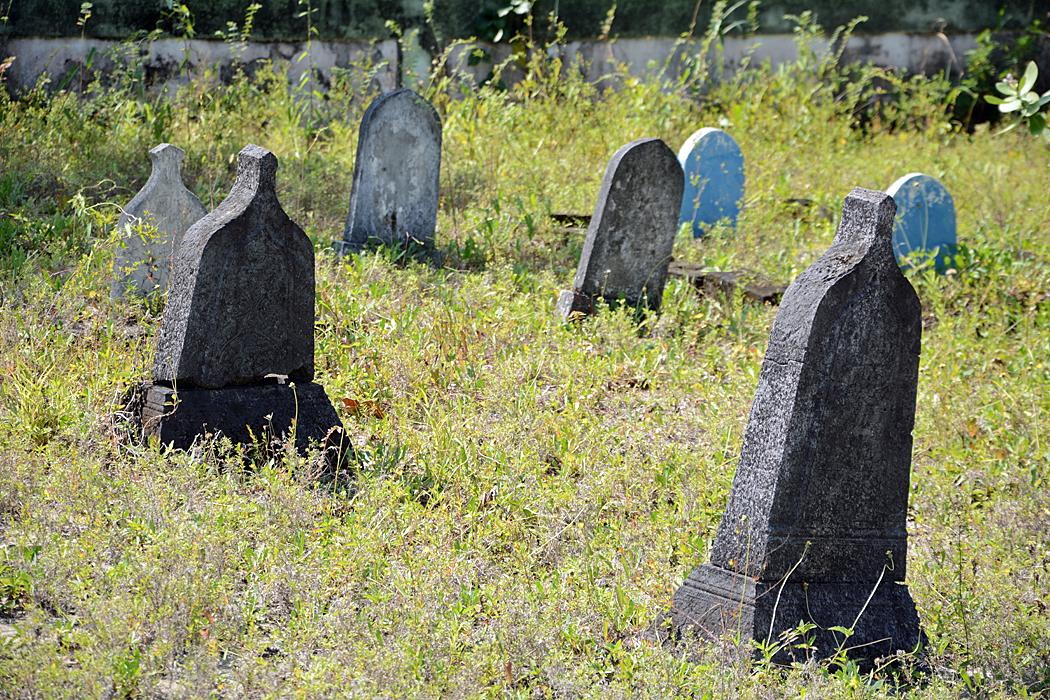
“Many of those who went with him on the raid never came back. Their names are on the stones at Utheemu.”
Return to the timeline