
The night the demon
fled.
How a travelling scholar, a Qur'an, and a single candle-lit night are said to have ended fourteen hundred years of Buddhism in the Maldives.
A kingdom held to ransom.
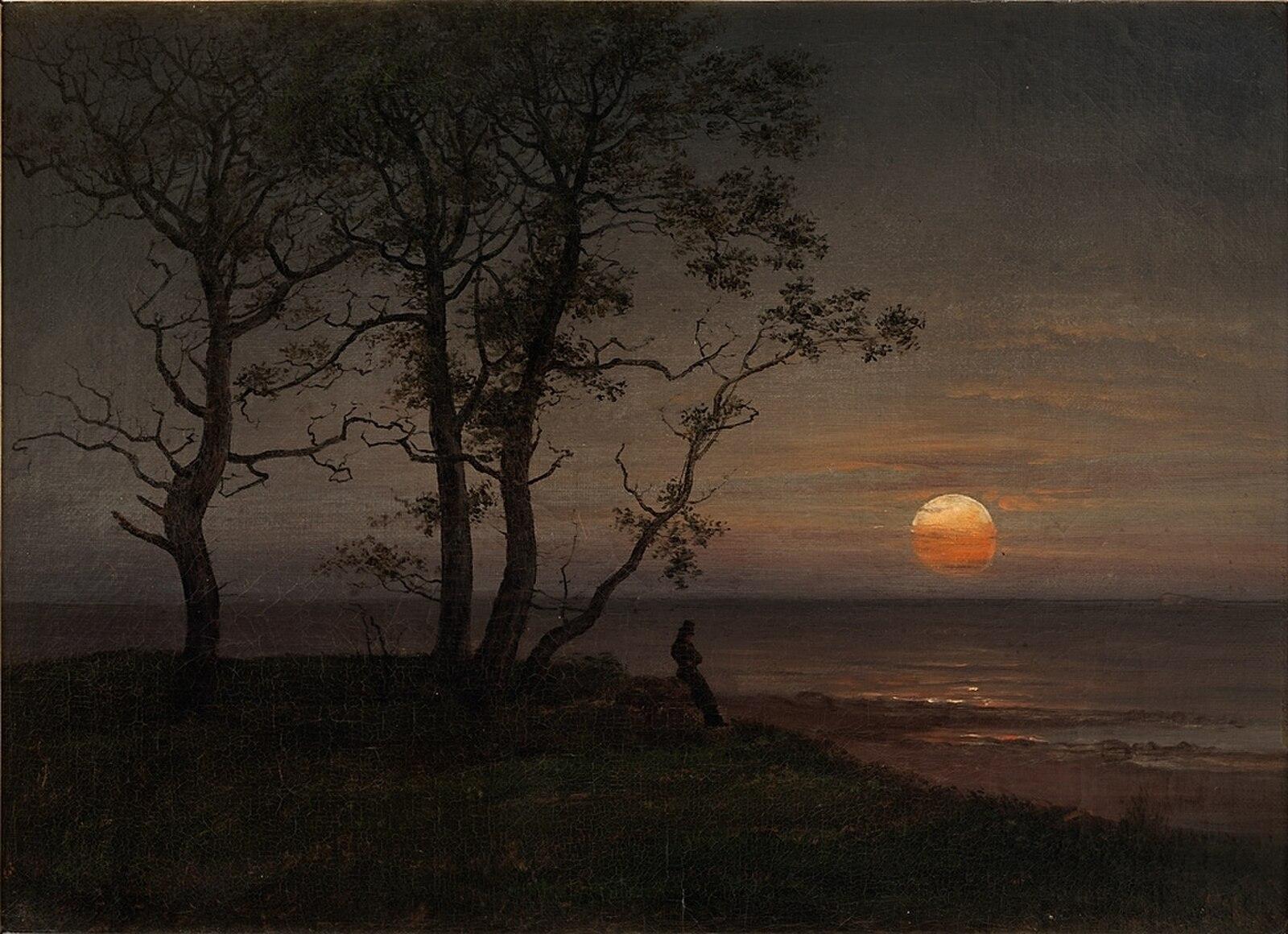
Tradition holds that the Maldives of the early twelfth century was, in one respect, a kingdom held to ransom. On the shore of Malé stood a temple. Every full moon, the story goes, a young woman was left inside it — dressed in white, alone, the door shut behind her.
By morning she was always dead. The people called the thing that killed her Rannamaari: a demon of the sea. The priests insisted the monthly offering was what kept the islands standing. Refuse it, and the whole archipelago would be dragged under. So the lots were drawn, and the lots were obeyed, and the grief cycled with the moon.
A scholar from the west.
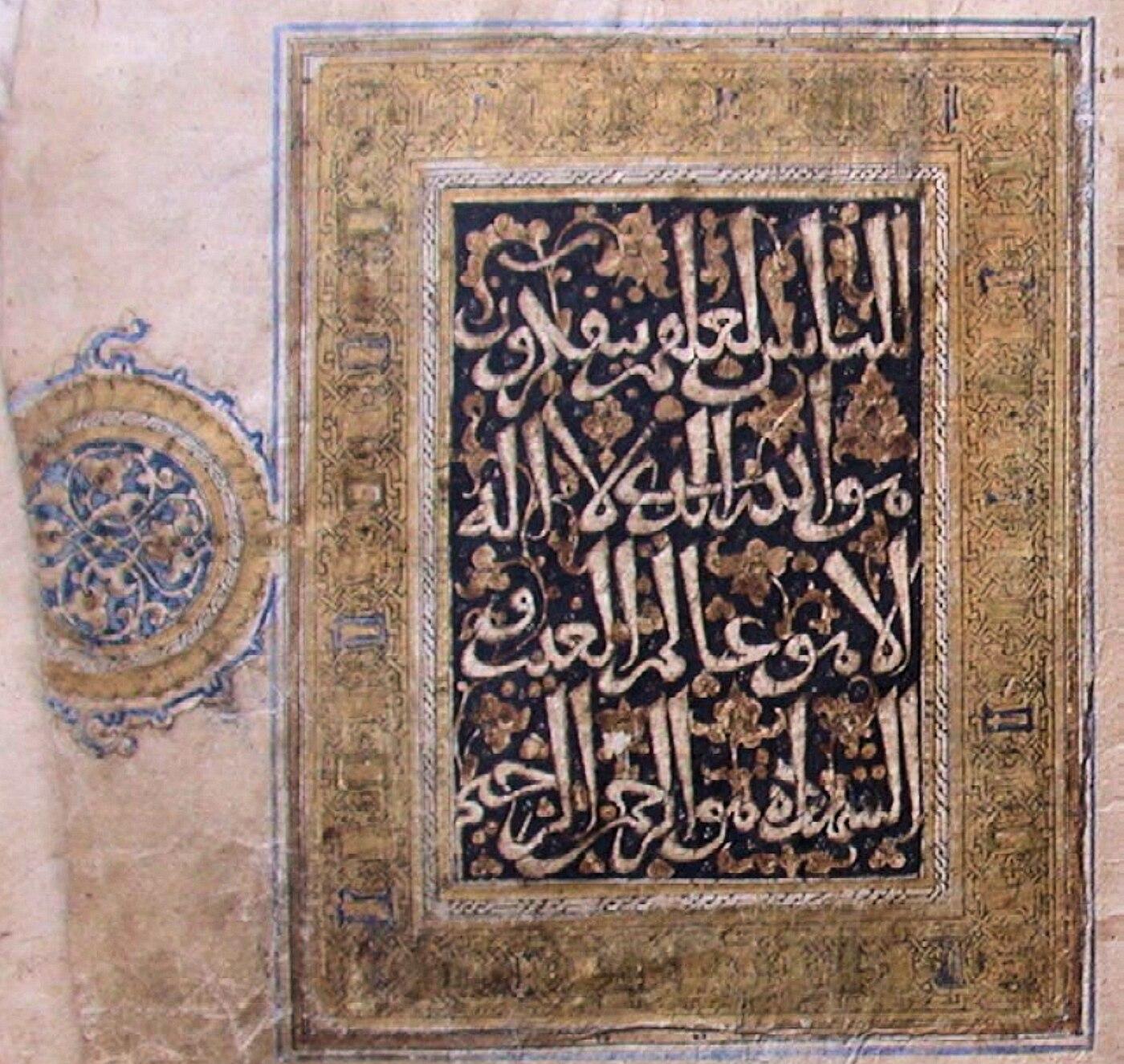
Into this ship comes a stranger. The chronicles call him Abu al-Barakat Yusuf al-Barbari — Father of Blessings, Joseph the Berberi. He has been travelling east a long time. He speaks Arabic. He carries a Qur'an.
Where he actually comes from, the sources cannot quite agree. Ibn Battuta, writing two centuries later, calls him a Moroccan. Other traditions place him in Tabriz. Others still read Berberi as Somali Berberi, from the Horn of Africa. What is not in dispute is that he is a scholar of Islam, and that he has reached Malé, and that he has heard about the thing in the temple.
He asks to take her place.
The full moon is close. The next girl has been chosen — tradition names her as the daughter of the household where al-Barakat is lodging. When she weeps, the scholar asks why. Her mother tells him.
He thinks about it overnight. The next day he goes before the king and asks, simply, to take her place. A man has never before offered himself to the temple. The king — Dhovemi Kalaminja, the last Buddhist king of the Maldives — is uncertain, then curious, then agrees. It is agreed that al-Barakat will wear the girl's clothes. That the door will be shut behind him as usual. That whatever happens, happens.
He sits, and he reads.
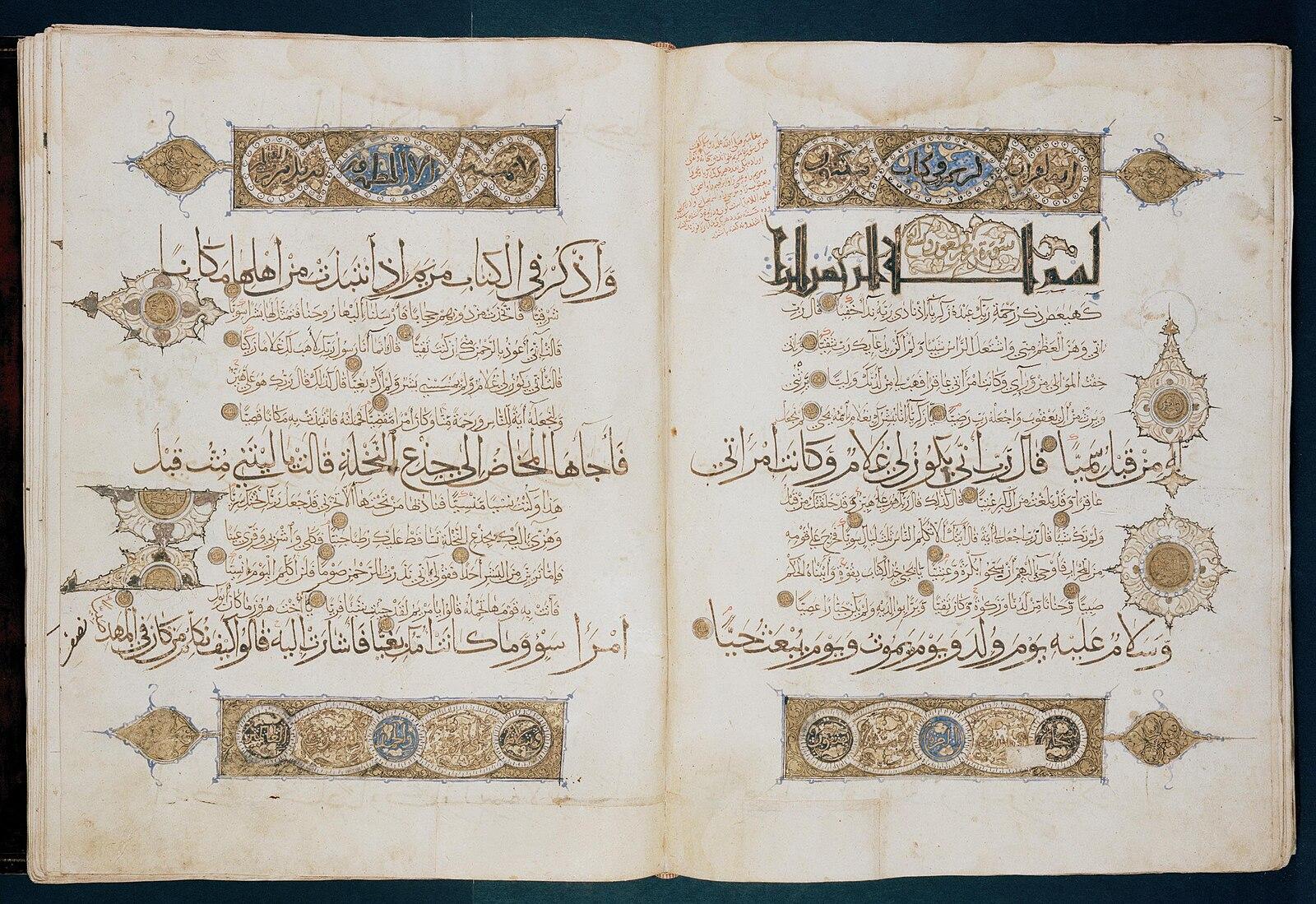
He enters the shrine at dusk. The villagers bolt the door behind him, as they always do, and walk back along the beach to their houses without speaking. A candle burns on a low table. He opens the Qur'an.
What the tradition preserves is the sound. All night, the people of Malé lie in their houses and listen to a man's voice reciting in Arabic, unwavering, carrying across the lagoon — surah after surah, until the tide turns and the birds begin and the first grey streak appears over the reef. The voice does not stop. And nothing else comes.
“The king, seeing that Abu al-Barakat had defeated the sea-demon through the word of God, converted on the spot, and his people followed him.”
They find him alive.
At first light the villagers unbolt the door. They are prepared, as they have always been prepared, for what they will find inside.
They find him alive. Seated. Still reading. The candle is burnt down to nothing and the Qur'an is open on his knees. Of the demon there is no sign — not a footprint, not a scale, nothing. The chronicle is brief and absolute on this point: Rannamaari has fled into the sea, and will not return.
Dhovemi takes the name Muhammad.
King Dhovemi hears the report the same morning. What happens next happens quickly. He converts to Islam that day. He takes the name Sultan Muhammad ibn Abdullah — in some sources, Muhammad al-‘Adil, Muhammad the Just. The line of kings he founds will rule the Maldives for the next eight hundred years.
Conversion of the islands themselves follows, though not all in a single day. The Loamaafaanu copperplates, issued barely forty years later, record royal decrees ordering the destruction of stupas and the punishment of Buddhist monks who refuse to convert. A kingdom of fourteen hundred years of Buddhism turns over in the space of two generations.
Coral mosques on temple ground.
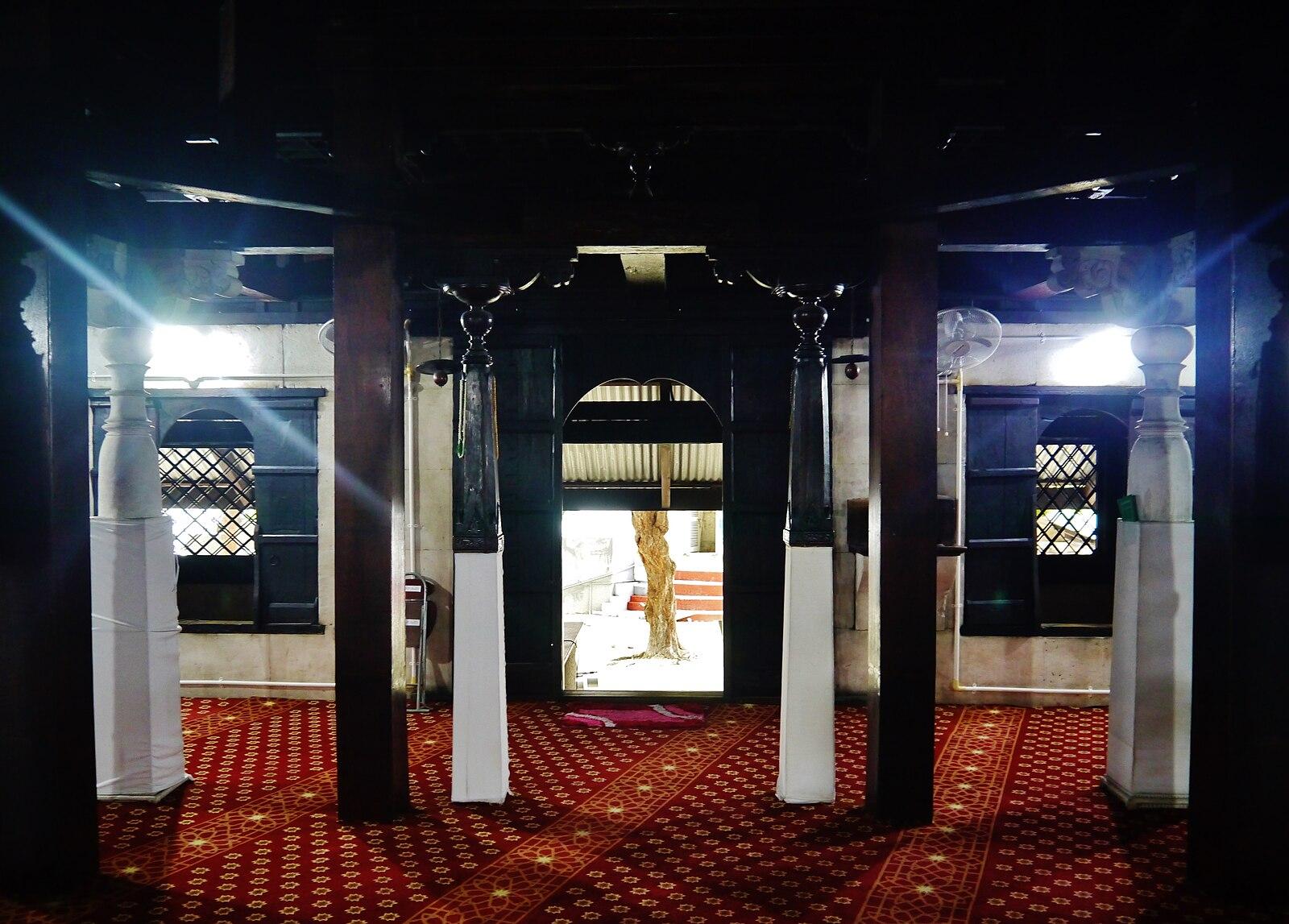
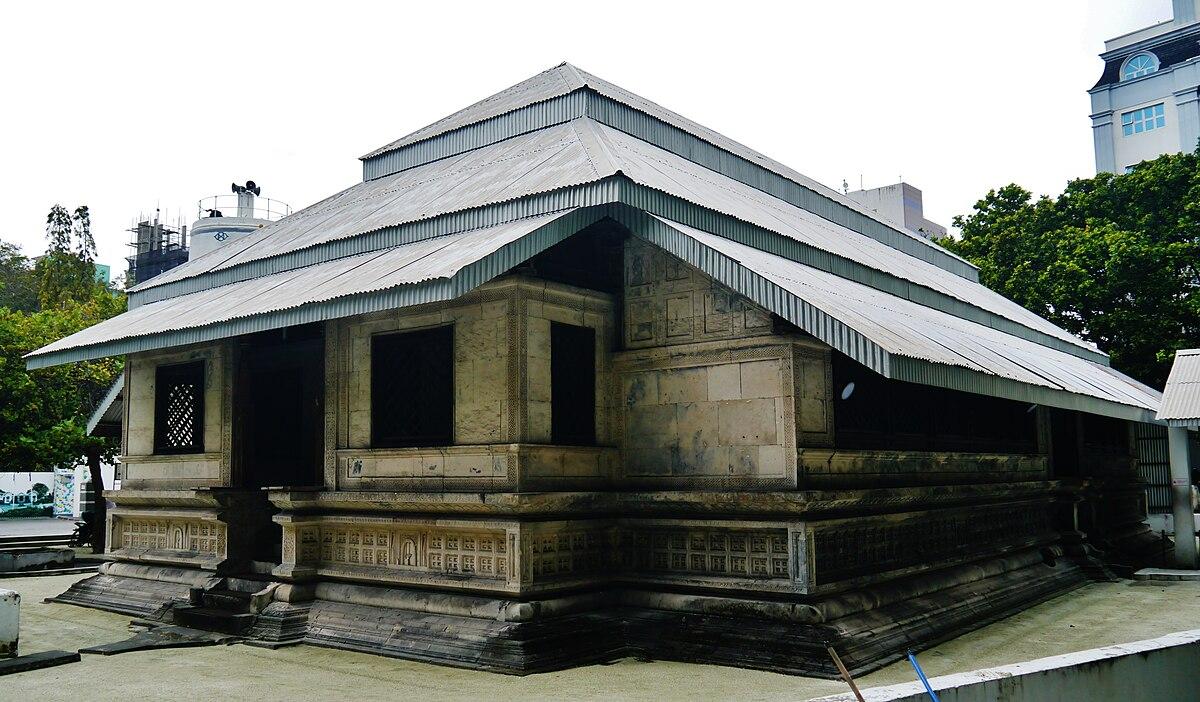
The Buddhist temples are torn down, or buried, or quietly built over. Coral-stone mosques rise on the same plots of ground — at Malé, at Hithadhoo, at Fua Mulaku. The Hukuru Miskiy, rebuilt in 1658 on the site of an older mosque on the site of a still older temple, still stands: its walls carved with interlocking Arabic calligraphy and Thaana script, a living record of the change.
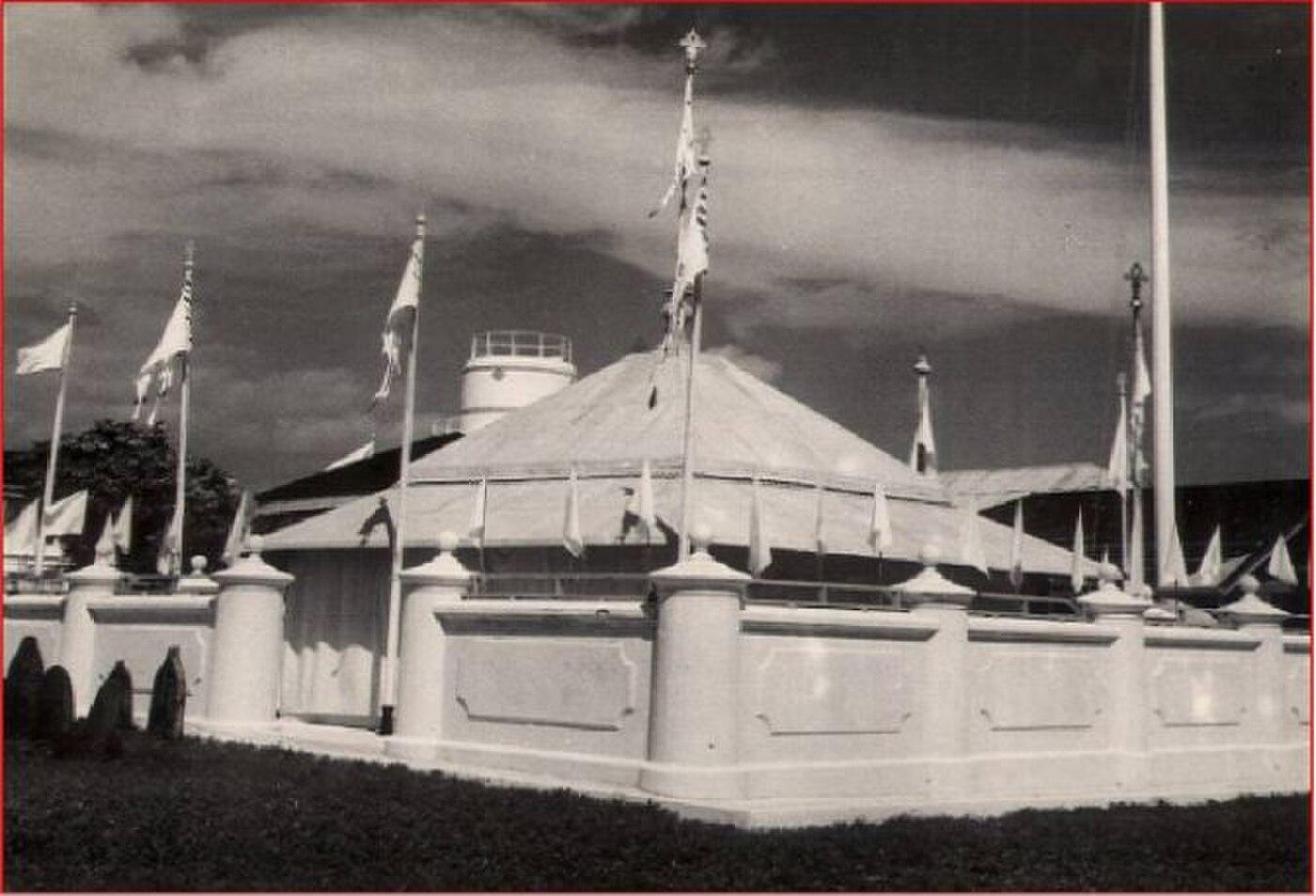
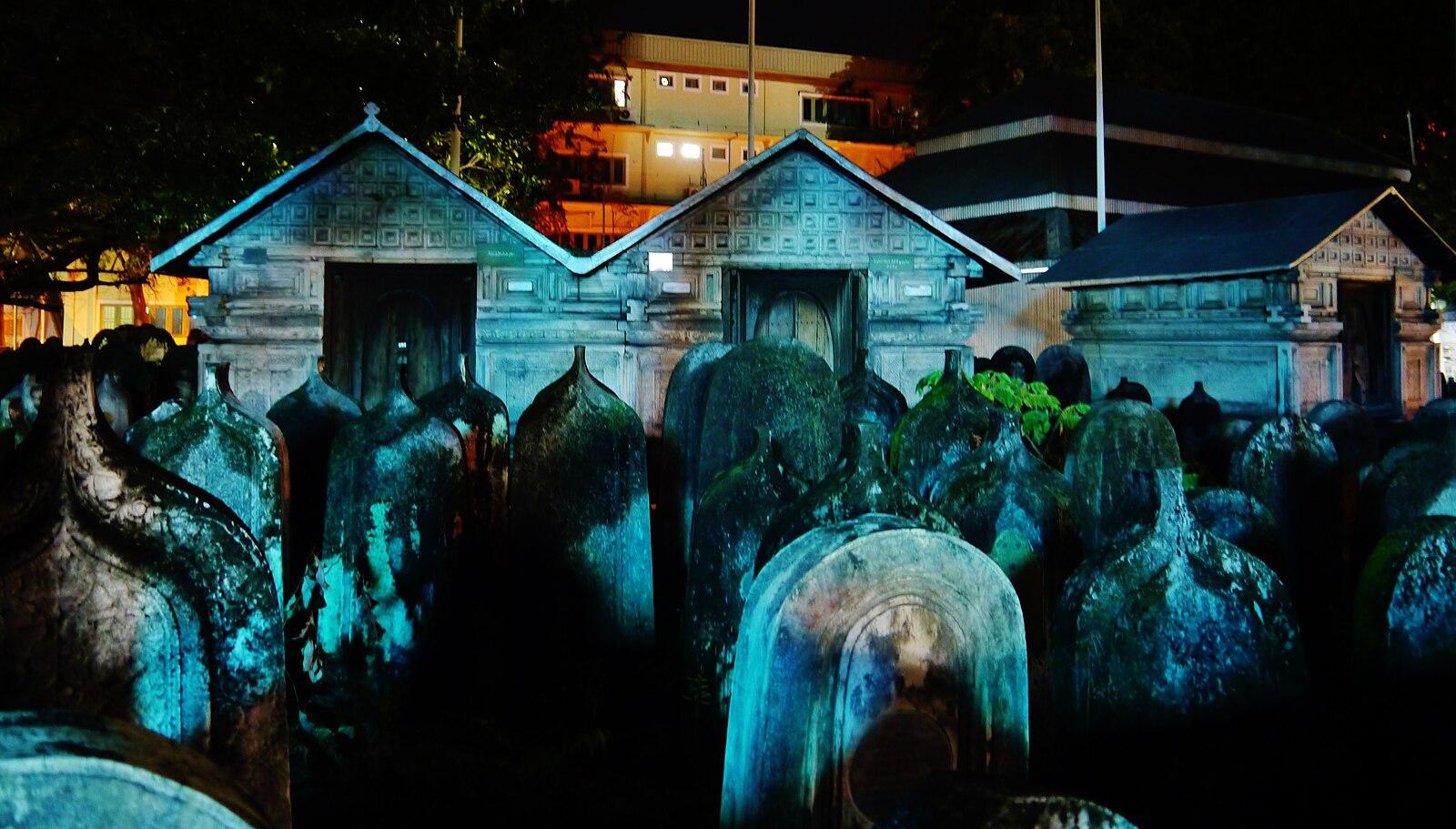
The reputed tomb of Abu al-Barakat lies opposite, inside the Medhu Ziyaaraiy shrine. Nine centuries on, it is still visited. The stranger who arrived with a Qur'an and asked to take a stranger's place is, for Maldivians, the man who began their history.
Where legend ends, record begins.
The conversion of the Maldives to Islam in 1153 CE is firmly historical. King Dhovemi's reign, his conversion, his assumption of the name Muhammad, and the founding of the Theemuge dynasty are all documented in the Loamaafaanu copperplates and later Arabic-Dhivehi chronicles.
The more cinematic details — the sea-demon Rannamaari, the monthly sacrifice, the night in the temple — belong to the folk tradition preserved in Maldivian oral history and repeated by Ibn Battuta after his visit in 1343. Modern scholars treat this layer as legendary: it almost certainly compresses a gradual, contested conversion into a single miraculous night. What is preserved, though — faithfully and for nine hundred years — is the Maldivian memory of how it felt. That is worth something too.